RuneScape devs apologize for Gen AI promise after trailer
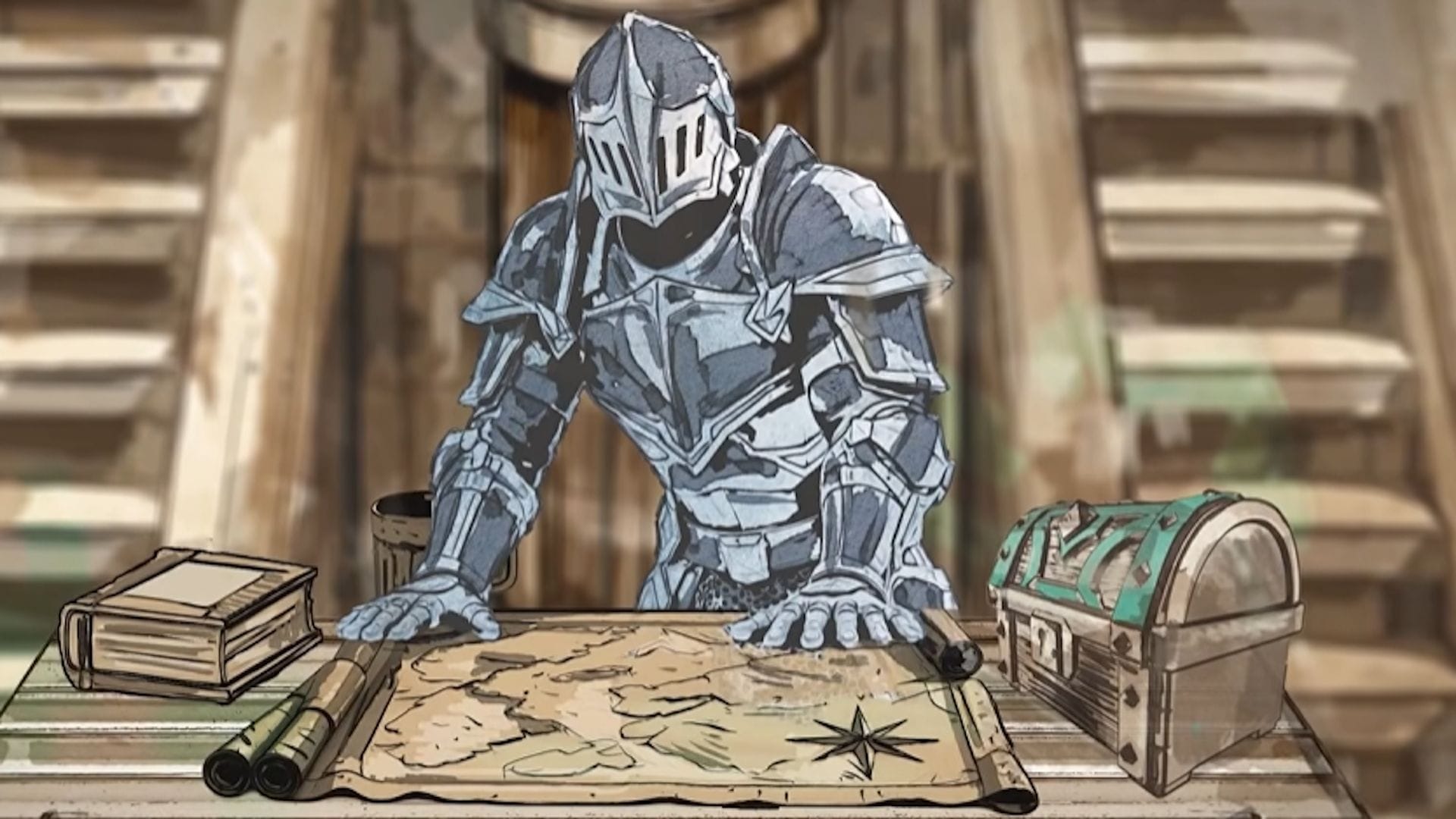
In the world of classic MMOs, where lore is often etched in stone and history is woven in code, the recent controversy surrounding RuneScape’s future has revealed a surprising and often hilarious collision between nostalgic tradition and cutting-edge artificial intelligence. The trouble began when Jagex, the developer, had to hastily pull a trailer for the highly anticipated Dragon Slayer 2 quest after players spotted some truly uncanny artistic glitches.
What was unveiled was far from the expected medieval knight. Instead, the promotional material featured a character sporting a sixth finger, inexplicably equipped with steel-plated tennis shoes, and other visual anomalies that loudly screamed of generative AI intervention. The immediate reaction from the community was a mixture of disbelief and annoyance—a clear indication that even in the realm of old-school gaming, the integrity of the content is paramount.
When the visual evidence surfaced, the response from Jagex was predictably swift, if somewhat clumsy. Moderator Sween confirmed that the trailer was not created by the developers, but rather by a “trusted external partner” whose work had clearly slipped through internal quality control. This admission underscored a significant internal oversight regarding how advanced AI tools were integrated into the marketing pipeline.
This situation highlights a broader tension within the gaming industry: the promise of AI-driven creation versus the demand for authentic, human-crafted content. Jagex’s product SVP had previously issued a firm commitment, assuring fans that the company would maintain a “hard line stance” against using generative AI in any asset that players could see, hear, or feel. Yet, the reality of the Dragon Slayer 2 trailer suggested that trust, even with external partners, had been misplaced.
The fallout from this incident echoed previous industry hiccups. Just recently, the esports giant 100 Thieves faced similar scrutiny after an OSRS collaboration yielded designs that were clearly the result of AI, leading to public backlash. This pattern suggests that the integration of AI into content creation remains a thorny issue, especially when those tools are used to generate marketing materials or artistic assets.
Acknowledging the severity of the situation, Jagex has taken immediate steps to rectify the oversight. Following the RuneFest event, the company announced a comprehensive overhaul of its review processes. They are committed to working directly with and commissioning community creators to ensure that future updates, such as the Dragon Slayer II story, are told to the standard that the fanbase rightly expects.
As Jagex continues to build its future, including the highly anticipated next-generation MMO dubbed RuneScape 4, this incident serves as a potent reminder that while technology offers incredible creative potential, the foundation of any successful gaming experience must remain rooted in artistic integrity and transparent development practices. The lesson, it seems, is that no matter how powerful the tools become, the quality of the content is ultimately what matters most to the players.
Buy on Amazon
Credit
