San Andreas pushed GTA energy making it darker
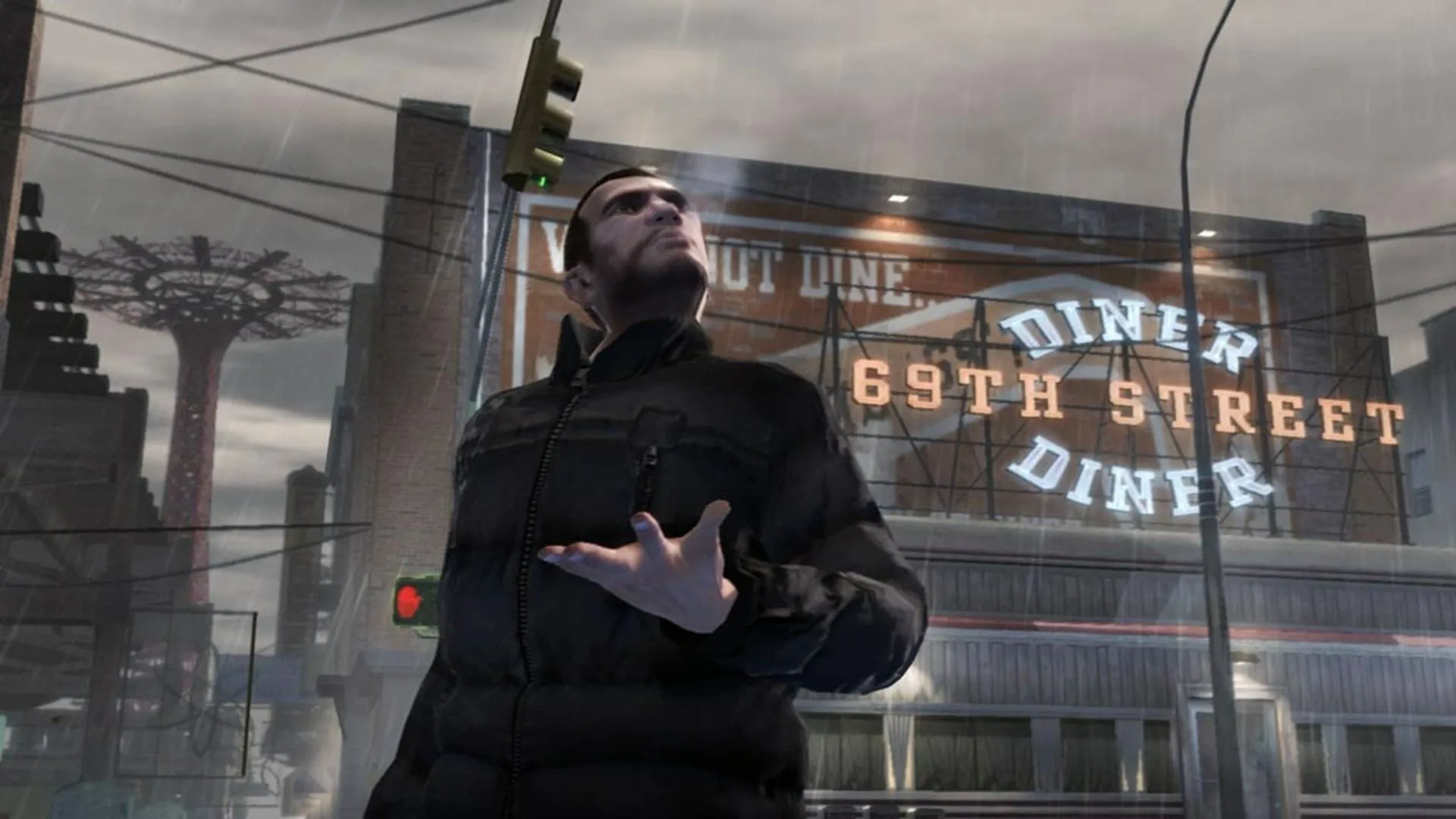
When the Grand Theft Auto saga evolved from a high-octane phenomenon into a critically acclaimed, moodier experience, it sparked a fascinating discussion about creative risk and evolution. Dan Houser, a key creative force behind the series, reflects on how the franchise navigated this shift, arguing that reinvention was not just an option, but a necessity for survival.
In the era of the Xbox 360 and PS3, the trilogy of GTA 3, Vice City, and San Andreas had established an undeniable pop energy, capturing millions and cementing the games as cultural touchstones. San Andreas, in particular, felt like the natural peak of that momentum. However, Houser suggests that for the franchise to remain relevant and avoid stagnation, a change was required.
“There was a belief that San Andreas had taken that kind of ‘pop’ energy as far as it could go,” Houser explained. He posited that if Rockstar Games wanted to maintain its position at the forefront of gaming, they needed to reinvent themselves to keep pace with changing tastes.
This need for evolution led to the release of GTA 4, a game that introduced a significantly darker, more realistic world. Instead of maintaining the high-energy façade of its predecessors, GTA 4 adopted a somber tone, characterized by moody lighting and a more grounded approach to storytelling.
While some observers might have questioned this shift given the immense success of the earlier titles, Houser notes that this change ultimately led to a surprising artistic success. He points out that the darker direction allowed the creative elements—the art direction, the mission design, and the overall atmosphere—to achieve a level of tonal consistency that had been absent in previous installments.
This newfound consistency, even if it carried inherent risk, provided a cohesive experience that felt genuinely mature. Houser suggests that this tonal consistency was a key achievement, demonstrating that the risk of reinvention paid off handsomely.
Looking back at the journey, the evolution continued with GTA 5, which embraced a lighter, more playful tone, proving itself an enormous commercial juggernaut. Yet, Houser suggests that the darker tones established in the middle era may have served as a crucial precursor, influencing later Rockstar titles such as Red Dead Redemption.
Ultimately, the story of the GTA series is a testament to the power of creative risk. By embracing change and allowing the art and mood to deepen, Rockstar Games ensured that the franchise not only survived but expanded its narrative and artistic influence across generations.
Buy on Amazon
Credit