Sapkowski talks Witcher books and future adaptations
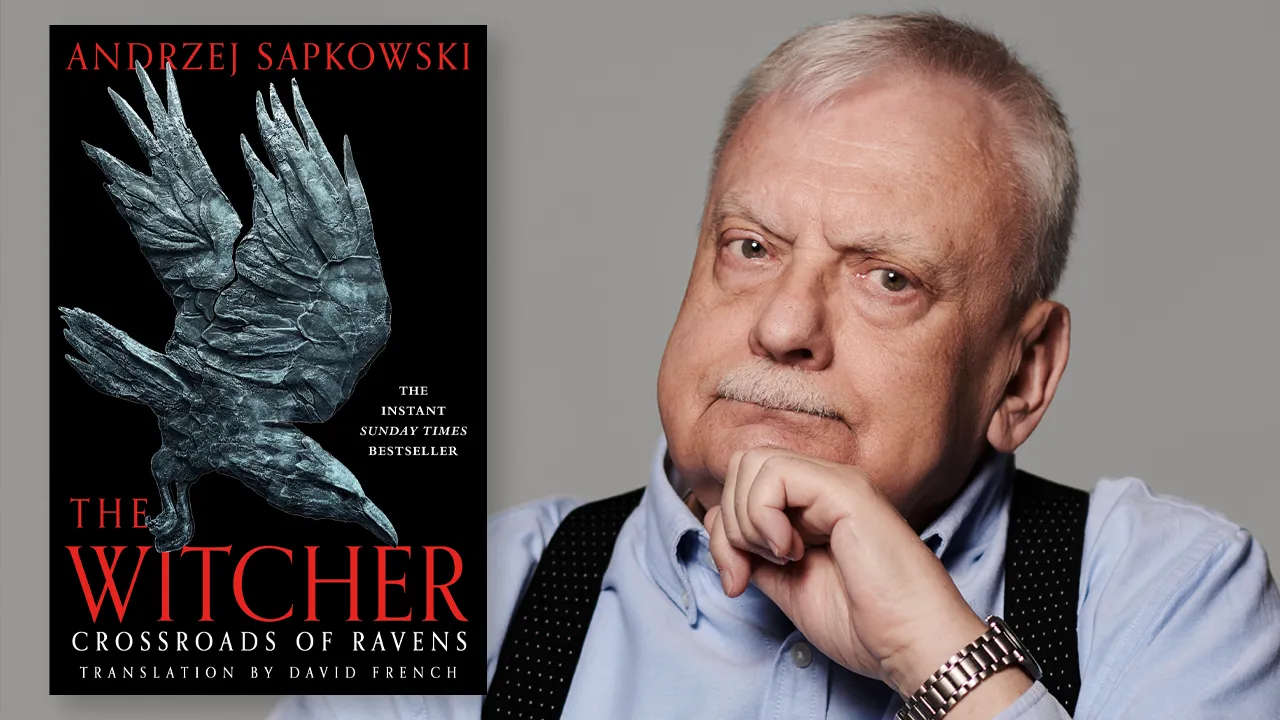
Geralt’s Journey: Unpacking the Brilliant World of The Witcher
The wait is finally over for fans of the Witcher universe. The latest novel, Crossroads of Ravens, has landed in English, offering a fresh, immersive look at Geralt of Rivia’s earliest days as a monster hunter. It’s more than just a story; it’s a deep dive into the origins of one of fantasy’s most iconic figures.
To truly appreciate the scope of this prequel, it was fascinating to hear directly from creator Andrzej Sapkowski and his English translator, David French, about the journey of Geralt and the craft of storytelling itself. Their conversation delved into the complex tapestry of Geralt’s development, the challenges of translating cultural nuances, and what it takes to craft a truly resonant narrative.
One of the most compelling aspects of the discussion was exploring Geralt’s formative years. Sapkowski shared that stepping into the role of an eighteen-year-old teenager presented both rewarding and challenging literary exercises. While Geralt is often portrayed as a near-infallible ‘superman,’ the author deliberately introduced him with fallibilities and imperfections, allowing him to experience the classic rite of passage of development, mental and moral growth. This shift from a supposedly perfect figure to a character grappling with real-world lessons was a key narrative choice.
When discussing the differences between Geralt’s younger, inexperienced self and his older, hardened self, Sapkowski highlighted the importance of experience and overcoming obstacles. He compared the structure of a novel to a plane—a relationship between Point A and Point B—whereas short stories offer a straight line. This distinction highlights how a full-length novel demands a different narrative engine than a collection of short tales.
The dynamic between Geralt and his mentor, Preston Holt, was another focal point. While Holt functioned as a classic surrogate father figure, Sapkowski acknowledged that Holt was a deceitful mentor, contrasting him with revered figures like Gandalf or Vesemir. This exploration touches upon the universal themes found in coming-of-age stories, where mentors guide characters through their essential transformations.
The process of translation also proved to be a rich area of discussion. David French revealed that translating Sapkowski’s prose involves more than just linguistic transposition; it requires an acute ear for the rhythm, dry wit, and sometimes even the subtle vulgarity and slapstick that characterize Polish dialogue. Preserving the author’s “linguistic snobbery” and ensuring the emotional experience remains intact for English readers proved to be the central challenge.
Ultimately, the enduring appeal of the Witcher franchise lies in its ability to transcend medium. Whether readers are engaging with the novels, the video games, the television adaptations, or the comics, Geralt resonates deeply. The character’s magnetism stems not just from the plot, but from the unique voice, the complex morality, and the sheer capacity to evolve across any format.
The series continues to expand, with new developments in games, comics, and media, proving that the world of The Witcher remains vibrant and ready for new explorations. For readers looking for similar, captivating fantasy adventures, recommendations range from Witcher-adjacent works to other masterpieces in the genre.
Buy on Amazon
Credit