See the action and visuals in The Witcher 3 Remastered Update
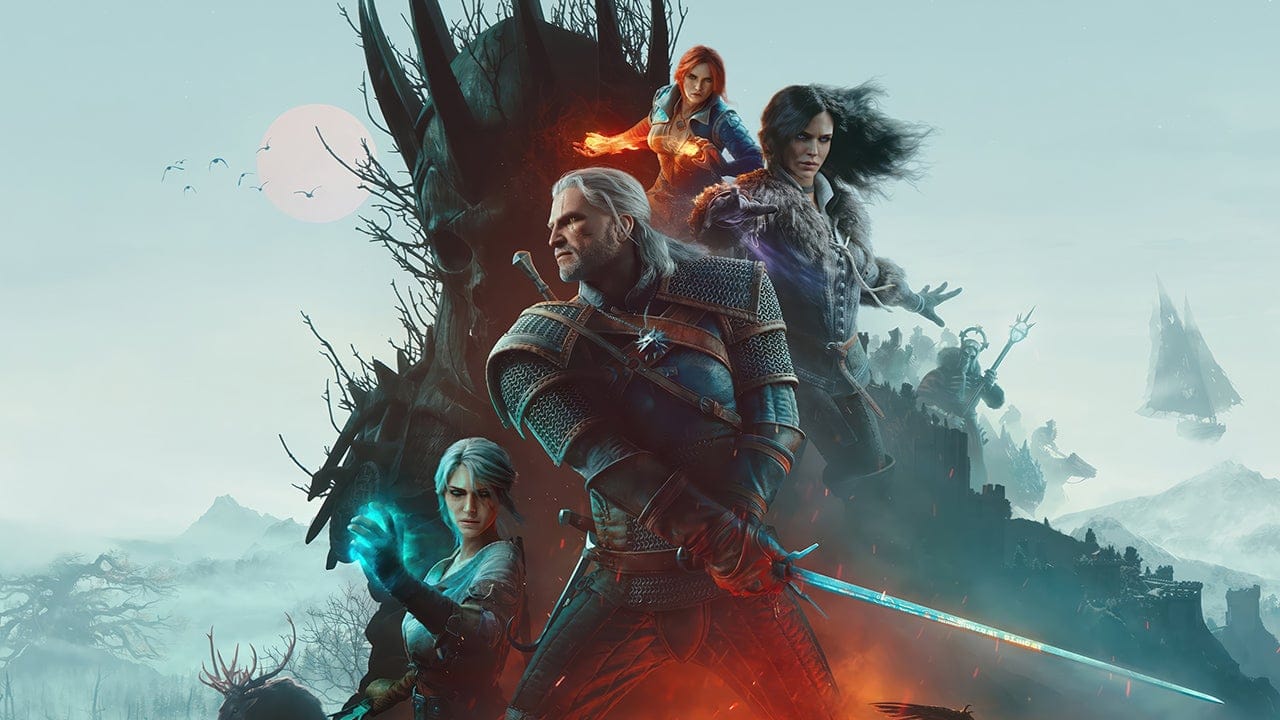
When a classic masterpiece receives a major overhaul, the expectations are sky-high. For long-time fans, The Witcher 3: Wild Hunt Remastered isn’t just a visual polish; it feels like a necessary and long-overdue correction, transforming a beloved adventure into an even more engaging experience.
The most noticeable leap in quality comes from the core gameplay mechanics. Historically, combat in the original game often felt sluggish and frustrating, with enemies demanding passive waiting. The remaster addresses this by making Geralt’s attacks snappier and giving enemies more intelligent, dynamic behaviors. Instead of static foes, enemies now actively retreat, evade, and utilize clever counterattacks, making every sword fight feel like an actual engagement rather than a chore.
Camera control and lock-on functionality also received significant refinement. This system is now far more intuitive, allowing players to manage large groups of enemies effortlessly without the camera losing focus. This shift makes navigating complex skirmishes smoother and puts the focus squarely on the action, rather than the mechanics.
Beyond combat, the sense of movement has been radically overhauled. Geralt now moves with newfound agility, effortlessly traversing landscapes and vertical obstacles that once required careful navigation. This improvement means the world feels more open and responsive, eliminating the tedious frustrations of slow animations and rigid movement that once weighed down the experience.
The companion, Roach, has also shed her frustrating reputation. Her controls are now much more intuitive, allowing her to navigate the environment with ease and, crucially, enabling Geralt to gather resources like herbs directly while riding. This single feature alone eliminates the need for disruptive dismounts, streamlining the exploration process immensely.
Perhaps one of the most welcome structural changes involves the skill trees. In previous versions, players often felt locked into rigid progression paths, unable to experiment with different character builds until deep into the game. The remaster introduces a more flexible system, making impactful abilities accessible earlier. This allows players to customize Geralt’s abilities and focus their progression in ways that feel genuinely tailored to their playstyle.
Finally, the visual presentation is a stunning upgrade. The graphical overhaul delivers dramatic lighting, richer environmental textures, and more consistent shadows and reflections across the board. Geralt himself looks far more refined, shedding the blurriness of earlier iterations. While some technical performance hurdles remain, the visual fidelity makes the world of The Witcher 3 feel richer, more immersive, and truly magnificent.
Ultimately, the success of The Witcher 3: Wild Hunt Remastered lies not just in its graphical enhancements, but in how effectively it removed the most significant roadblocks to enjoyment. By sharpening the combat, streamlining movement, and opening up the skill options, this update ensures that this classic RPG remains an immensely enjoyable and accessible experience for all players.
Buy on Amazon
Credit