Sega pulls disastrous Total War Shogun 2 remaster from sale after backlash
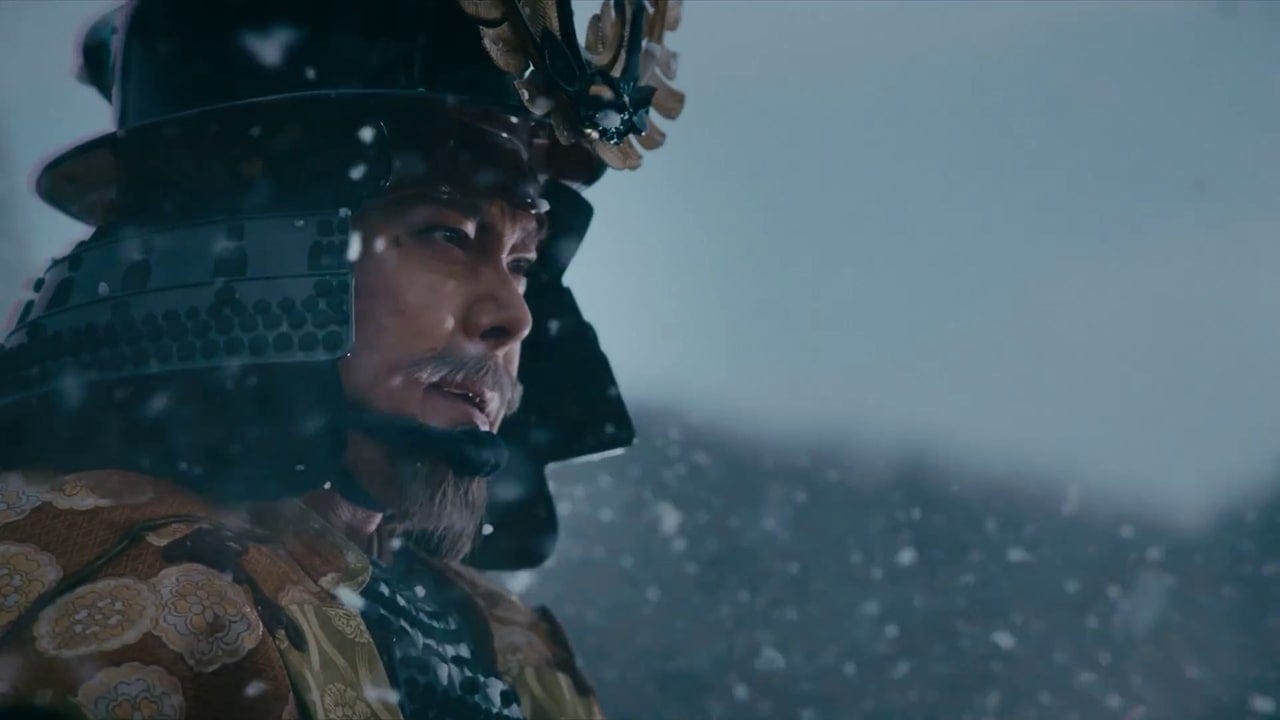
The Price of Polish: How a Grand Remaster Stumbled on Its Own Quality Control
When Total War: Shogun 2 arrived in 2011, it was a beloved strategy classic. Years later, Creative Assembly and Sega promised a grand revival with the release of the Complete Edition, a visual facelift intended to modernize the experience for a new generation. The promise was massive: upgraded textures, improved models, modern lighting, anti-aliasing, and even optional 2.5D campaign movies inspired by Japanese Ukiyo-e art.
The intention behind the remaster was clear—to take a timeless game and give it a high-fidelity glow. However, as the dust settled on the release, the focus quickly shifted from visual splendor to glaring inconsistencies that emerged across the board. Fans who eagerly paid for the upgrade soon noticed that the promised visual improvements were sometimes overshadowed by what many felt was rushed development and questionable quality control.
The concerns were not just aesthetic; they touched upon the very core of the game’s interaction with its world. Critics and players pointed out jarring errors, such as instances where samurai faces were replaced with metallic textures that struggled to distinguish between the features and the helmet, suggesting the involvement of low-quality artificial intelligence in the rendering process. Furthermore, inconsistencies crept into the new storyboard cutscenes, failing to live up to the artistic vision.
This gap between the ambitious marketing and the delivered product sparked significant frustration. The perception was that the excitement surrounding the ‘upgrade’ led to disappointment when the reality of the polished experience didn’t match the promise of high-fidelity rendering and modern design.
The quality concerns quickly escalated into a major commercial issue. Sega, recognizing the widespread dissatisfaction, made the difficult decision to pull the original game from sale, pushing customers toward the new Complete Edition. This move was compounded by the pricing structure: the original game was available at a low price, but the upgraded edition carried a hefty $40 price tag.
The market response reflected the internal conflict. The Complete Edition, despite the promise of visual brilliance, quickly amassed an overwhelmingly negative user review rating on Steam, as customers voiced their grievances about the experience they had paid for.
In response to the outcry, Creative Assembly and Sega issued a joint statement acknowledging the shortfall. They admitted that the experience had not met both player expectations and their own standards. The statement confirmed they were actively working to resolve the issues, pledging to collaborate with platform holders to remove the game from sale and reinstate the original version while they thoroughly investigate the problems.
The developers are now focused on working closely with their development partner to pinpoint exactly where the quality control failed. This commitment signals a dedication to rectifying the errors and ensuring that the Total War: Shogun 2 experience finally meets the high standards players expect from the Total War series.
Buy on Amazon
Credit
