SF2 Designer Wants Super Turbo Rebalance
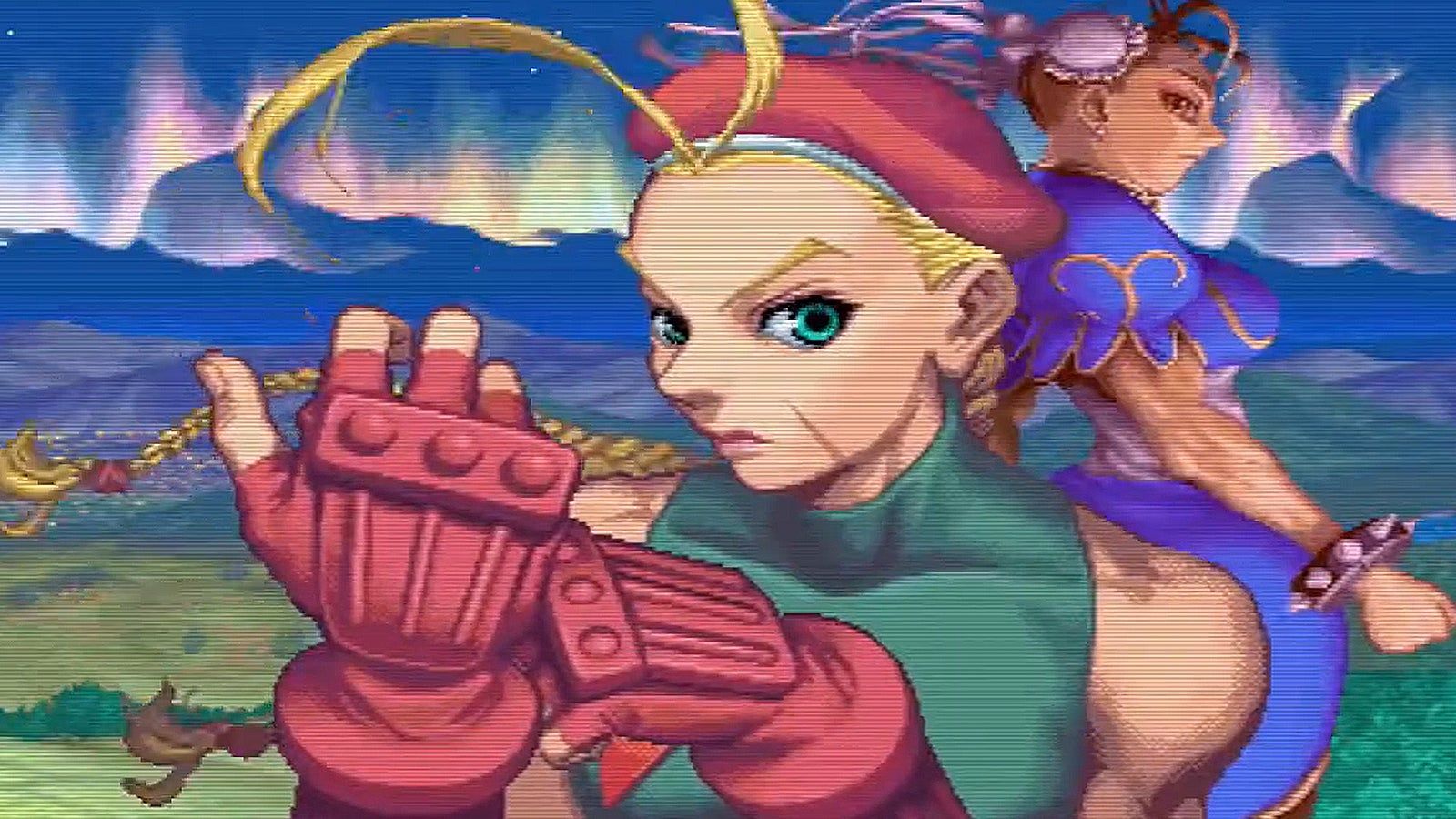
Thirty years after its debut, some classics deserve a second look. For many fighting game veterans, the question of rebalancing a beloved title is a tantalizing thought. This is the kind of historical revisionism that sparks debate, especially when the subject is a titan of the genre like Super Street Fighter 2: Turbo.
Akira Nishitani, a foundational designer for iconic titles such as Street Fighter 2 and Final Fight, recently tossed a playful challenge to the gaming world. Speaking on social media, Nishitani wondered aloud: “Is it okay to tweak Super Street Fighter 2 Turbo again? I wasn’t really involved much, but if it’s possible, I’d kinda like to give it a shot. Sorry if it turns into a nerf fest, lol.”
This seemingly lighthearted query immediately ignited a passionate discussion within the fighting game community. While Nishitani sought a creative outlet, many longtime fans felt a strong sense of caution. The consensus suggests that altering a game so deeply embedded in the collective memory can be a perilous endeavor.
For example, some community historians argue that logical changes, however well-intentioned, risk alienating the core audience. One veteran commentator noted that removing elements beloved by players—such as Chun’s ability to store her Super—could diminish the game’s appeal, while conversely, preserving features like Honda’s stored Oicho Throw could enhance the fighting experience.
The sentiment reflects a deeper concern: the success of Super Street Fighter 2 Turbo lies in its established balance and nostalgic appeal. As one player warned, despite any perceived imbalance, the game remains immensely popular and has an active scene thirty years later, suggesting that careful stewardship is paramount when making adjustments.
The history of Super Street Fighter 2 Turbo is rich with evolution. Capcom has already revisited the title, releasing remixed versions like Super Street Fighter 2 Turbo HD Remix in 2008. More recently, the game has seen modern adaptations, including Ultra Street Fighter 2 for the Nintendo Switch. These updates demonstrate Capcom’s willingness to spin their retro catalog, yet the question remains whether they will delve into another full rebalance.
Nishitani himself continues to contribute to the fighting game landscape, having founded his own development studio, Arika, in 1995, which continues to produce games today. This ongoing connection to the industry provides a unique perspective on the legacy of these classic titles.
Ultimately, the debate surrounding Super Street Fighter 2 Turbo is less about numbers and more about nostalgia. It highlights the delicate balance between honoring a game’s history and evolving its mechanics for a new generation, proving that some classics are too precious to risk in the pursuit of a simple tweak.
Buy on Amazon
Credit