Should you invite Ambrus? The Blood of Dawnwalker
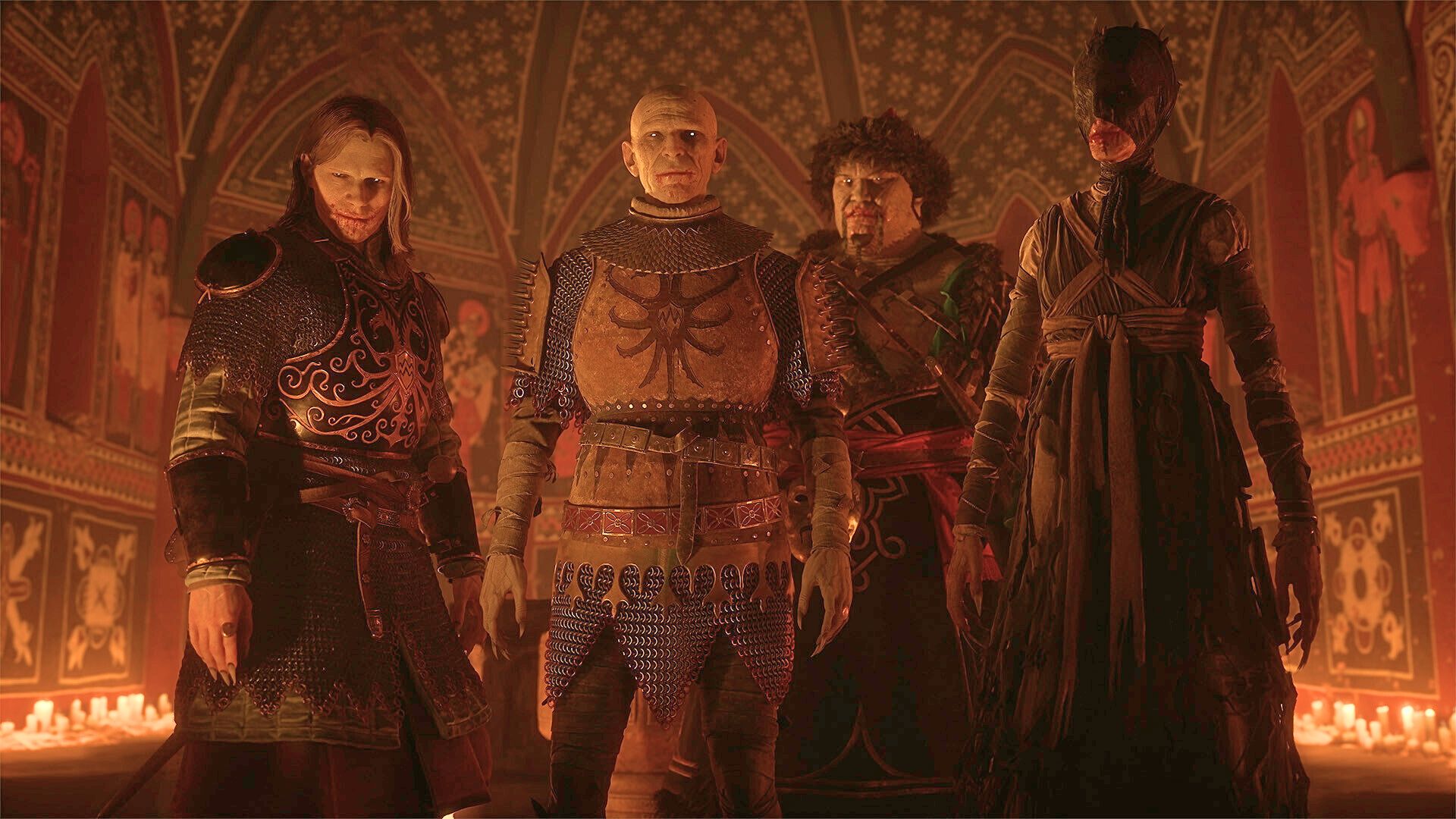
In the complex landscape of storytelling, the most compelling narratives often exist not in the realms of simple morality, but in the shadowed, gritty territories of necessary compromise. This is the core truth found when examining the arduous journeys of filmmakers like the Coen Brothers, whose work often serves as a stark exploration of the fine line between virtue and transgression.
There are moments in such a journey where the pursuit of something genuinely good demands actions that are undeniably dark. It is a stark reality that achieving true redemption, or simply getting your family back, frequently necessitates confronting fearsome foes and walking paths deliberately stained with blood. The morality of the pursuit is rarely clean; it is often a brutal negotiation between what is right and what must be done.
The central tension lies in this necessity. To secure a future, or to reclaim a lost connection, one must engage with the darkness that stands in the way. This is not merely a fictional trope; it is the lived experience of characters forced to make impossible choices, where the cost of victory is measured in moral compromise.
Yet, the true genius of these narratives lies not just in the conflict, but in the eventual shift in perspective. The story offers a profound philosophical insight: you do not have to allow the adversary to define your existence. While the initial struggle involves battling an enemy, the ultimate triumph comes from redefining that relationship. It suggests that the path to beating an enemy is not solely about inflicting pain, but about finding a way to dismantle the enmity itself.
True redemption, then, is found in recognizing that even the most damaging actions can be catalysts for change. It forces the protagonist to look beyond the immediate act and seek a path toward reconciliation, demonstrating that the scars left behind, however deep, are part of the human experience.
Ultimately, the most engaging stories are those that refuse simple answers. They embrace the messy complexity of human nature, showing us that heroism is rarely tidy. It is in the acceptance of the stained path that we find the capacity to move forward, proving that even in the darkest conflicts, the possibility of good remains, waiting for the courage to redefine the terms of the fight.
Buy on Amazon
Credit