Shuhei Yoshida’s TGS highlights feature a hair removal game
When a figure like Shuhei Yoshida, a former PlayStation executive and celebrated champion of indie games, steps into the spotlight, his recommendations carry significant weight. Recently, during the Tokyo Game Show, Yoshida shared his list of favorite titles, offering a window into what truly excites the world of independent development.
While Yoshida is known for nurturing innovation across the industry, his tastes often steer toward games that push boundaries rather than follow established formulas. His ongoing enthusiasm for indie developers is a hallmark of his work, often encouraging the community to explore the wonderfully strange and unique.
Among the titles he highlighted were gems like Finding Polka, the first-person horror experience Haunted Streamer, and the collaborative Sonic the Hedgehog indie project, Sonic Pico Park. These selections demonstrate a preference for creative, often challenging experiences.
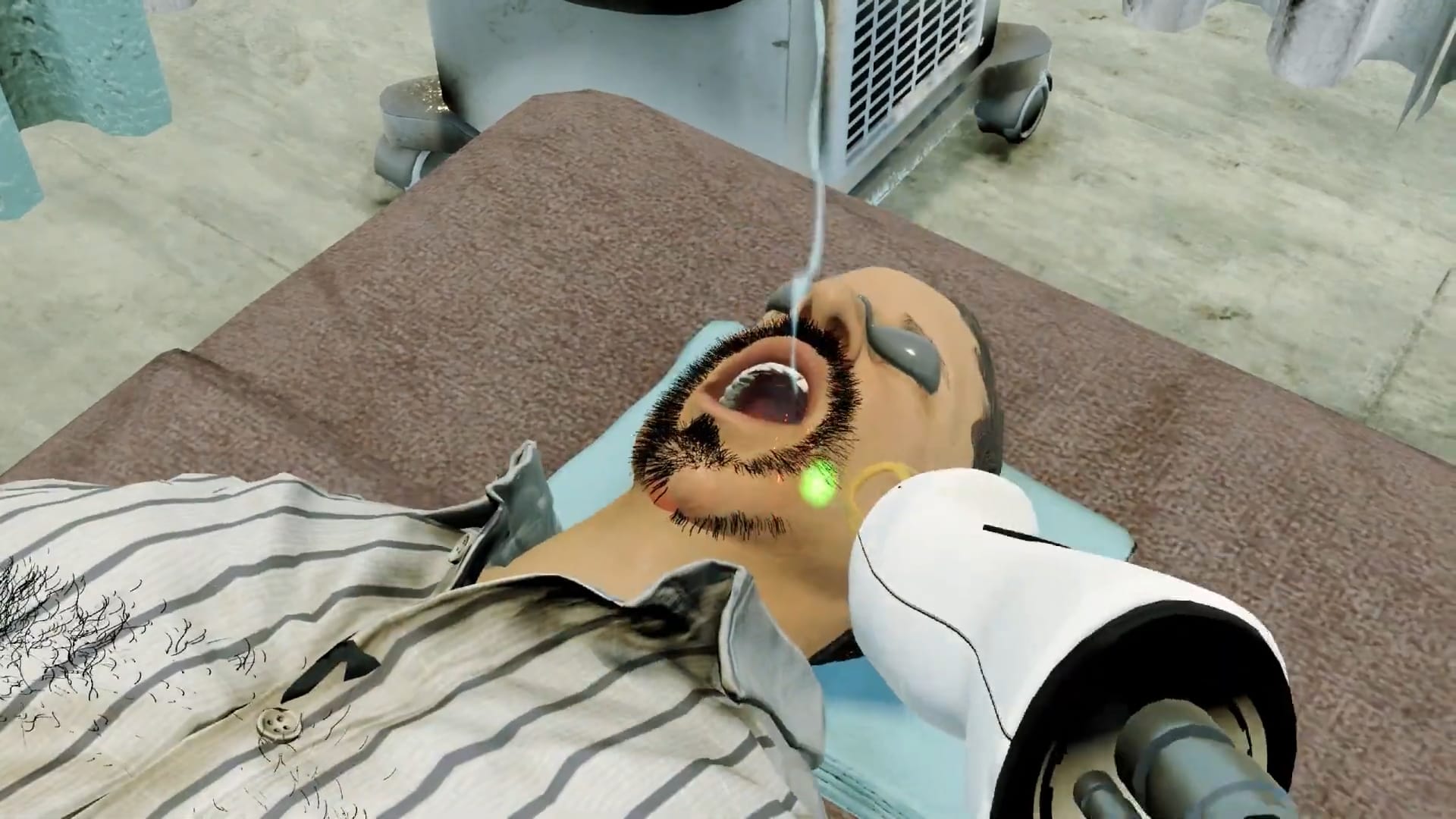
However, one game stood out, demanding a special mention from the esteemed executive: Hair Removal Salon Simulator. This title is not your typical gentle indie offering; it dives deep into a decidedly grotesque and visceral simulator genre.
The gameplay of Hair Removal Salon Simulator puts the player in the role of a salon master tasked with removing body hair from various clientele. The methods employed are delightfully unconventional, involving sticky tape, swords, burning, and even sending out a mini goat. It is a simulation built around the satisfying, yet intensely bizarre, process of making someone clean.
Yoshida’s description of the experience perfectly captures the unique appeal. He likened it to Power Wash Simulator, but with a wonderfully hairy twist: “It’s like Power Wash Simulator except you relentlessly remove hair from hairy men. It’s creepy, but it feels good.”
He further noted that what made the game truly effective was the environment itself. Yoshida appreciated how the setting and the grotesque appearance were expertly woven together with the basic feeling of satisfaction derived from performing a menial, yet intense, task.
Though Yoshida might not personally align with the ‘do a menial task you don’t want to do in real life’ simulator genre, his enthusiasm for the game speaks volumes about his belief in the power of independent creators. It is a testament to his ongoing commitment to championing games that are genuinely innovative, pushing the boundaries of what interactive entertainment can be.
Buy on Amazon
Credit
