Silent Hill Game Play Order Guide
The Fractured Fog: Unraveling the Complex Timeline of Silent Hill
For nearly three decades, the fog-drenched streets and psychological torment of Silent Hill have haunted the dreams of horror enthusiasts. This town, perpetually burdened by the Otherworld, has established the very grammar of psychological horror, defining how we understand fear and madness. But beneath the thick atmosphere of fog and dread lies a labyrinthine narrative—a timeline that is less a straight road and more a tangled knot of echoes, contradictions, and deeply buried secrets.
Each installment of the Silent Hill saga offers a relatively self-contained story, tied to whatever supernatural entity decides to manifest itself in the town. Yet, the true depth of the franchise emerges when these separate tales connect. Through returning characters, cryptic memos, and fragmented artifacts, a larger, sprawling narrative begins to emerge, forcing fans to grapple with the protagonist’s desperate journey toward atonement, or perhaps, utter madness.
Trying to piece together this history can feel like navigating a minefield. With approximately 18 games released since the franchise debuted in 1999, the history is rich with creative shifts, with four games initially developed by Team Silent paving the way for the rest of the sprawl, followed by diverse studios across Japan and North America.
The history is dense, weaving together major canon games like Silent Hill, Silent Hill 2, and Silent Hill 3, but the timeline is further complicated by fascinating spin-offs and experimental entries. Games like Silent Hill: Origins act as crucial predecessors, setting up arcs that lead directly into the main saga, even as they introduce debates about what constitutes true canon.
The timeline doesn’t adhere to a simple chronological path. For instance, we see entries like Silent Hill 3 concluding the original cycle, yet more recent entries like Silent Hill: Townfall appear to take place within the middle of the original era, further blurring the lines between established lore and new, guilt-driven perspectives.


This fluidity is intentional. While some games offer direct connections, others exist as brilliant, self-contained explorations, introducing unique mechanics—such as the action-focused Silent Hill: The Arcade or the character-driven dungeon crawler Silent Hill: Book of Memories—that offer unique insights without demanding full knowledge of the overarching plot.
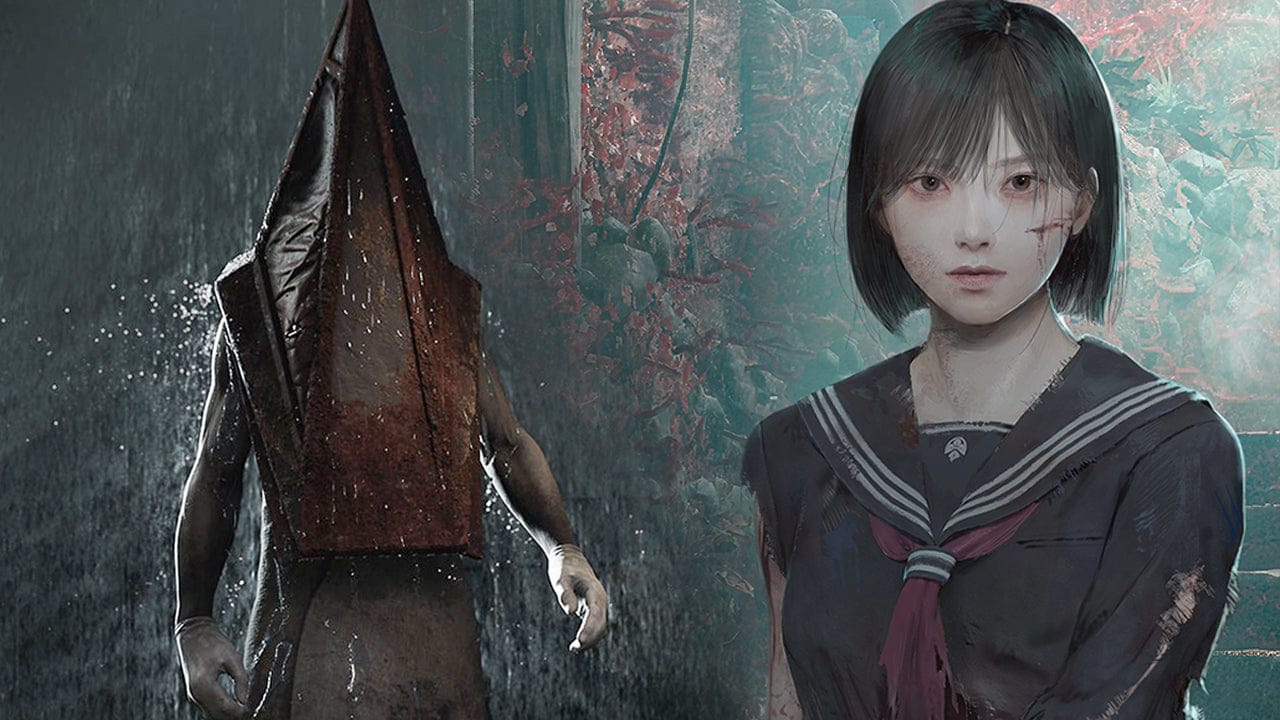
Even the most recent additions, like Silent Hill f, which shifts the setting to Japan in the 1960s, and the free-to-play Silent Hill: The Short Message, bring fresh, distinct realities to the franchise. These experiments suggest that Konami is continually exploring what it means to be “Silent Hill,” suggesting a focus on survival horror that is constantly evolving.
Ultimately, the true legacy of the Silent Hill franchise isn’t found in a neat, linear map, but in the enduring power of its atmosphere. The scattered connections, the contradictions, and the endless possibilities allow fans to create their own understanding of the Otherworld. Whether you start with the classic entries or dive into the newest, the fog remains, and the mystery of Silent Hill continues to unfold.
Buy on Amazon
Credit
