Silent Hill Townfall lead kept in the dark about future remakes
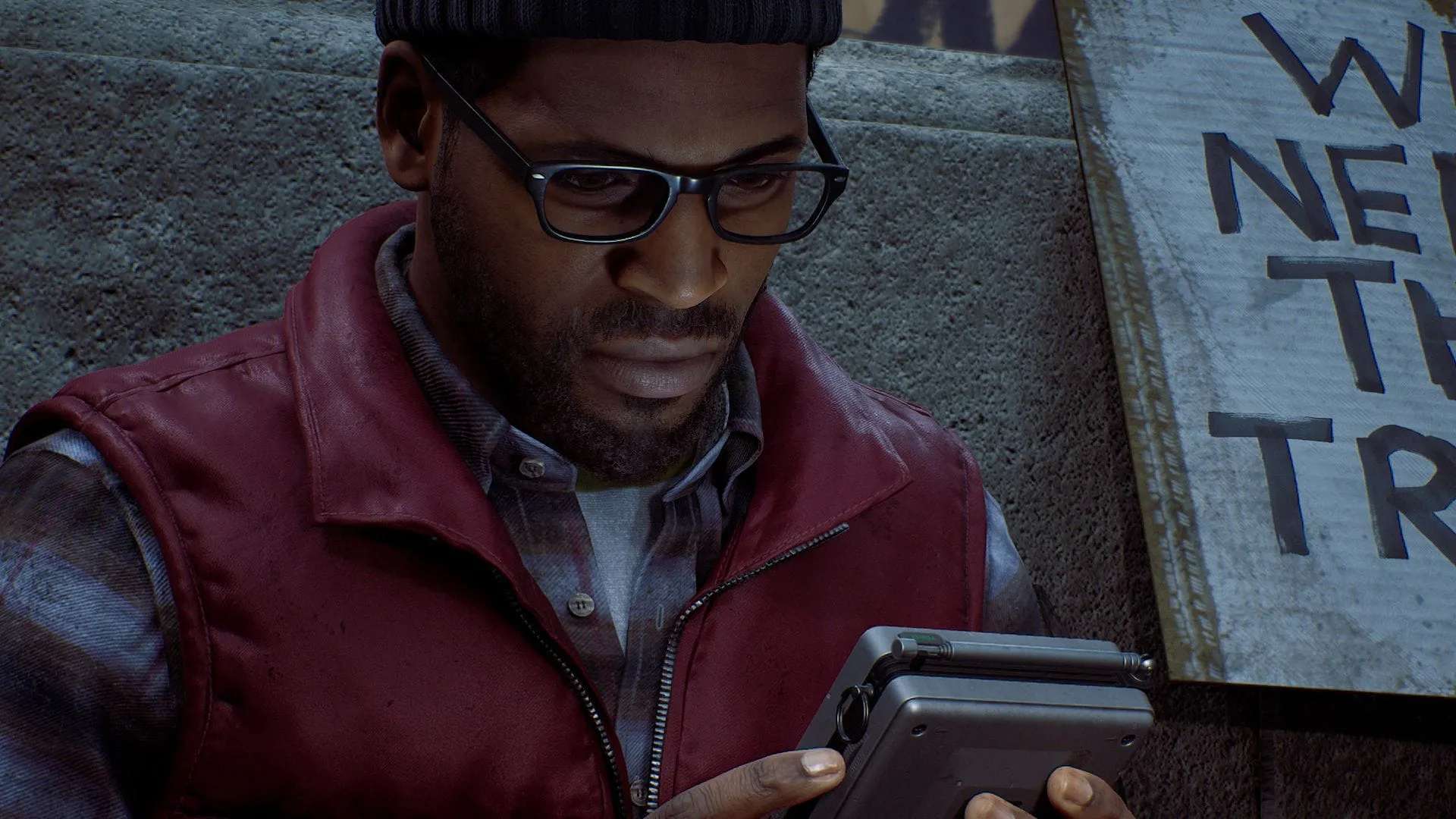
When a legendary franchise decides to return, the journey can often be more complicated than a simple sequel. For the developers behind Silent Hill: Townfall, the experience was anything but straightforward. Director Jon McKellan revealed that Konami deliberately kept the development team in the dark about the plethora of other Silent Hill projects that were simultaneously in development, adding a layer of intrigue to the lore of the horror franchise.
After nearly a decade away from the spotlight, Konami brought the franchise roaring back, announcing a wave of new titles, including the Silent Hill 2 Remake, Silent Hill f, and Silent Hill Ascension, alongside the forthcoming Return to Silent Hill movie. While the collaboration with Bloober Team on the remake was highly anticipated, the existence of these other games was a revelation, surprising many fans and, notably, the production team.
Speaking at a recent event, McKellan elaborated on this behind-the-scenes reality. He noted that the team only learned about these concurrent projects when the other studios made their announcements. This meant that the development team was essentially kept in the dark—a situation that, ironically, brought a certain excitement to the fan community, allowing for a degree of mystery to build around the franchise’s massive comeback.
However, even after the existence of these projects was disclosed, McKellan noted that Konami maintained a careful distance regarding the specifics of what was happening. The series producer, Motoi Okamoto-san, was reportedly keen on ensuring that each project remained distinct, striving to avoid any undue influence or crossover that might muddy the waters.
When pressed on whether this secrecy restricted creative freedom, McKellan offered a reassuring perspective. He stressed that the environment was not overly restrictive, contrasting it with industry examples where teams are strictly confined to a single lane. He felt given significant creative latitude, operating under the understanding that Konami and the internal team would step in only when necessary to maintain the overall integrity of the brand.
Despite the desire for separation, McKellan admitted that minor adjustments occasionally occurred. He mentioned that there was one instance where the team received feedback that a specific enemy design felt “a little too close,” prompting a suggestion to pivot in a different direction. This indicates that while the process was guided, the core creative vision remained largely intact.
Ultimately, the process highlights the delicate balance between corporate stewardship and artistic autonomy. For the developers, navigating the complex web of multiple titles revealed a unique, albeit controlled, chapter in the history of the Silent Hill franchise—a testament to how big studio decisions shape the often-unseen tapestry of game development.
Buy on Amazon
Credit