Skeleton Roast Chicken in Fable | Gamescom 2026
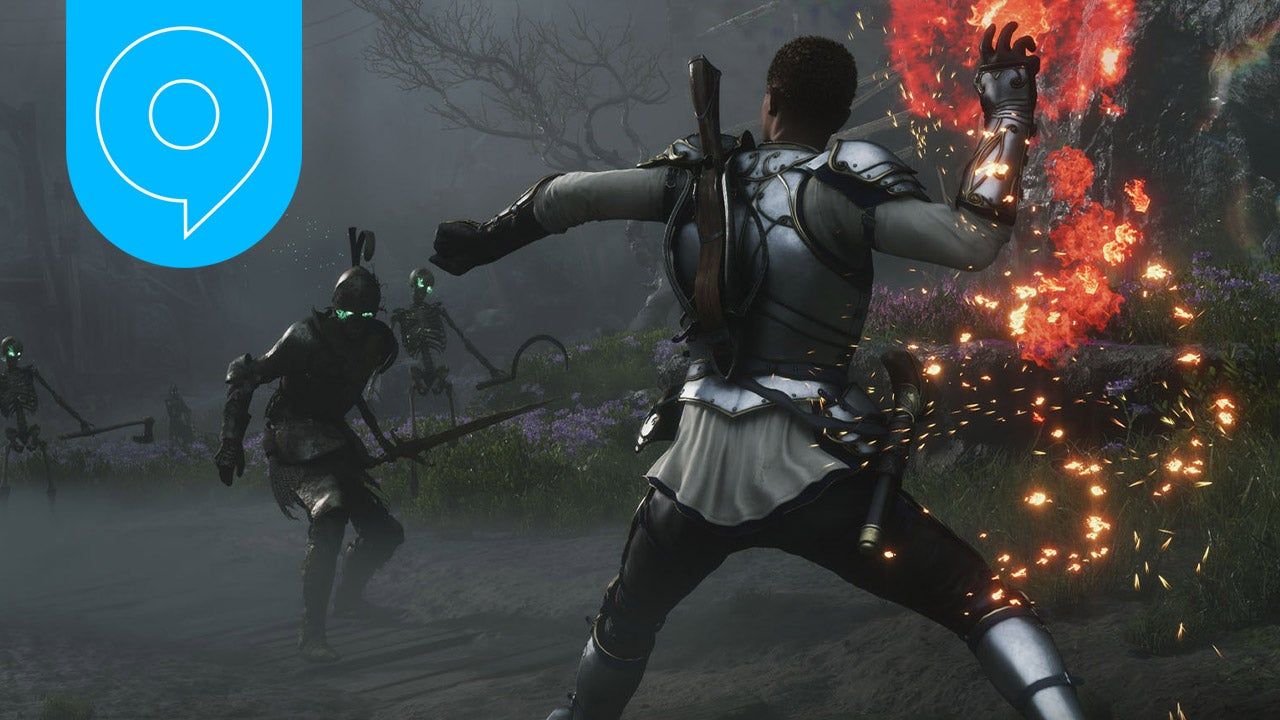
Stepping into the world of Fable is an invitation to embrace the glorious, chaotic spirit of heroism, and the latest gameplay demonstrations prove that this fantasy is far more than just beautiful scenery. Watching the live demo, which focused on the bustling city of Bowerstone and the choices made within its missions, set a high bar for the experience. While the visuals and narrative hooks are undeniable, what truly captivated the player was the feeling of power that emerged when combining combat with Fable’s signature magic.
The core philosophy of Fable’s combat is built on the idea that heroes are special—stronger, more charismatic—and that combat is the perfect arena to showcase those unique qualities. Game director Ralph Fulton posits that combat isn’t just a chore; it’s where players express their differences. This approach avoids rigid class systems, instead encouraging players to experiment with a wide array of magical abilities and weaponry to craft a loadout that perfectly complements their playstyle.
This flexibility transforms every encounter. In a demonstration of the game’s depth, players were able to test spell and weapon combinations, discovering intricate synergies that pushed the boundaries of what combat can be. Whether employing a lightning strike to shatter skeletons mid-air or using magical blades to sweep multiple targets, the synergy between physical strikes and arcane abilities brings a dynamic level of engagement that feels genuinely innovative.
The enemies themselves are just as memorable as the mechanics. Encounters with reanimated skeletons reveal clever, almost Ray Harryhausen-esque details, with foes reacting dynamically to damage. Knocking a skeleton’s skull from its spine, for instance, not only delivered satisfying damage but also altered the foe’s behavior, turning it from an aiming threat into a chaotic, crawling entity. This level of interactive physics adds a layer of playful realism to the fight.
But the true heart of Fable’s combat often lies in the wonderfully absurd. The developers injected humor directly into the action, and the result is pure, delightful chaos. One of the most beloved magical touches is the ability to turn enemies into chickens using the Befowl spell. When applied to an undead warrior, the result is a glowing, green, undead chicken, which can then be transformed into a freshly roasted chicken upon being hit by a fireball. These kinds of experimental, comedic outcomes remind players that in the world of Fable, sometimes the funniest outcomes are the most rewarding.
The action remains grounded in satisfying physical mechanics—dodging, blocking, and parrying—but the integration of magic elevates the experience dramatically. Even challenging boss fights, such as confronting the twisted Lantern Keeper in the Wraithmarsh, require tactical thinking. Success often hinges not just on raw power, but on smart positioning and exploiting vulnerabilities, making the engagement feel strategic rather than purely brute force.
Ultimately, the experience of playing Fable is a masterclass in flexibility. The game offers a fluid system where traditional action meets wild magical possibility. It promises that players will not only be heroes but also creators of unique, hilarious, and deeply satisfying combinations, proving that the best defense is often a perfectly timed, improbable spell.
Buy on Amazon
Credit