Skyrim and Fallout kept Bethesda devs safe from layoffs
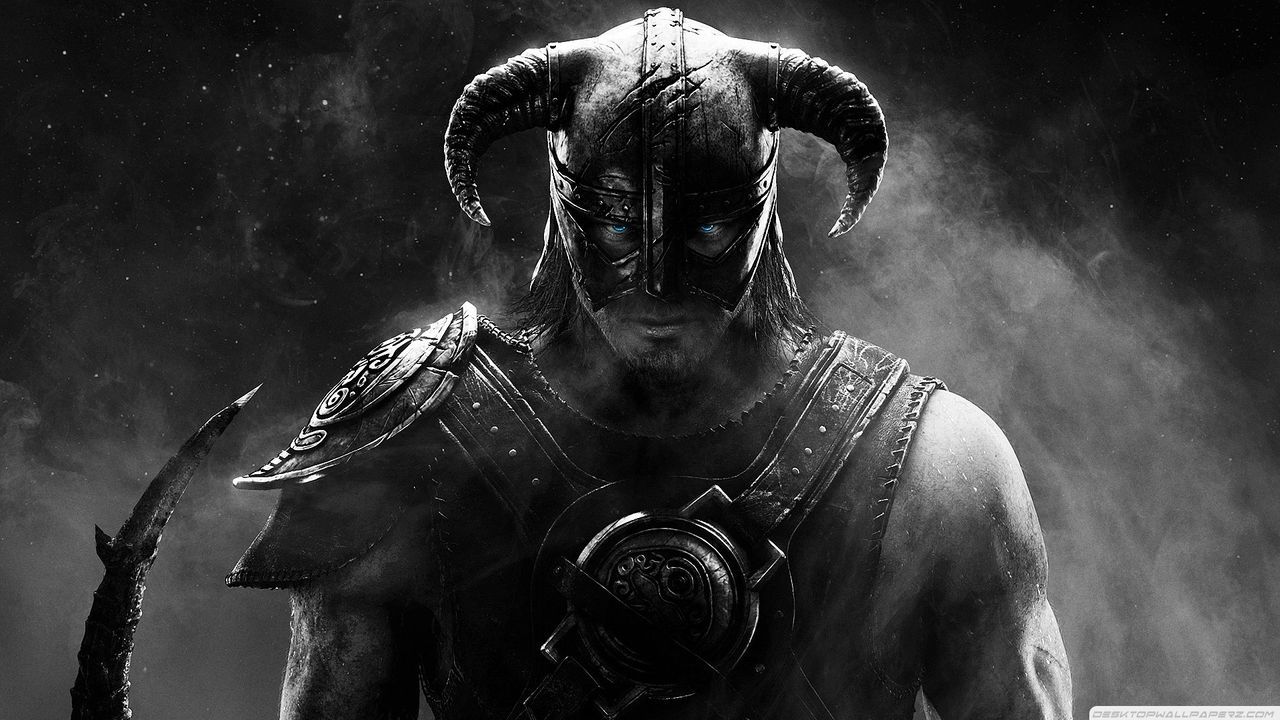
The massive restructuring underway at Xbox has sent ripples through the gaming world, hitting major studios like Bethesda with significant force. The cuts, aimed at reducing the workforce by 3,200 jobs by the end of the 2027 fiscal year, have particularly affected the legendary game studio, prompting a profound reaction among those whose careers were built on creating iconic worlds like Skyrim and Fallout.
For many employees at Bethesda Game Studios, the news was less about abstract corporate percentages and more about a sudden, stark reality check. Staff who dedicated decades to building these celebrated franchises felt caught in a sudden storm, realizing that the work they poured their lives into might not have been enough to insulate them from corporate cost-cutting measures. The experience was described by some as a devastating moment of realization: a sense of impending doom that turned into disbelief.
Veterans, who had built careers spanning years of development for these massive RPGs, were among those who experienced this shift most acutely. Figures like Christiane Meister, a veteran who contributed to the lore of the Elder Scrolls and Fallout series, and Ray Lederer, the artist behind some of the studio’s most beloved concepts, found their long-standing contributions suddenly up for review. For these creators, the fear wasn’t just about job security; it was about the erasure of institutional knowledge.
The process of the layoffs added another layer of anxiety. Employees often felt they were navigating this corporate shift in the dark, waiting for concrete details. This lack of transparency amplified the feeling that their professional history was being discarded without adequate context. The information eventually arrived in a sudden burst, leading to feelings of shock and profound disappointment over a career spent in a beloved field.
The impact extended beyond the immediate job loss, touching on the fundamental nature of game development itself. Those who contributed to the quality of the titles facing the future, including highly anticipated games like The Elder Scrolls 6 and Fallout 5, are now grappling with the implications of talent loss. They ask how the quality and proprietary technology can be maintained when the people who developed that knowledge are being removed.
This reflection points toward a broader industry concern: the value of creativity versus pure cost efficiency. Some argue that the market has become overly focused on a repetitive formula, where the focus shifts away from investing in genuine creative talent and institutional memory. The argument is that the real value of AAA gaming lies in the creative investment, not just the output.
The core concern articulated by those in the industry is the loss of institutional knowledge. As one voice suggests, replacing experienced artists or developers is not simply about hiring new people; it is about losing the deep understanding of proprietary technology, visual identity, and the creative history that allows for truly groundbreaking work. When that knowledge is lost, the quality and future direction of massive entertainment properties are at risk.
Ultimately, the story of these layoffs serves as a powerful reminder that behind every successful, legendary title are dedicated creators. The challenge now is to ensure that corporate restructuring respects the human capital that fuels innovation, ensuring that the future of gaming continues to prioritize genuine creativity and the deep expertise that makes these worlds so compelling.
Credit