Smaller world means less handholding for D&D Warlock
Warlock: Why Wizards of the Coast is Betting on Exploration Over Endless Space
While the sprawling landscapes of games like Skyrim define the modern open-world experience, Wizards of the Coast is taking a different approach with their newest Dungeons & Dragons title, Warlock. Far from attempting to recreate epic, limitless territories, the new adventure is deliberately scoped, proving that sometimes, less space can deliver a much richer experience.
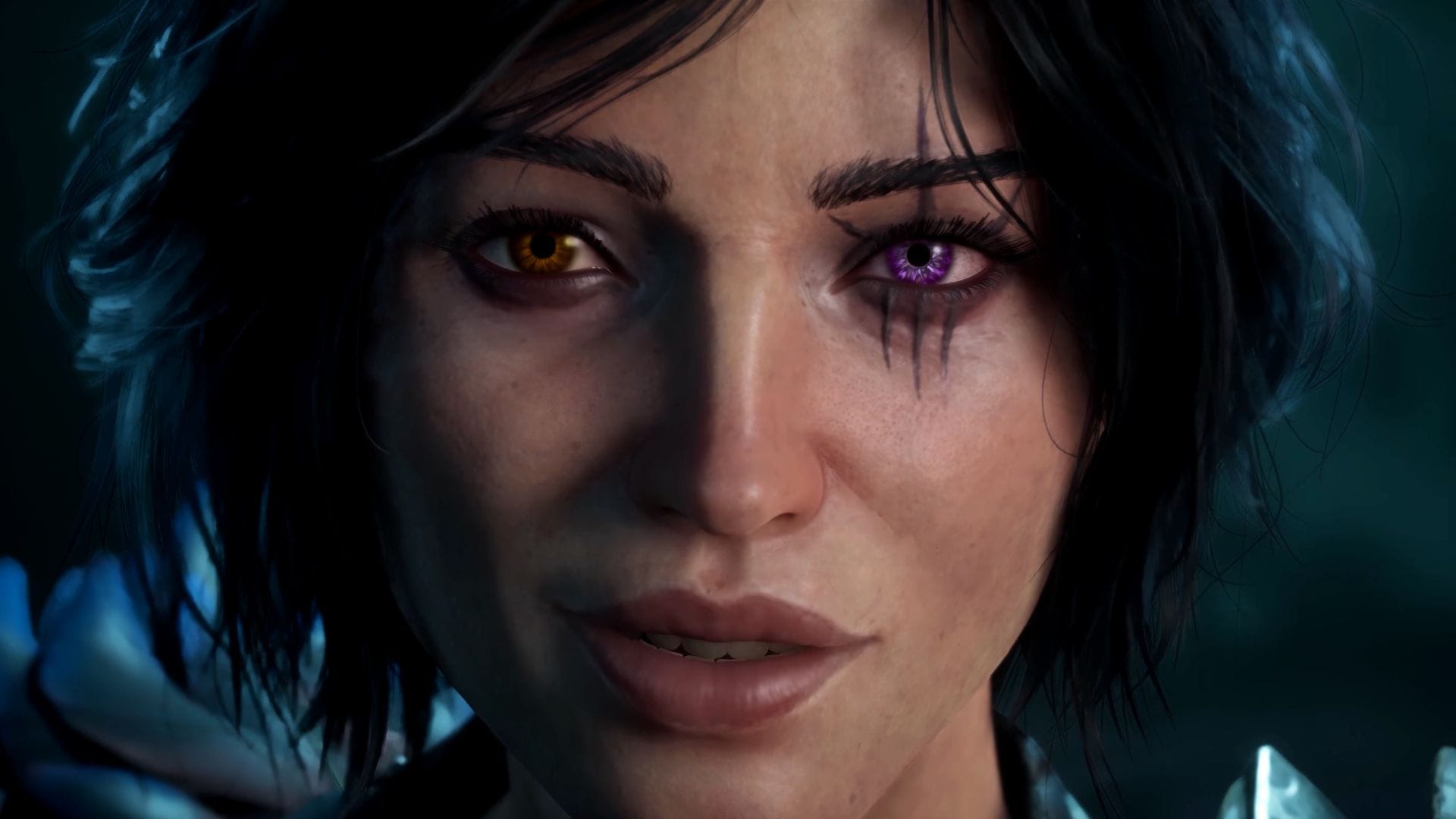
Unveiled last year, Warlock immediately sets itself apart by focusing on deep immersion rather than sheer scale. The game centers on Tasha, an archmage and demonologist, and the design philosophy behind the world is clearly rooted in intentional exploration, steering clear of the sprawling, waypoint-following mechanics that often dominate the genre.
This intentional choice leads to a surprisingly dense and compelling world. Rather than stretching the map across an unwieldy expanse, developers opted for a slightly smaller environment, a decision that allows them to pack more substance into every corner. As developer Dominic Guay explains, this strategic narrowing of the world gives them the freedom to pull back on the typical handholding of open-world design, letting players discover what matters rather than following a pre-set path.
“Because we wanted this to be exploration-driven, we didn’t want the player just to follow a waypoint around,” Guay noted. This focus on density means that every location holds more meaning, encouraging genuine discovery rather than just traversing distances.
The resulting world isn’t empty; it’s brimming with opportunity. Guay points out that this increased density translates directly into a wealth of content. Players will encounter numerous cool spells and hidden secrets, ensuring that the sense of discovery is constant and rewarding.
Beyond the geography, the core gameplay mechanics are designed to enhance the feeling of being truly magical. The control system for Warlock simulates a “real-time expression of magic,” moving away from slower, traditional systems. This dynamic approach promises a more action-packed world where casting spells feels alive and immediate.
This focus on dynamic interaction has a powerful effect on the environment. By emphasizing real-time magic, the world feels more responsive and alive, making exploration feel less like a chore and more like an active pursuit. It’s a design choice that flips the script on the traditional open-world expectation, suggesting that atmosphere and interaction can triumph over sheer size.
Ultimately, Warlock suggests that the next evolution of open-world RPGs doesn’t require limitless boundaries. By prioritizing narrative density and dynamic gameplay, the developers are crafting a space where exploration is not just about covering ground, but about discovering a truly living, reactive world.
Buy on Amazon
Credit
