SNL Skit: Jason and Link Battle GTA 6 vs Zelda
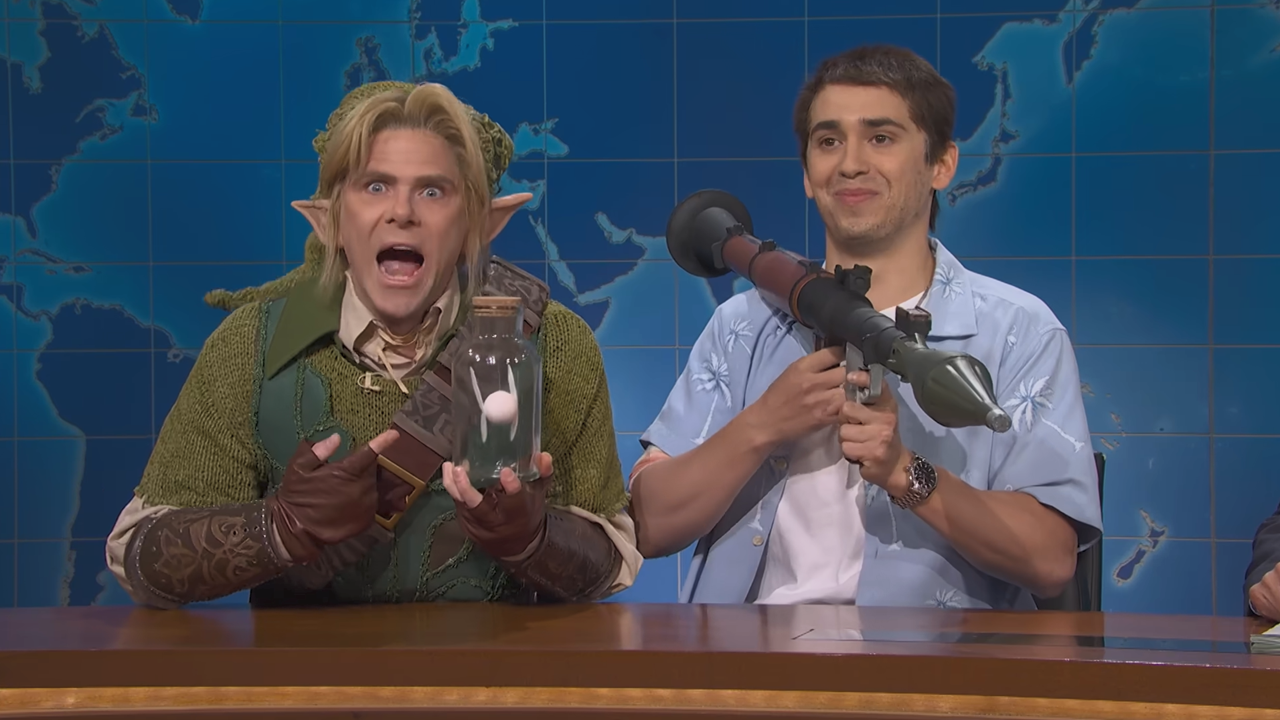
When two of the biggest video game releases of the year collide on television, the result is often pure, glorious chaos. This season, that collision landed on Saturday Night Live, where the Weekend Update skit brought the titans of gaming—Grand Theft Auto 6 and The Legend of Zelda: Ocarina of Time remake—into a hilarious, and frankly, baffling, argument.
The skit featured live-action interpretations of the protagonists, Jason Duval from the chaotic world of Los Santos and Link from the mystical Kingdom of Hyrule. Played by Marcello Hernández and Mikey Day, the two icons found themselves occupying the Update desk, engaged in a spirited debate over which game truly reigned supreme. The segment laid thick references to everything from stealing cars and buying RPGs to solving ancient puzzles, bringing the competitive spirit of gaming right into the living room.
While the skit was certainly designed to be a laugh, many gaming fans found the execution to be a bit rough around the edges. The humor, which relied on established gaming tropes, struggled to connect with an audience expecting more than surface-level jokes. Some viewers noted that the references felt stale, repeating jokes that had been circulating for years, making the interaction feel less fresh and more like a rerun.
The performances themselves drew mixed reactions. Jason Duval’s portrayal leaned heavily into the antics of Grand Theft Auto, with his costume offering more of a Halloween-costume vibe than a true reflection of the character. In contrast, Link’s look was widely praised; his tunic was noted for being surprisingly accurate to the specific details of the Ocarina of Time remake, complete with elf ears and a convincing wig. Despite the costume praise, the comedic timing sometimes faltered when the focus shifted to Link yelling about puzzles rather than engaging in a witty argument.
The feedback from the community highlighted a common theme: the sketch missed the mark because it relied too heavily on general, well-worn jokes rather than specific, deep-cut gaming knowledge. One observer noted that the skit was baffling, pointing out a complete disregard for specificity in favor of broad, surface-level nonsense. The underlying sentiment was that the parody failed to elevate the beloved characters into something truly insightful.
Despite the critique, the fact that these two massive titles were highlighted—especially given the intense competitive anticipation surrounding their November releases—shows how powerful the gaming zeitgeist is. While the SNL segment may have fallen flat for some, it perfectly captured the ongoing, relentless energy that fuels the gaming community. For gamers, the real excitement remains in the strategic choices they must make in the coming weeks, regardless of whether they make it into a television skit.
Credit
