Snyder: Now is the perfect time for a Dark Knight Returns adaptation
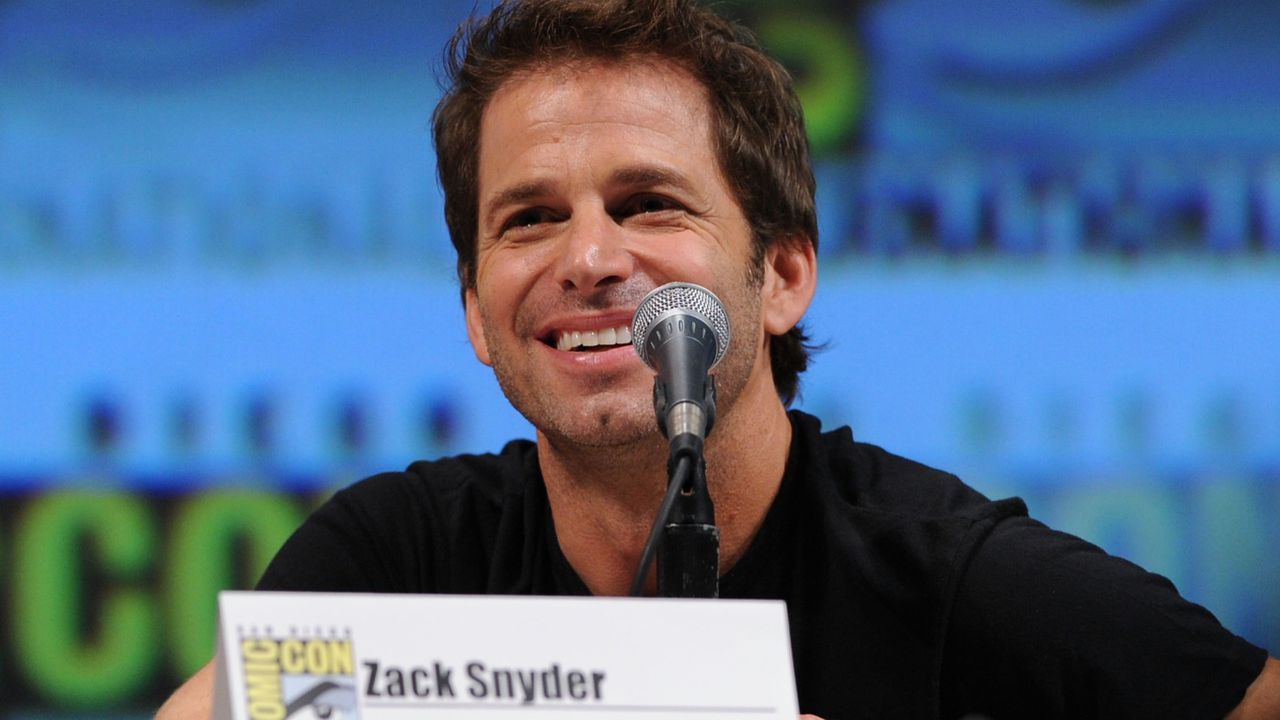
Even when stepping away from the DC Universe, some creators are determined to revisit their most potent stories. Director Zack Snyder, known for his intense visual style, is now looking to return to the Batcave, driven by a profound belief that a specific tale is overdue: his adaptation of Frank Miller’s classic, The Dark Knight Returns.
While he hasn’t engaged in tussles with the Caped Crusader since the DC Universe shifted hands, Snyder sees no better time than now to revisit the source material. For him, the return isn’t just a nostalgic trip; it’s a necessary step in charting the entire history of the superhero medium. When asked why he returned to Miller’s work, Snyder laid out a philosophy that positions the film not as a standalone event, but as a crucial link in a larger narrative cycle.
“The reason why it’s The Dark Knight Returns, if anyone would ever let me do it outside of the DC Universe since it’s a novel that just happens to have superheroes in it, is if I could do Watchmen and The Dark Knight Returns, those two books next to each other, to me, represent the complete cycle of the superhero comic book medium,” he explained.
Snyder views these two works as the essential timeline. Watchmen arrived at the beginning of the superhero movie phase, and placing The Dark Knight Returns now reflects where the genre is heading. He suggests that this pairing gives audiences a complete understanding of the evolution of the superhero genre, providing context that audiences today might be missing.
Snyder’s deep appreciation for the source material shines through in his visual execution. Throughout his career, he has demonstrated a remarkable knack for replicating key sequences from comics, including iconic moments from 300 and Watchmen. He believes that this visual mastery is key to his argument: the time for the traditional hero and villain narrative is drawing to a close, and what the audience is truly hungry for is a final, definitive confrontation with Batman.
This perspective taps into a wider cultural fatigue. Snyder posits that the film would resonate powerfully with contemporary audiences who are already exhausted by the comic book cinematic landscape. He suggests that making a story designed for a readership already fatigued by comics now might provide a fresh, urgent narrative experience.
While the debate over superhero fatigue is certainly active—especially with major cinematic events like Spider-Man: Brand New Day and upcoming events like Avengers: Doomsday on the horizon—Snyder remains focused on his own artistic narrative. Though the immediate path for Batman fans is currently focused on The Batman 2, slated for release in 2028, Snyder’s ambition remains fixed on revisiting the epic scale and cyclical nature of the stories that defined the age of comic book heroes.
Buy on Amazon
Credit