Solving the RPG problem that made Vault Boy iconic
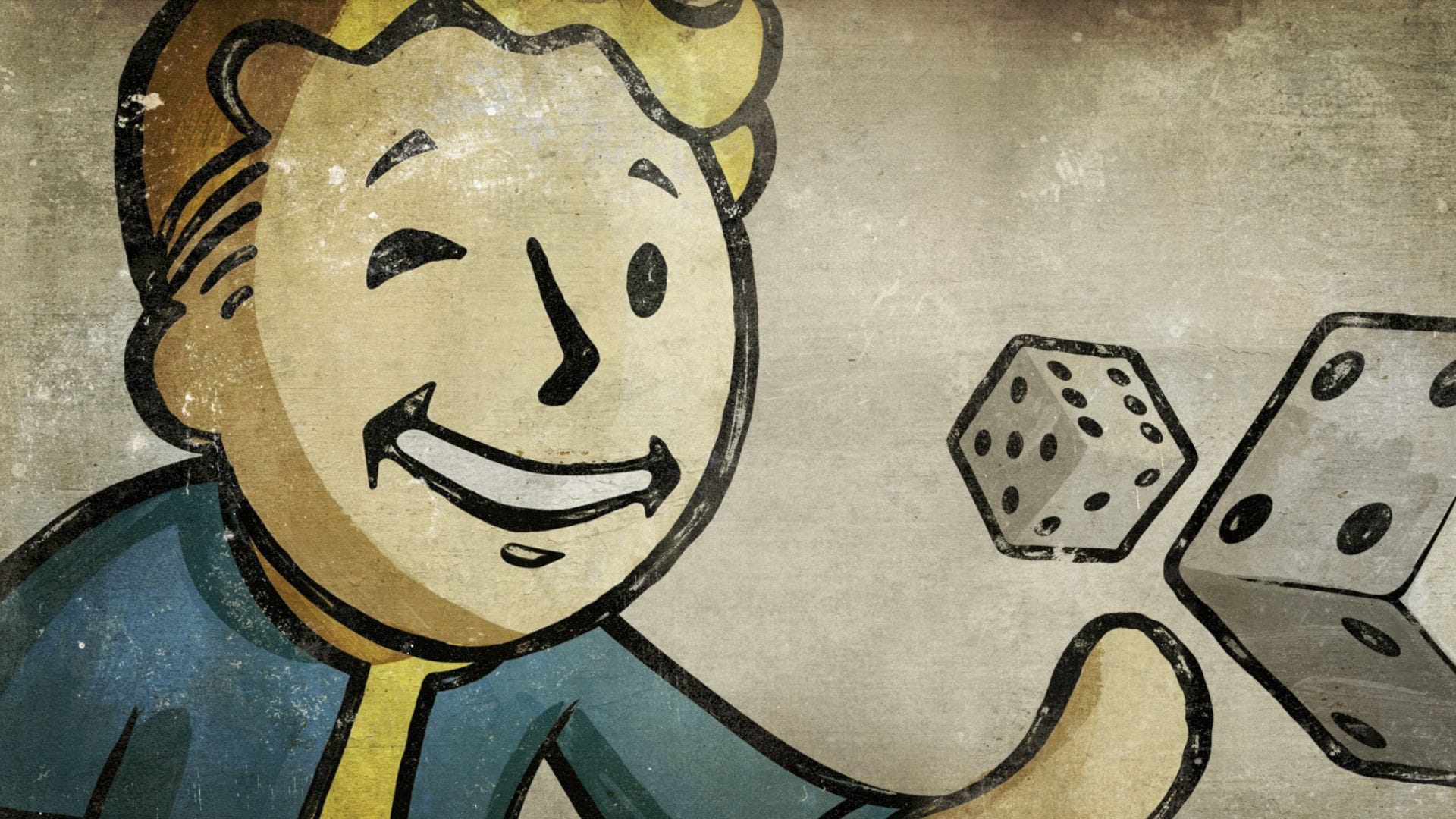
When you look at the sprawling world of Fallout, you see the iconic SPECIAL stat system and the instantly recognizable Vault Boy mascot. But these beloved elements weren’t just arbitrary design choices; they are the accidental legacies of creative clashes and a fascinating history of artistic compromise.
The journey began with the original vision for the game, which was rooted in the Generic Universal Role-Playing System (GURPS). To make the complex characteristics of skills, advantages, disadvantages, and quirks digestible for players at a glance, the developers needed a visual shortcut. This led to the creation of a vast array of icons, some of which required significant artistic effort.
To streamline the game’s presentation, the team needed visual shorthand. As one lead designer explained, every characteristic had to be represented by an icon so that information could be conveyed quickly, especially in areas where text was limited. This task fell to artists like Arlene Somers, who created hundreds of these symbols, simplifying complex mechanical concepts into instantly recognizable visual cues.
The visual identity of the world was further refined by the art direction. Some sought to make the skilldex—the place where attributes and descriptions were displayed—even more engaging. This led to creative ideas, such as a character performing an action, inspired by classic cultural references, which helped bring the world to life in a unique way.
One of the most memorable additions, Vault Boy, was handled by artist Tramell Ray Isaac, who drew hundreds of the final icons that would populate the series. He brought the mascot to life, ensuring that the character was deeply integrated into the game’s lore, appearing everywhere from the manual to the opening cinematic.
However, the development of Fallout faced a significant hurdle beyond artistic design: studio demands. The original developers had to navigate objections from Steve Jackson Games regarding certain elements of the game, most notably Vault Boy. Jackson and his team were keen on a particular tone, and they felt the Vault Boy design, including its cultural references, did not align with their vision for the project.
Unwilling to concede to these demands, the creative team made a pivotal decision. They abandoned the GURPS system in favor of their own bespoke stat system, which eventually evolved into the famous SPECIAL attributes. In effect, the resistance to one element accidentally birthed another.
This history demonstrates how creative friction can shape a franchise. The tension between the original artistic vision and commercial expectations did not derail the project; instead, it forged two of the most enduring and recognizable legacies of the Fallout universe.
Buy on Amazon
Credit
