Sony axed Physint despite Kojima’s legacy and Death Stranding
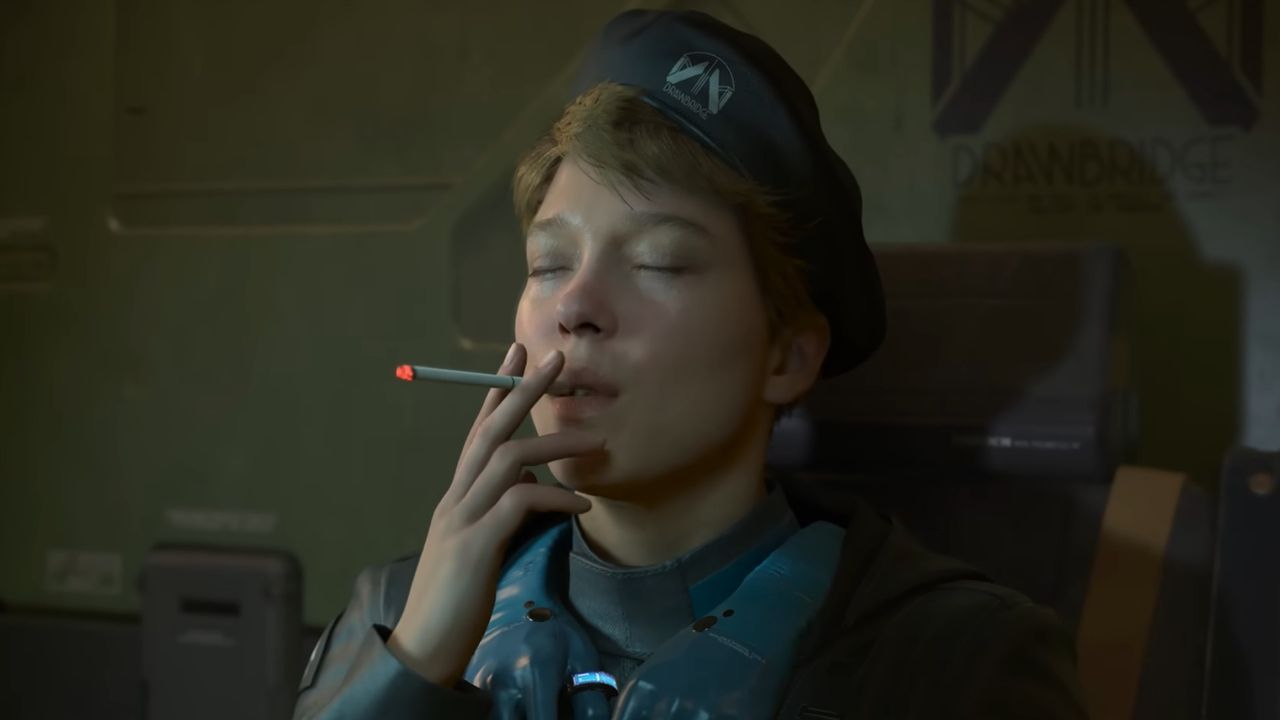
The gaming world is currently buzzing with a fascinating tale of corporate shifts, creative clashes, and unexpected acquisitions. At the center of this drama is the fate of Hideo Kojima’s next major endeavor, which has sparked a fascinating saga involving Sony, Xbox, and the often-turbulent landscape of game development budgets.
Just as Sony was making headlines with its latest moves, reports surfaced suggesting a significant rift between the publisher and Kojima Productions. While the anticipation for a new Metal Gear-like title was high, the reality behind the development process took a sharp turn, leading to some speculation that the project faced considerable financial hurdles.
Adding layers to this story is the recent performance of the Death Stranding series. Despite being heavily marketed, the franchise achieved a respectable financial outcome, breaking even across its two main entries. Death Stranding 1 managed to sell 5 million copies, followed by Death Stranding 2, which sold approximately 2.5 million units. Overall, the franchise generated about 243 million dollars, with an estimated return on investment ranging between 18% and 38%.
This performance offers a sobering perspective on the economics of massive game development. While the franchise technically broke even, the journey to that point highlighted the immense financial risks involved, particularly when compared to the rumored budgets. The development of the sequel, Death Stranding 2, reportedly cost between $150 and $200 million, pushing the total franchise revenue to a staggering $413 million.
The tension surrounding Kojima’s next project, Physint, only amplified this dynamic. Reports indicated that the development of this Metal Gear spiritual successor ran significantly over budget, which is a familiar source of friction in the industry. This budgetary pressure became the catalyst for Sony to reportedly reconsider its position regarding Kojima’s work.
In a spectacular turn, this scenario shifted dramatically. Instead of Sony pursuing the project, the competition stepped in. Xbox has announced it will now be publishing both of Hideo Kojima’s upcoming games, effectively bringing the intellectual property to a new platform. This move signals a clear pivot in the competitive landscape, demonstrating that exclusivity is no longer the sole measure of value.
This strategic maneuver presents a fascinating contrast to Sony’s recent history. While the company has maintained a reputation for high-quality releases like The Last of Us and The Horizon series, recent launches—including titles like Marathon, Saros, and Marvel Tokon: Fighting Souls—have not delivered the expected blockbuster success. This suggests that the prestige-driven formula may be losing some of its luster in the current market.
Ultimately, the story of Kojima’s next project and the shifting deals between publishers illustrates a fundamental truth: talent and market demand can overcome corporate resistance. The pursuit of a Metal Gear-like experience, regardless of the platform, remains a powerful force, and this episode has shown that the next big chapter for Kojima’s world might find its home where the financial and creative alignment is strongest.
Buy on Amazon
Credit