Sony ditching discs was inevitable data shows
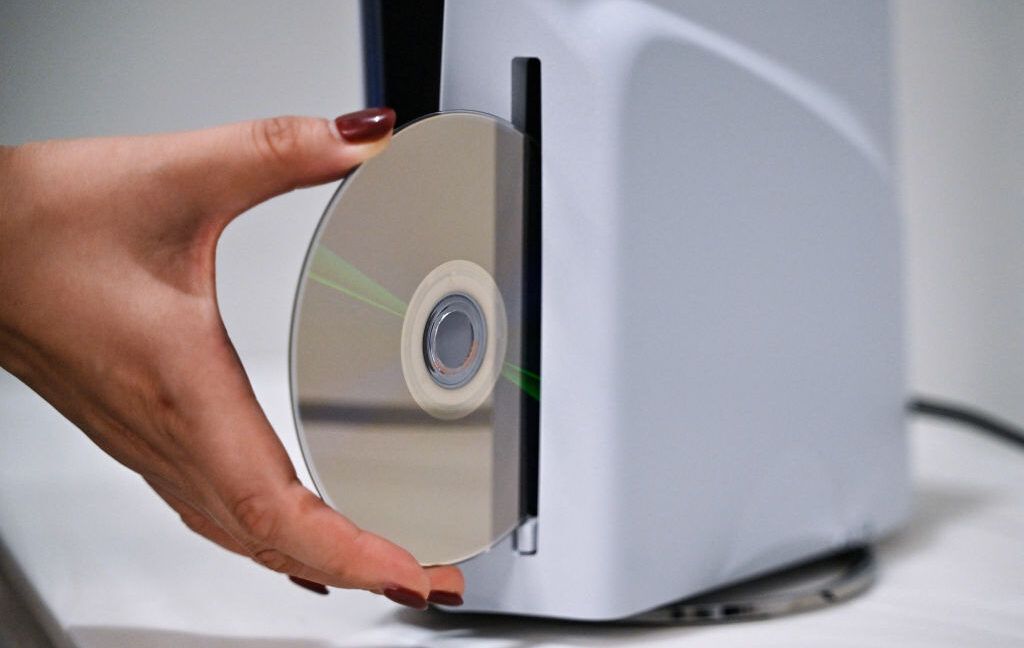
The gaming world is bracing for change as Sony signals its intention to halt the sale of physical PlayStation game discs in 2028. For many dedicated fans, this announcement might raise an eyebrow, suggesting a shift away from tangible gaming experiences. However, the rationale behind this major corporate pivot isn’t driven by whim; it is grounded in stark economic realities revealed by long-term market data.
New analysis tracking physical game sales has painted a picture of a market that has been steadily shrinking for years, suggesting that the decline was already well underway long before Sony pulled the plug. Circana analyst Mat Piscatella tracked these trends in US physical game sales dating back to 2003.
Looking back at the peak, the physical disc market reached its zenith in the 12 months ending June 2009, when a massive 297 million units were sold across the United States. Since that peak, however, the trajectory has been one of steady decline, illustrating how quickly consumer behavior shifts.
This historical data reveals just how dramatically sales have fallen in recent years. In the last 12 months alone, physical game unit sales in the US have plummeted to only 37 million units.
The scarcity of these sales points to a much smaller overall market capacity. Piscatella’s research further illuminated how physical copies were once more common: in 2008, at least 100 PlayStation games sold 100,000 physical units each. Today, the ceiling for these sales is far lower.
The current landscape is even more telling. In 2026, only seven PlayStation games have managed to sell over 100,000 physical copies in the US. Even the top-selling physical game has sold a modest 275,000 units year-to-date.
Ultimately, while the emotional connection to physical media remains strong for many gamers, the economic forces have made the shift inevitable. Sony’s decision reflects a hard look at market trends, recognizing that the future of gaming commerce is increasingly moving toward digital distribution and subscription services rather than physical inventory.
Buy on Amazon
Credit