Sony Gagged Staff Over Killing Discs Controversy Strict Guidelines
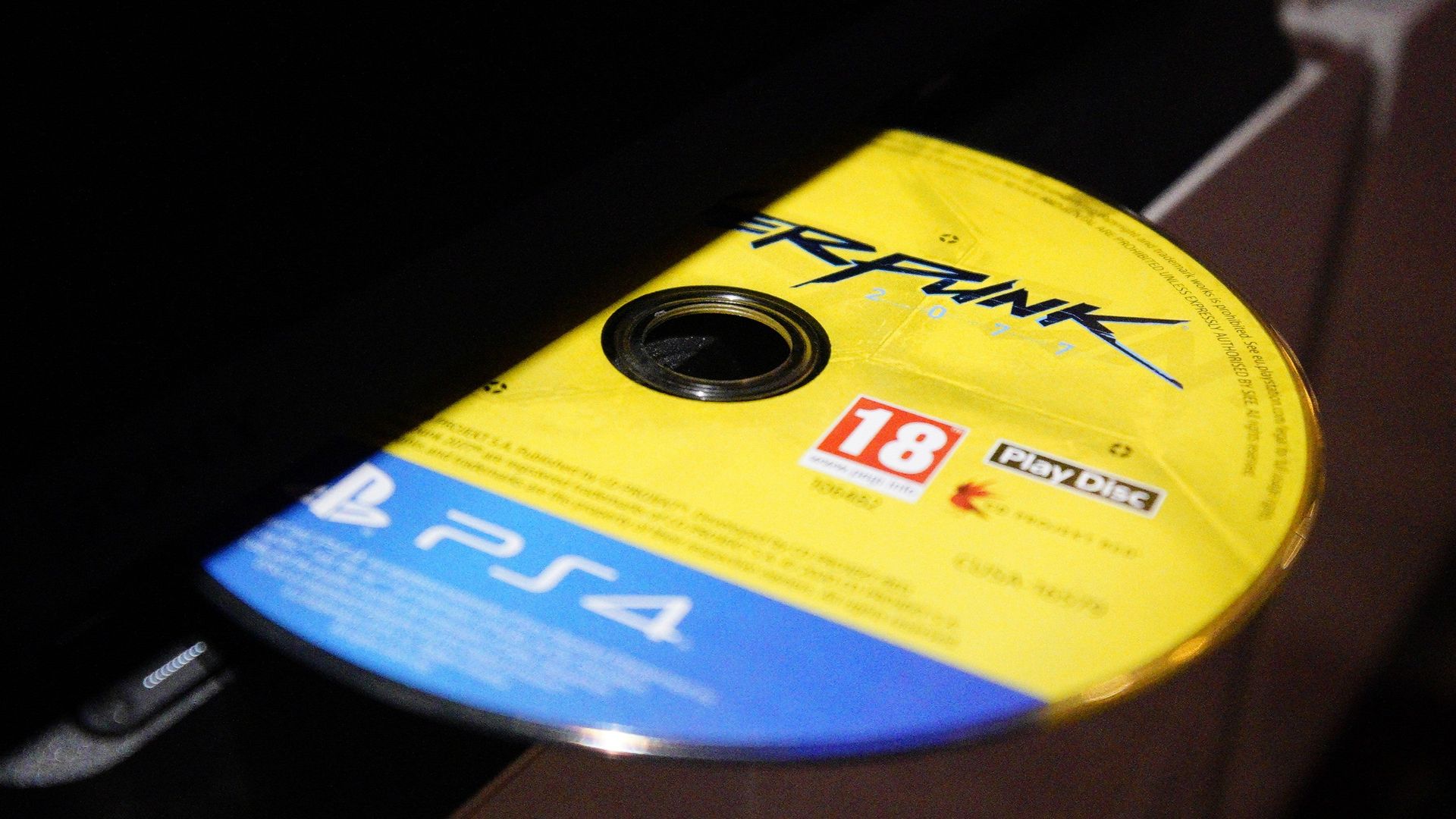
In a move that sent shockwaves across the gaming world, Sony has officially decided to end the physical disc era for new PlayStation 5 game releases. Starting in 2026, new titles will be exclusively available through digital storefronts, marking a significant shift away from the tradition of boxed game sales.
This decision immediately ignited a firestorm of public and fan outrage. For many gamers who cherish owning a physical copy, the move felt like a betrayal of long-held habits. The backlash was immediate and intense, prompting massive protests and petitions aimed at reversing the corporate strategy.
But behind the pivot to all-digital sales lies a cold, hard financial calculation. Sony Interactive Entertainment argues that this change is simply following consumer trends, aligning with how the broader entertainment industry is moving toward digital media consumption. As Sid Shuman, Senior Director, explained, the transition is about adapting to community preference:
“As consumer preferences and the broader entertainment industry continue to shift away from physical discs to digital, physical game disc production for all new games releasing on PlayStation consoles will be discontinued starting January 2028,” Shuman noted. “This transition will enable us to align more closely with how most of our community prefers to access and play games today.”
The logic is stark: digital sales offer superior financial returns. For Sony, the profit margins are significantly better when dealing in digital formats. This advantage becomes even clearer when comparing revenue streams. For first-party titles like The Last of Us, selling a physical copy yields less profit for the company than selling digitally. While a physical copy might return around 65% of the money to Sony, digital sales allow the company to keep 100% of that revenue.
This disparity is even more pronounced when looking at third-party games. For licenses like Call of Duty published by Activision, the difference in revenue allocation further incentivizes a fully digital approach for Sony. The move streamlines operations and maximizes revenue in an increasingly digital marketplace.
Despite the corporate rationale, the emotional response from the community remains strong. Over 335,000 people signed a petition calling on Sony to reconsider its decision, demonstrating the depth of the opposition to eliminating physical media entirely. Fans have taken action, with some canceling subscriptions like PlayStation Plus in protest.
Yet, experts suggest that this public storm will ultimately fail to sway the company. Dr. Serkan Toto, CEO of Japanese game industry consultancy firm Kantan Games, pointed out that even widespread protests would be a minor inconvenience for a giant like Sony. With over 120 million active PlayStation users and substantial digital revenue streams, he suggested that protesting would represent only a tiny fraction of Sony’s overall business.
The takeaway is clear: while the debate rages between physical ownership and digital convenience, Sony appears resolute. The company has made its strategic choice based on market trends and lucrative financial opportunities, seemingly prepared for the inevitable online reaction as they move forward with their plan to transition fully to digital game distribution.
Buy on Amazon
Credit