Sony: You Don’t Own Digital Games
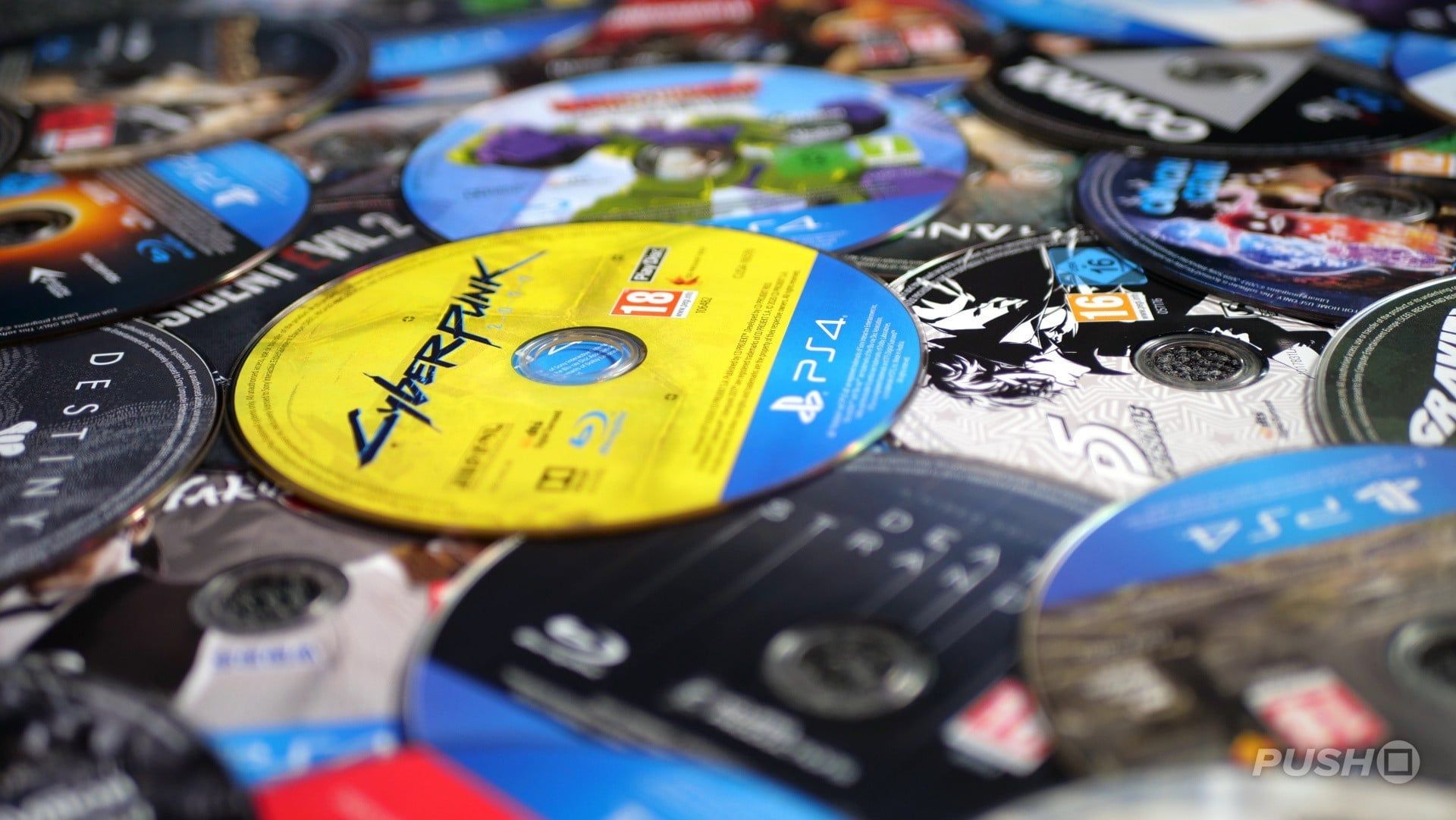
The Digital Dilemma: Are You Buying a Game or Just a License?
In the ongoing saga of digital ownership in the gaming world, a legal battle is heating up over a fundamental question: what exactly do consumers purchase when they buy a video game? The core dispute centers on Sony’s decision to halt the production of PlayStation discs, a move that has sparked significant legal challenges from those who argue that the transaction itself is fundamentally mislabeled.
A group of plaintiffs has taken Sony to court, arguing that the terminology used by the PlayStation Store blurs the critical line between owning a physical product and simply purchasing a temporary license to access content. They contend that phrases like “Buy Now” and “Confirm Purchase” suggest ownership of the video game itself, rather than the license that grants access to play it.
This dispute escalated when the matter reached a court appearance in California, where the plaintiffs sought to clarify that the way the PS Store operates creates a misleading impression of ownership for the end-user. Their argument posits that if consumers are truly acquiring a license, the language used must reflect that reality, rather than implying a transfer of property.
The situation highlights a growing tension between corporate digital commerce practices and consumer expectations regarding digital goods. While companies push forward with new distribution models, the legal challenge insists that transparency and clear language are paramount when dealing with ownership.
Ultimately, the case forces a wider conversation about digital rights. It asks whether the way we transact online needs to evolve to accurately reflect the nature of the items we purchase. The fight over the PS Store reflects a larger push for clarity in an increasingly complex world of digital assets and licensing.
Buy on Amazon
Credit