Spider-Noir canceled after one season despite 11 Emmy nominations
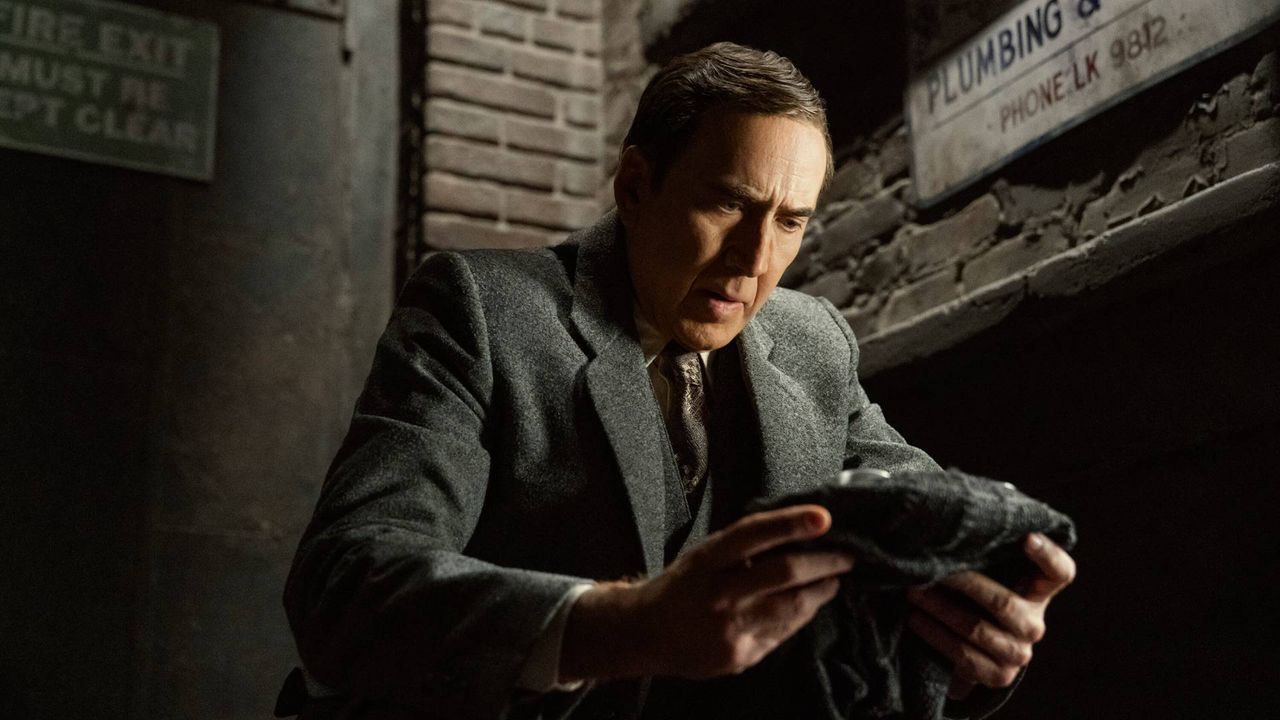
In the high-stakes world of streaming television, even the most critically acclaimed and buzzed-about projects sometimes hit an unexpected pause. The fate of Spider-Noir, despite its critical praise and multiple Emmy nominations, is not heading for a second season on Prime Video.
This decision raises interesting questions about the economics of superhero television. While Amazon MGM Studios and Sony Pictures Television are continuing their multi-title deal to explore the vast universe of Marvel characters, the cancellation of Spider-Noir suggests a calculated focus on maximizing streaming numbers for future investments.
The financial perspective is particularly telling. Reports indicate that the first season of the series demanded a substantial investment, reportedly around $400 million. For studios to justify pursuing a second season of a project with such a high-budget history, the expectation is clear: the show must deliver blockbuster streaming metrics.
This shift in strategy follows previous moves in the genre. We’ve seen ambitious attempts at spin-offs, such as Silk: Spider-Society, which ultimately did not make it into production. Spider-Noir is now the second project to navigate this demanding path, hinting at a wider industry trend where creative ambition must constantly wrestle with commercial viability.
Spider-Noir itself offered a distinct vision, positioning Nicolas Cage as a jaded, down-on-his-luck private detective grappling with the mantle of a Spider, facing off against classic Rogues Gallery villains like Sandman and Silvermane. Critics were drawn to the series for its originality and Cage’s wonderfully odd performance, earning it a strong 91% rating on Rotten Tomatoes.
The series offered viewers a unique take on the superhero mythology, streaming now in both black-and-white and color formats on Prime Video. While the season concluded, the creative DNA of this ambitious project remains a fascinating piece of television history, underscoring the delicate balance between artistic vision and the relentless demands of the streaming market.
Credit