
Spite fueled win SonicFox beat Marvel Tokon
The Art of Spite: How a Tournament Win Silenced Critics in the World of Fighting Games
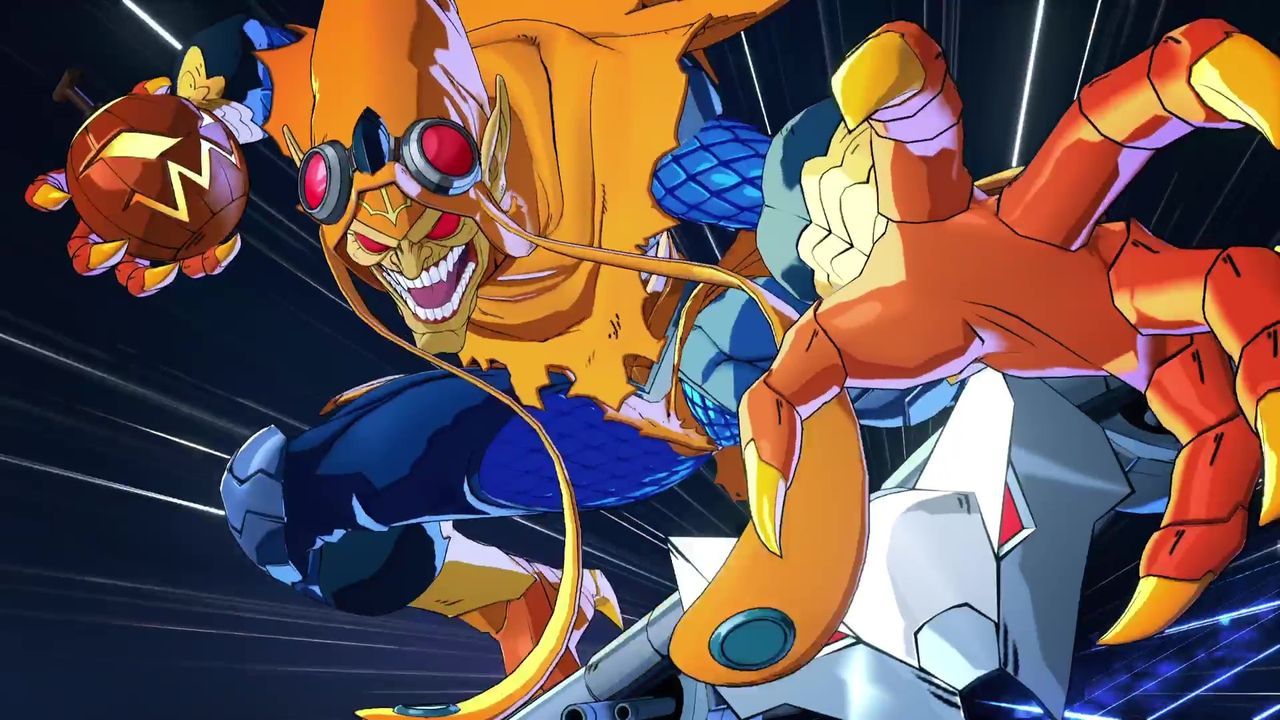
In the fiercely competitive arena of fighting game development, sometimes the greatest victory isn’t about skill alone, but about the sheer will to push back against criticism. This sentiment was perfectly embodied by SonicFox, the celebrated icon of NetherRealm titles, who recently claimed a major tournament victory in the debut of Marvel Tokon: Fighting Souls.
The tournament, held during the CEO 2026 event, drew a massive field of 1,057 entrants—a testament to the enduring appeal of competitive gaming. Among the contenders were heavyweights like Justin Wong, Leffen, and, of course, SonicFox, who ultimately emerged victorious from the Losers Top 8.
Yet, this win carried a unique weight. It arrived in the wake of SonicFox’s earlier, candid criticisms of the new title during its beta phase. Back then, the player had voiced concerns that the game “needs way more work still since so many decisions don’t make a lot of sense,” while acknowledging that the characters were genuinely interesting, but heavily restricted by the game itself.
These early critiques sparked a lively debate, with some fans suggesting the concerns were merely a “skill issue,” while others felt the negative comments were an attempt to discredit the game by using the fact that SonicFox primarily played games like Mortal Kombat as an excuse.
The moment SonicFox secured the tournament title, they took to social media to offer a perspective that cut through the noise. They argued that the win should make people “actually shut the fuck up and let me voice my opinions on the game,” dismissing the idea that one couldn’t be “good” at a game simply because of its quality.
Adding a layer of pure, unfiltered emotion, SonicFox stated that the triumph was “purely out of spite.” This declaration highlighted the tension between professional skill and personal frustration, turning the competitive success into a powerful statement about player agency and opinion.
While the competitive narrative was unfolding, the reality of Marvel Tokon: Fighting Souls‘ launch presented a different picture. The game struggled out of the gate, facing challenges that tested the patience of its community. Initial reports highlighted rough PC performance, a lack of Linux support, and the requirement for a PSN account, which effectively locked players out of the game in certain regions.
These technical hurdles contributed to a mixed reception, with some seasoned players finding the game enjoyable but noting it was one of the “worst fighting game launches.” Furthermore, this performance gap has led analysts to speculate that the reported sales figures of 485,000 copies sold could have been significantly higher had the PC version been free of such technical instability.
Ultimately, the story of Marvel Tokon: Fighting Souls is a classic tale of development battling expectation. It shows how a game can struggle with technical flaws and accessibility while simultaneously inspiring a player to demand a seat at the table—a powerful reminder that sometimes, the most satisfying wins come not just from the scoreboard, but from asserting one’s right to speak.
Buy on Amazon
Credit