Square Enix confirms KH art wasn’t AI human error revealed
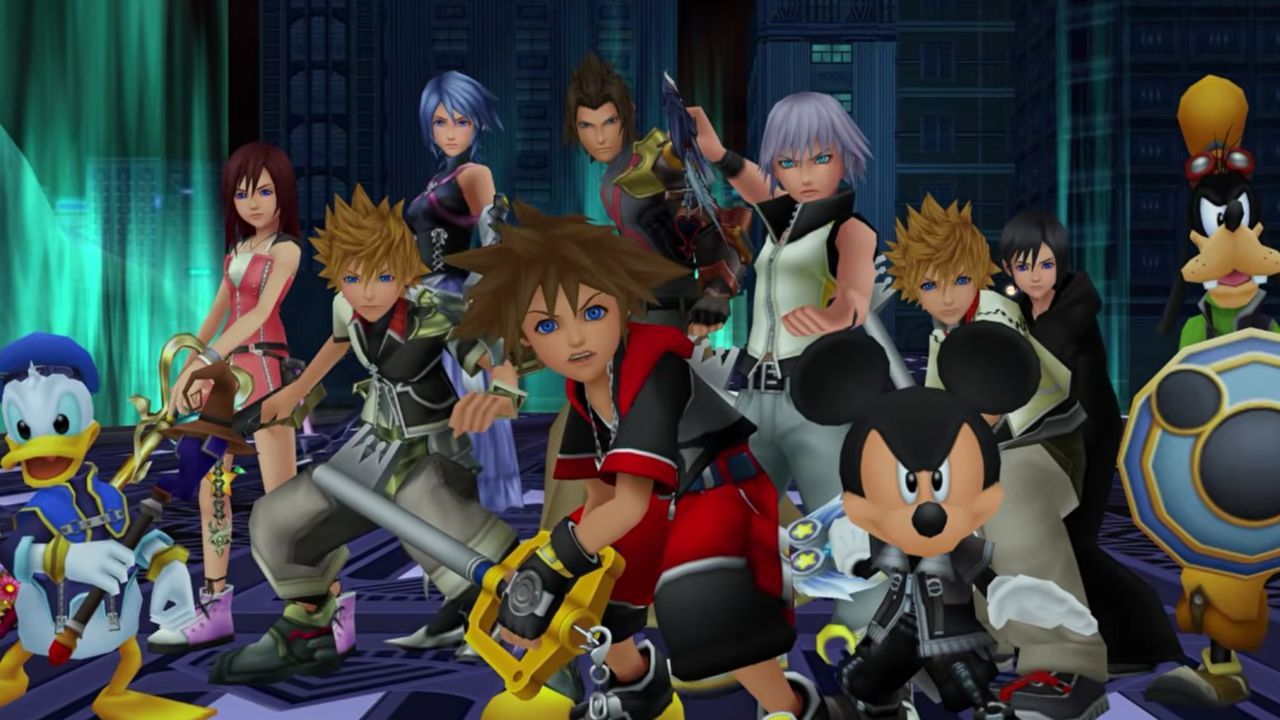
The anticipation for the Kingdom Hearts Collection has been palpable, especially among Nintendo fans eager to see the mainline trilogy bundled together on the Switch 2. But as the buzz built around this anticipated release, a splash of controversy emerged concerning the collection’s promotional artwork, sparking accusations that the visuals were generated by artificial intelligence.
This outcry focused specifically on the cover art, which immediately drew scrutiny. While the project itself was generating excitement, the aesthetics presented fans with a stark visual conflict. The concerns weren’t just abstract; they were highly specific, pointing out details that seemed glaringly off, making the community question the quality and authenticity of the assets.
The complaints detailed a long list of visual inconsistencies. Fans pointed out issues ranging from subtle anatomical errors—such as Donald Duck displaying three fingers on one hand and four on the other—to more complex technical flaws in the background details, like muddy gears around the clock tower. Even minor elements, such as inconsistent sizes on Keyblade keychains, contributed to a growing sense that something was amiss with the final product.
These specific observations led many to speculate about the use of generative AI in the creation process. The nature of modern AI imagery often involves composite pictures built from other assets, which explains why some elements appeared strangely mixed or imperfectly rendered, fueling the suspicion that the art was machine-made rather than handcrafted.
In response to the widespread feedback, Square Enix issued a statement addressing the concerns directly. The company clarified that the visual assets were entirely manmade and were created by their development team, not through generative AI. They acknowledged that the issues highlighted by the community stemmed from human error during the creation process.
“We’re aware of feedback regarding recent Kingdom Hearts visuals,” a Square Enix representative stated. “These assets were created by our development team without the use of generative AI, and the issues resulted from human error.”
Despite the clarification, the visual journey for the collection is proving to be an iterative process. Square Enix has since implemented revisions, focusing on improving the quality of the artwork where necessary. New versions have been released, with some of the specific errors—like Donald’s hands—being corrected in subsequent drafts.
The goal remains ensuring that the final product delivers the high-quality experience fans expect. As the Kingdom Hearts Collection prepares for its October 6th launch, it serves as a fascinating case study in how digital creation intersects with public expectation and the ongoing quest for visual perfection in gaming.
Buy on Amazon
Credit