Stalker 2 Dev Hits Back on Xbox Exclusivity
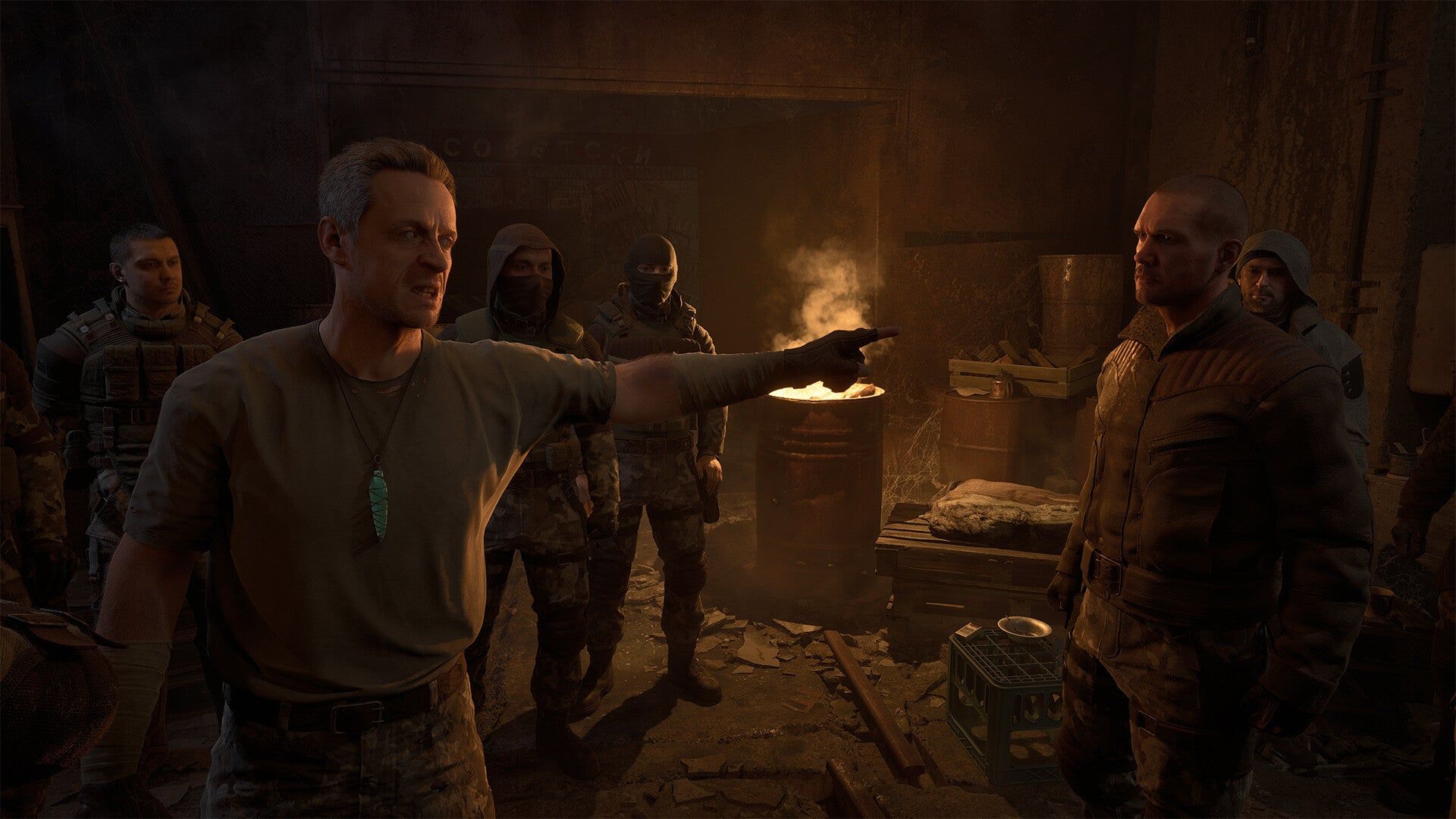
The relationship between game development, massive corporate deals, and the pursuit of profit often results in heated public statements. In the case of the beloved franchise Stalker 2, this tension played out publicly when the developer responded to questions about the financial arrangements surrounding its Xbox exclusivity.
GSC Game World, the studio behind the acclaimed title, issued a statement clarifying the situation. They insisted that founder Sergiy Grygorovych’s recent public comments regarding the money the company received for the Stalker 2 deal cannot be considered an accurate reflection of the actual state of affairs.
The company clarified that while the development was a monumental effort, the majority of the budget was funded by owner Max Krippa. GSC Game World further stressed that Grygorovych was not involved in the negotiations or the actual development process throughout the game’s production cycle. They maintained that honoring these agreements remains paramount.
The studio emphasized that the journey of creating Stalker 2 should be based on verifiable facts rather than subjective opinions, reflecting on the challenging nature of the project and the success it achieved upon release.
The game proved to be a financial success, achieving remarkable sales figures in the market. It sold one million copies in just two days and has since surpassed six million players, further bolstered by major expansions like Cost of Hope.
This success story is interwoven with Microsoft’s heavy involvement. Xbox secured exclusive rights and a day-one launch on Game Pass, actively participating in the production and marketing efforts alongside the developers.
Yet, the larger story touches upon the broader philosophy driving the industry. The strategic use of exclusivity and subscription services has led to intense debate over the sustainability of these models. Critics suggest that while Game Pass offered a vision for accessible gaming, it did not necessarily deliver the financial stability required to support massive content acquisition.
Industry figures have weighed in on this dynamic. One notable voice argued that the concept of Game Pass was fundamentally good—a way to bring more games and studios into the fold—but its execution failed to justify Microsoft’s enormous spending, particularly in acquisitions like Activision Blizzard.
This financial pressure has recently led to significant restructuring within Xbox, with reports indicating large-scale staff cuts. This shift underscores a growing realization that the vision behind platform growth must align with economic reality. The future of Game Pass, and Microsoft’s gaming business overall, remains a complex equation balancing ambitious ideals against market performance.
Buy on Amazon
Credit