Star Wars Galactic Racer Action Review
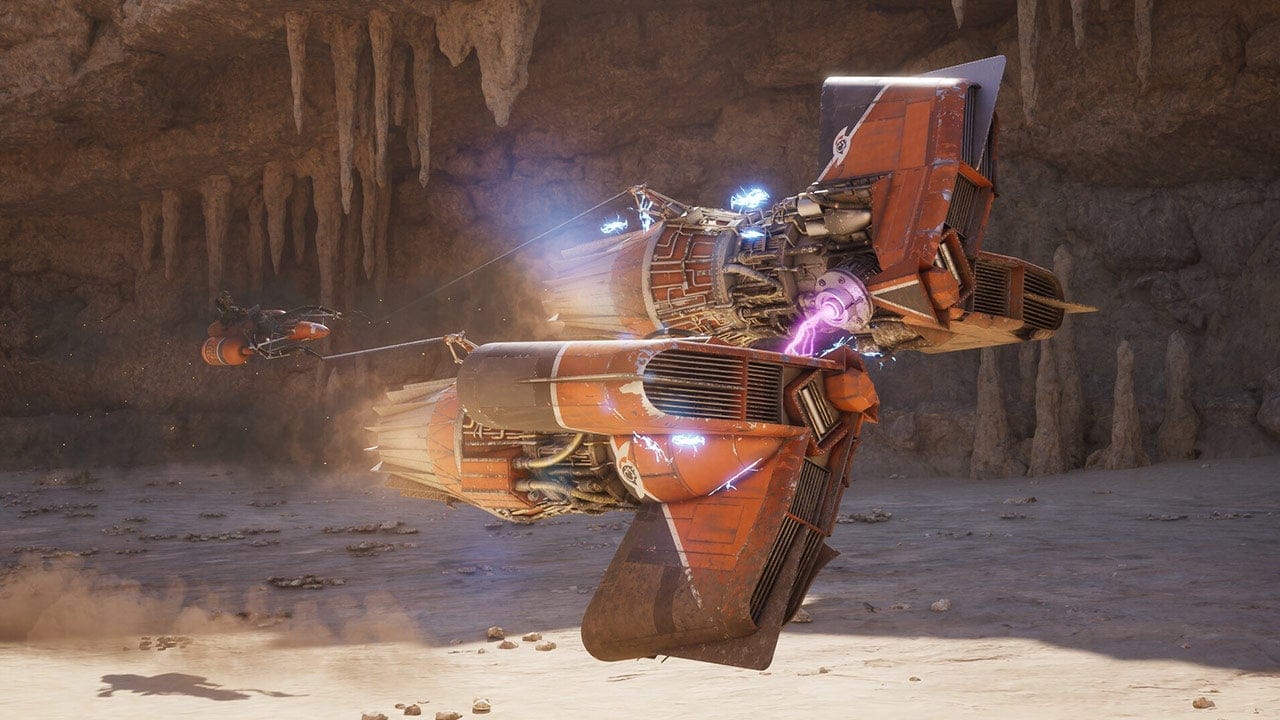
For a franchise as iconic as Star Wars, the idea of a new racing game feels like a monumental undertaking. Yet, developer Fuse Games’ Star Wars: Galactic Racer arrives in 2026, promising a fresh take that redefines the genre. While some might view this as baffling, the game manages to resurrect the spirit of Star Wars racing while introducing genuinely innovative mechanics and a breathtakingly realized universe.
Galactic Racer steps away from traditional racing formulas by adopting a run-based, roguelite-inspired campaign. This structure is designed to inject a palpable sense of risk and genuine danger into every lap. Unlike games that offer unlimited restarts, Galactic Racer mandates that players accept the consequences of their actions, creating a tension and meaning that elevates the experience. The absence of rewind functionality forces racers to engage with the track and their vehicles in a way that is far more immersive and tense.
The world of Galactic Racer is set in the aftermath of the Galactic Civil War, positioning podracing as a relic of the past. Despite this setting, the authentic sound design and incredible speed imbue the action with an old-school soul. The environment is rich and explorable, offering far more than just on-track action; players explore a dynamic world outside the race.
The vehicle roster is diverse and well-defined, featuring landspeeders, speeder bikes, and the newly introduced skim speeders. Landspeeders offer predictable handling and durability, while the bikes are fast but fragile. The skim speeders introduce a unique dynamic, allowing racers to bank vertically to slice through gaps, adding a new layer of tactical maneuverability.
The core challenge lies in building the perfect racer. Players must accumulate general stat upgrades, performance parts, and specialized perks, often earned or rationed randomly throughout the championship tours. Gadgets, such as the autopilot, are crucial for navigating treacherous sections, and the process of preparing for a race—including pre-flight checks—adds a tangible sense of anticipation to the start.
The vehicle customization system is clever yet challenging. Because speeders are scrapped between tours, players must constantly reconfigure their craft. While the ability to create replicas with cosmetic choices is appreciated, the necessity of constantly making tough choices about which upgrades to keep or discard challenges the player’s desire for ownership and attachment.
The narrative structure is thoughtfully designed, unfolding across multiple planets before culminating in a final knockout event. This structure allows players to fully explore the racing paddock at each event, building an authentic world that feels lived-in rather than merely shuffling through menu screens. Failures do not send players back to the beginning; instead, they allow them to return to the world, ensuring that progression and forward momentum are maintained.
The intergalactic environment is a standout feature, with each planet offering a unique track experience. Jakku features a chaotic graveyard of war wreckage, Crait is defined by sprawling caves, and Lantaana is a lush, lava-tube-linked forest. These settings are not just backdrops; they are dynamic elements that influence gameplay. For instance, on the frozen planet Ando Prime, players can strategically use heating tubes to manage their ramjet’s performance, adding a layer of physics-based puzzle-solving to the racing.
The game further encourages spectacle with its Burnout-inspired takedowns. When a speeder is slammed into an obstacle, the resulting fiery splintering is captured in slow motion, incentivizing players to optimize their vehicle upgrades to replenish battery power for these dramatic moments.
Galactic Racer ultimately succeeds by blending high-octane racing with compelling world-building and genuinely innovative gameplay mechanics. It offers a dynamic, risk-filled experience that successfully marries the thrill of high-speed competition with the fascination of a vast, explorable universe.
Buy on Amazon
Credit
