Star Wars Galactic Racer fixes driving game problems
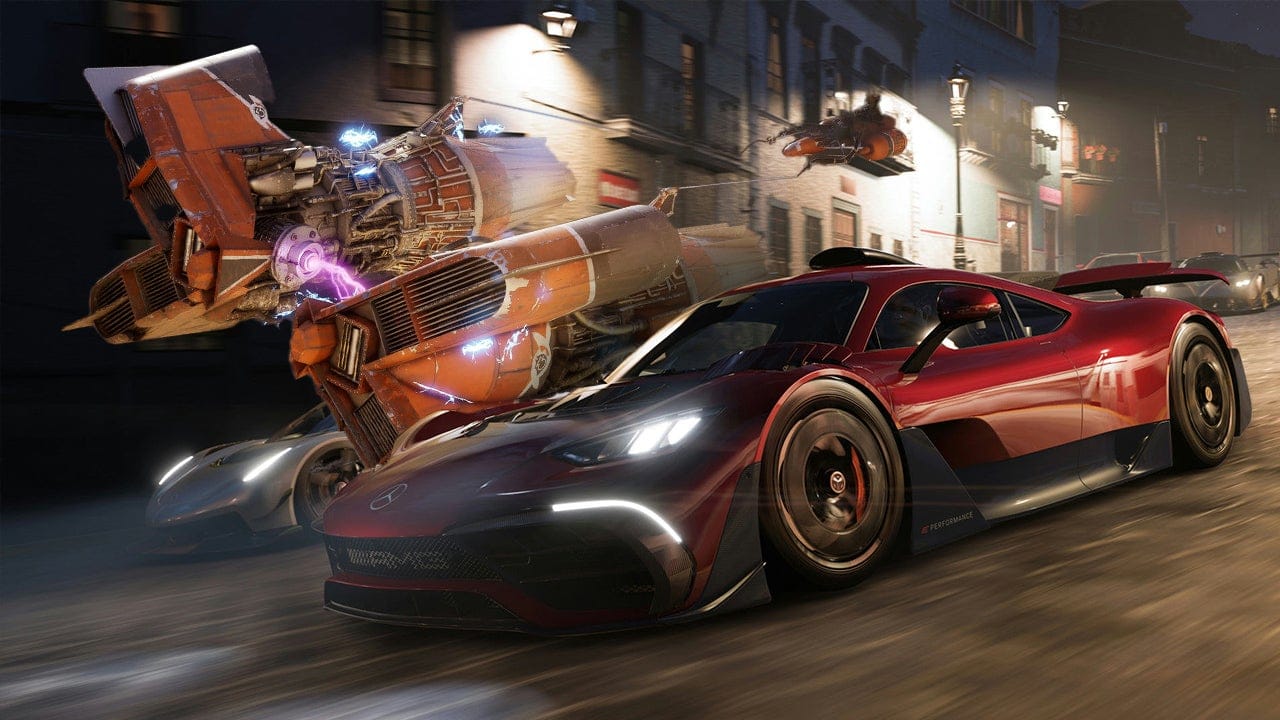
Racing games have long captivated us with their stunning visuals and realistic physics. Yet, despite decades of innovation in visuals, tire simulation, and physics modeling, the core gameplay structure often remains stubbornly repetitive. We’ve seen the familiar pattern of a player starting at the bottom of a large pile of events and slowly climbing toward the fastest cars. It feels like a cycle we’ve repeated countless times.
This predictable progression has led many developers to ask: why hasn’t the genre yet embraced a structure that injects genuine, meaningful consequences into the racing experience? The answer lies in the concept of risk and reward, a dynamic that is currently underdeveloped in many racing titles.
A radical new approach suggests flipping this structure. Instead of focusing on a linear path of championships, imagine a system based on variable, run-based sequences of events. In this model, players would choose from different scenarios, each carrying unique risks and rewards. Failure wouldn’t just mean resetting a chapter; it would mean facing immediate, tangible consequences, forcing a re-evaluation of every decision.
This shift introduces a vital element that has been missing: genuine consequence. In many racing games, the time spent crashing or failing is minimal, allowing players to focus purely on speed. But when the outcome truly matters—when a wreck affects your vehicle and your progression—the experience deepens immensely. As one expert noted, gaming is risk-reward, but the risk must have a consequence.
Consider the blend of open-world racers like Forza Horizon, which prioritize a malleable, failure-proof experience, versus the more structured career modes found in simulations. While open-world games offer freedom, they can dilute the sense of achievement. A system built on risk, however, offers something far more compelling: an emergent narrative where failures sculpt your journey.
The real innovation comes when this structure is combined with build experimentation. Instead of simply racing, players could discover how different status effects—such as overheating on a desert planet or engine freezing in glacial plains—interact with vehicle modifications. These elements transform race runs into a dynamic playground where players actively design their vehicle builds to mitigate or exploit environmental challenges.
This mechanic turns seemingly negative status effects into strategic assets. Players learn to navigate tracks by finding shade, seeking ramps over corrosive pools, or optimizing engine performance to harness volatile conditions. This moves the focus from merely mastering the track to mastering the vehicle and its environment.
Furthermore, the micro-interactions during a run can be integrated into the story. Simple elements, like pre-race checks that make a player feel physically connected to their vehicle, or rewards for successfully executing maneuvers, can become integrated into the run’s narrative. A successful repair might depend on the credits earned from a specific risky run, weaving small decisions into the larger fabric of the gameplay.
This system has the potential to profoundly shake up the genre. Imagine a driver career where a crash doesn’t just cost credits, but affects the long-term viability of the career, or where facing legal repercussions in a street racer game impacts your entire career progression. This level of consequence could elevate hardcore simulators and open-world titles by rewarding experimentation and fostering emergent storytelling.
Ultimately, this approach moves racing from a simple progression model to an emergent narrative engine. It allows players to make critical choices that matter, transforming the act of racing into a dynamic series of experiments where failure is a lesson, and success is a carefully earned victory.
Buy on Amazon
Credit
