State of Decay 3 looks great despite the Xbox Upheaval
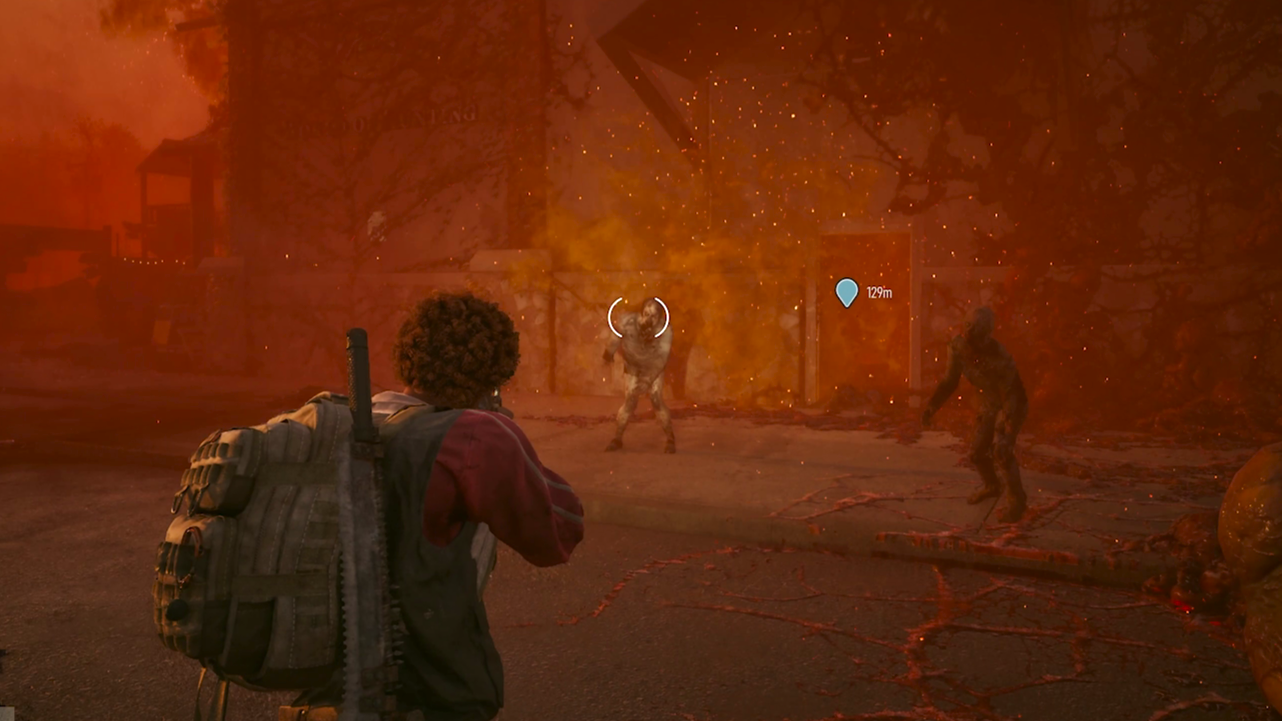
The world of survival games often throws curveballs, but for fans of the State of Decay series, the current development of State of Decay 3 is proving to be less about the chaos and more about meticulously managed, evolving survival. Amid the broader shifts within the Xbox ecosystem, the focus has turned intensely to the future of the zombie survival genre, and what Undead Labs is building is shaping up to be a substantial evolution of the franchise.
Early previews, including hands-on demos at gamescom 2026, suggest that the immediate gameplay experience is significantly smoother and punchier than previous entries. The improvements in gunplay and movement transform the moment-to-moment combat from a frantic scramble into something more tactical. It feels less like a desperate sprint and more like a proper third-person shooter, allowing players to experiment with tactical moves—from using silenced pistols for precise headshots to executing fluid takedowns.
But State of Decay 3 is more than just refined shooting; it remains fundamentally a management simulation. The core experience hinges on community management and base-building, but these systems have been deepened considerably. Facilities no longer follow rigid upgrade paths; instead, they branch out, specializing in specific functions. This complexity is tied directly to the character roster, introducing a deeper trait system that adds incredible depth to survivor management.
Every procedurally assembled character now possesses unique perks and quirks that interact with the environment. For example, a survivor might have a trait that demands more water to maintain their living space, which creates a fascinating trade-off when deciding whether to use them for base defense or in the field. Similarly, traits like specialized training—such as sniper ability or enhanced injury vulnerability—meaning that how you assign survivors to facilities and deploy them in combat becomes a strategic puzzle. Managing a large group of 30 or more survivors, each with unique traits, introduces a dynamic layer of complexity that promises long-term engagement.
The open world itself is equally dynamic. The game emphasizes large-scale territory control, where the primary objective shifts to managing infestation networks. When players pull up the map, they witness sprawling plague nests and infested settlements that constantly threaten to resurface. This creates intense, large-scale battles where players must identify and destroy the core of the infestation, often requiring coordinated efforts to eliminate four weak points scattered across a location.
This dynamic interplay between combat and management is key. It requires players to juggle the immediate need to fend off hordes of zombies with the long-term simulation of keeping survivors alive by gathering essential resources. This blend of action and strategy ensures that the simulation of survival—the logistics of food, water, and utilities—runs continuously in the background, keeping the stakes high.
Multiplayer is also a feature, offering drop-in/drop-out co-op sessions where players can freely explore the open world together. Furthermore, the team has introduced elements of dynamic difficulty, ensuring that players are challenged appropriately without being overwhelmed by the sheer volume of the zombie threat. While technical performance in the early alpha build showed some rough edges, it is clear that these systems are being refined.
The promise of State of Decay 3 lies in successfully fusing the familiar, high-stakes survival management of the series with a truly engaging third-person shooter experience. With a closed playtest scheduled toward the end of 2026, the path is set for a full release in 2027 across Xbox Series X|S, PlayStation 5, and PC via Steam, offering a robust and deeply engaging survival adventure.
Buy on Amazon
Credit