Steam Deck 2 Rumours Heat Up Over AMD APU News
The quest for the next big handheld gaming experience is heating up, and the latest whispers point toward a seriously customized chip designed to redefine portable performance. The focus is squarely on AMD’s rumored next-generation silicon, which is generating significant buzz among hardware enthusiasts and industry watchers.
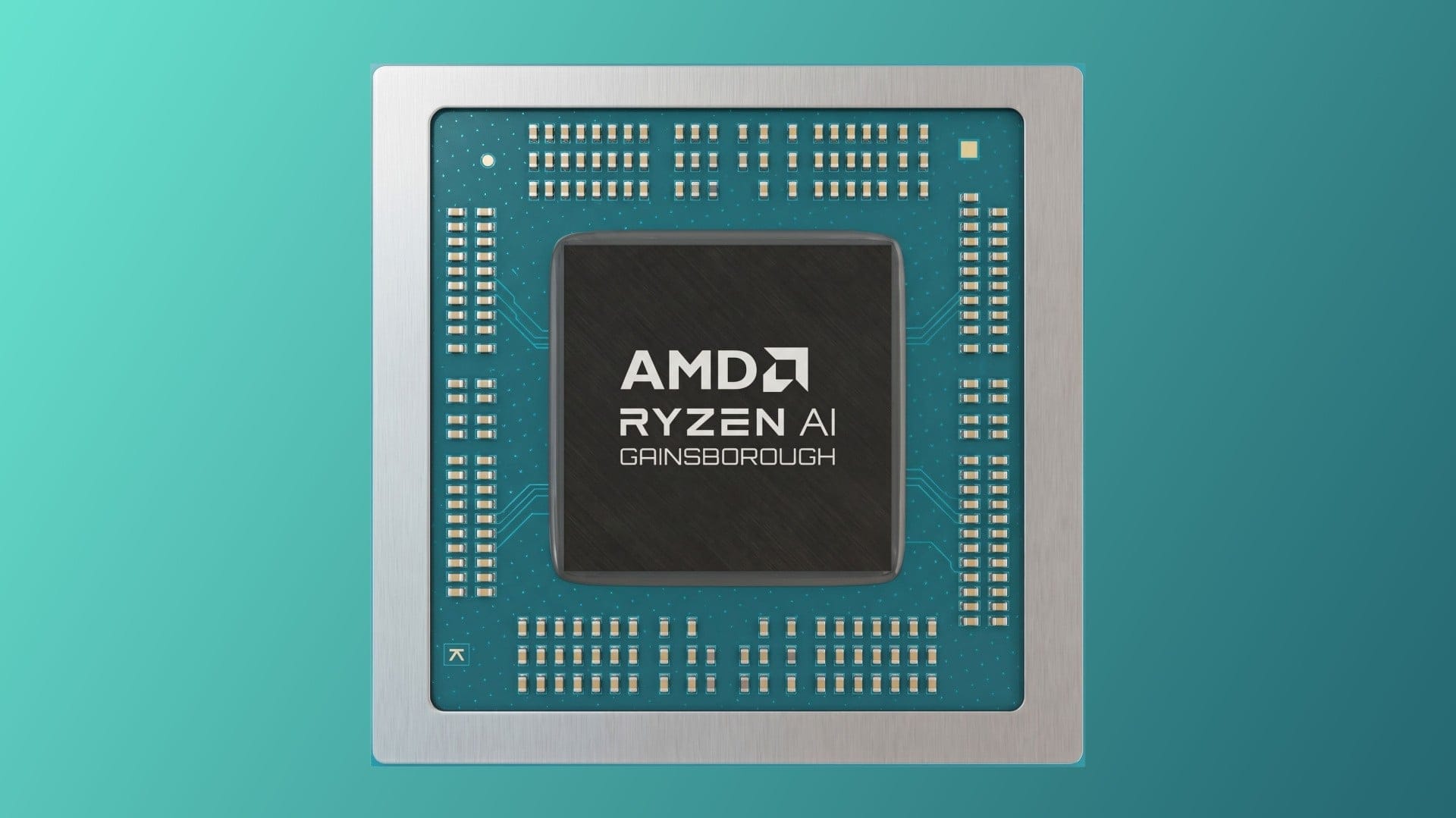
At the center of this speculation is the “Gainsborough” APU, a semi-custom design being floated as the potential engine for the upcoming Steam Deck 2. While this remains firmly in the realm of rumor, the details emerging about Gainsborough suggest a significant leap in architectural design.
Insiders suggest that Gainsborough is essentially a highly tailored version of AMD’s Z3 and Z3 Extreme silicon. This customization implies that the developers are not just taking existing technology, but fine-tuning it specifically for the demands of portable gaming.
The computational core of this new APU is where things get interesting. Reports indicate a sophisticated six-core CPU setup, featuring four Zen 6 cores paired with two lower-power Zen 6c cores. This configuration promises a powerful and efficient performance profile, balancing raw speed with power management essential for battery-powered devices.
The graphics capabilities are equally striking. The GPU side of the Gainsborough chip is reportedly a 12CU design utilizing an RDNA 4m architecture. This isn’t just an incremental update; it suggests an RDNA 4 machine learning silicon built atop an RDNA 3 backbone, offering performance reminiscent of RDNA 3.5 rather than a full-fat RDNA 4 implementation.
Underpinning this impressive architecture is production excellence. The entire package is being built using TSMC’s N3P process, a testament to advanced manufacturing technology. Furthermore, power management seems to be a key focus, with power envelopes rumored to range between 15W and 25W, aiming to keep performance high without draining the battery too quickly.
While the anticipation for a next-gen Valve handheld remains high, the emergence of the Gainsborough APU signals that the hardware groundwork for portable gaming is evolving rapidly. The focus is clearly on creating a powerful, efficient, and highly customized chip that pushes the boundaries of what handheld devices can achieve.
Buy on Amazon
Credit
