Steam Deck demand craters
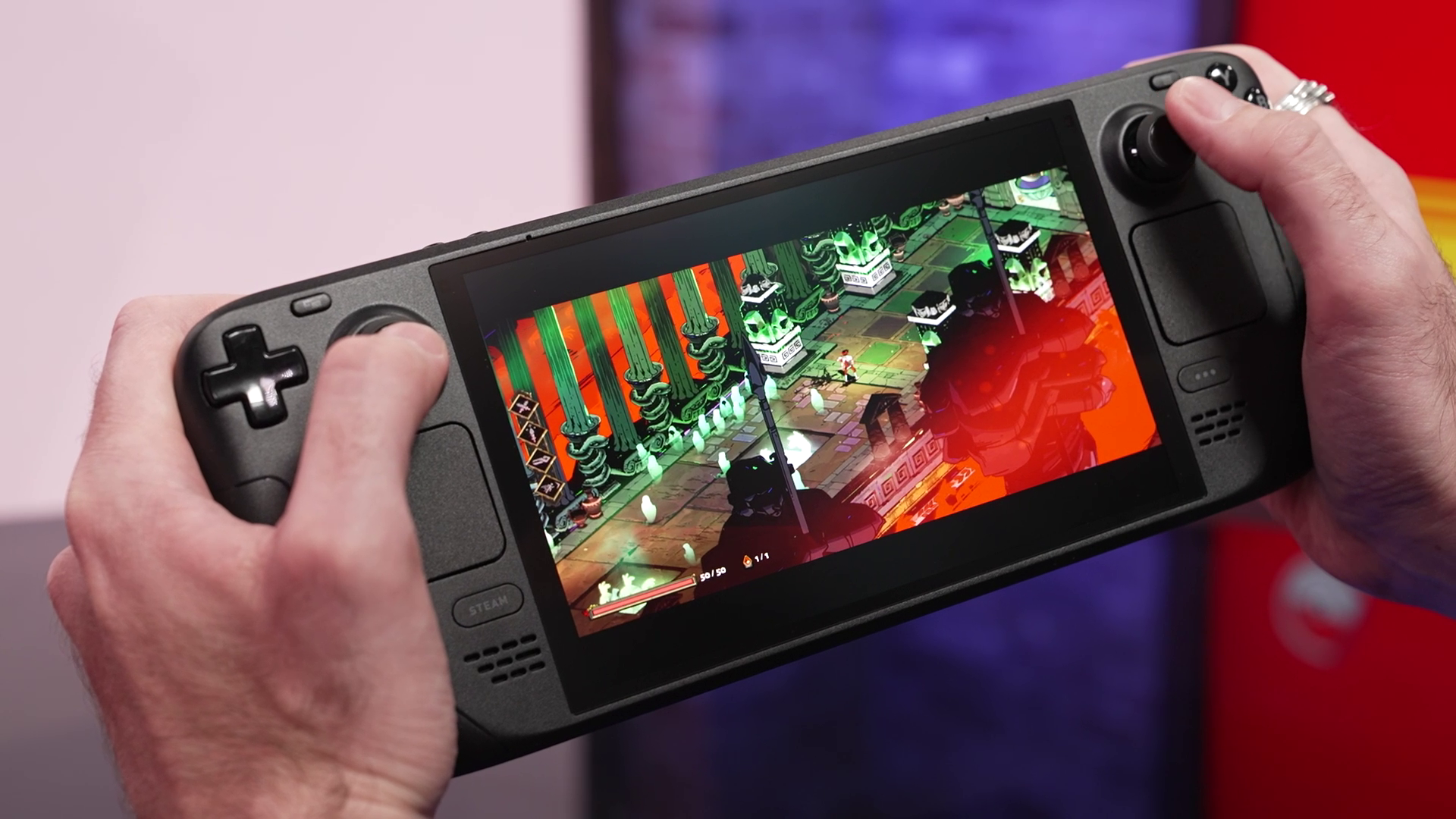
The Steam Deck once held a comfortable spot as the budget champion among handheld gaming PCs. It offered an accessible pathway into portable gaming, establishing itself as a solid contender even as more powerful machines like the Xbox Ally X entered the market. However, following Valve’s decision to raise its price point, the momentum for this popular device has stalled dramatically.
Market observers suggest that demand for the Steam Deck has faced a severe contraction in recent months. Estimates indicate that sales have plummeted by as much as 82% compared to the previous year. This decline is reflected in its ranking on major retail charts, slipping from a near-constant fifth place among Steam top sellers down to position #14. This shift suggests a theoretical revenue drop of around 72%.
When factoring in the new price tag of $789, many consumers are finding the proposition less appealing than it once was. In the current landscape, the Steam Deck is arguably offering a less compelling value proposition when compared to rivals like the Xbox Ally or the Lenovo Legion Go S. This sentiment holds true unless a user is deeply invested in the unique tactile experience offered by the Deck’s haptic trackpads.
Despite the current market cooling, there remains potential for the Steam Deck to regain traction. The device’s popularity may rebound if competitive pressures force other manufacturers to adjust their pricing strategies. For instance, if competitors like the white Xbox Ally implement price increases, the relative competitiveness of the Steam Deck could improve.
However, any optimism must be tempered by broader economic realities that suggest prices are unlikely to dip soon. The wider technology market is currently grappling with significant cost pressures. Valve itself has noted a lag between supplier pricing and retail costs, and larger industry shifts—such as Microsoft’s scheduled price increases for the Xbox Series X and S models, alongside rumors about memory costs potentially increasing fivefold—point toward continued price hikes across the board.
Ultimately, the handheld PC arena is entering a period defined by affordability versus performance. While innovation continues to drive hardware forward, consumers are now balancing aspirational gaming experiences against rapidly escalating system costs and fluctuating market demand.
Buy on Amazon
Credit