Steam Deck sales crash 82% My surprised face
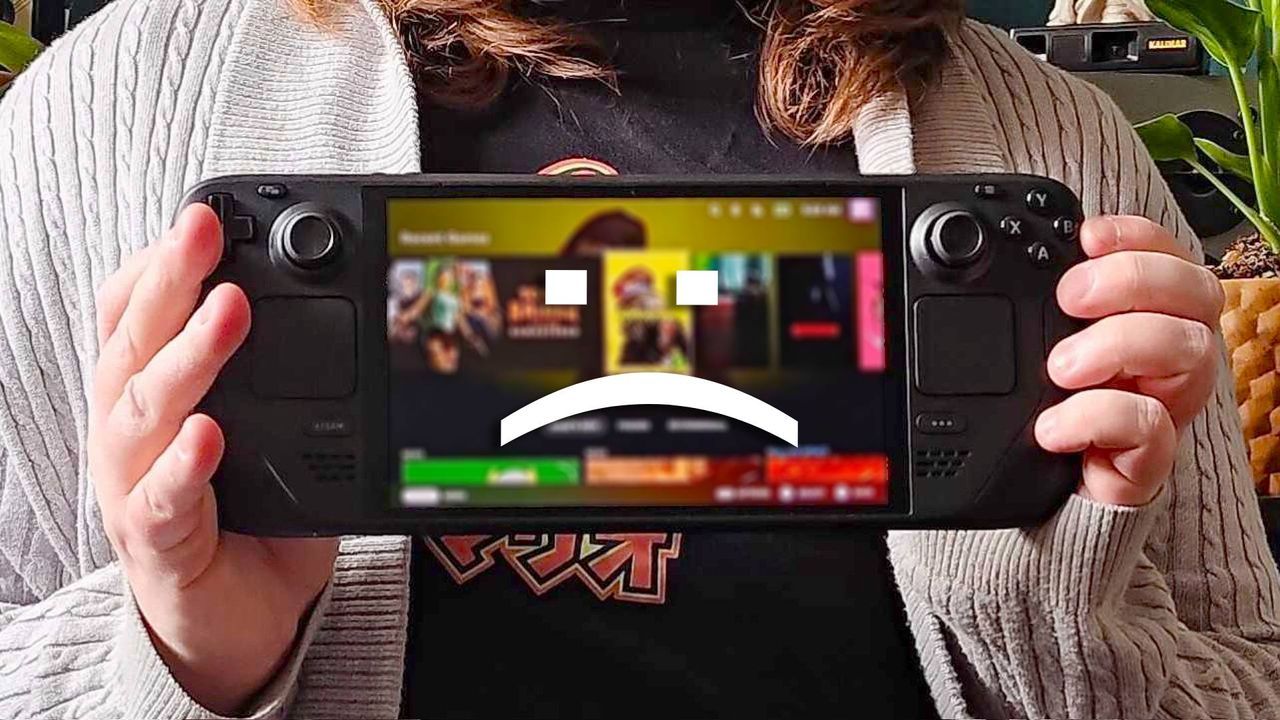
The Steam Deck has long been hailed as a triumph in portable gaming, yet recent figures suggest that this beloved handheld is navigating some choppy waters. While some point the finger squarely at Valve’s price adjustments for the drop in sales, the reality of the market dip tells a more complicated story about the evolving landscape of handheld gaming.
Estimates indicate a significant shift in demand. Where the Steam Deck was previously moving between 11,000 and 18,000 units per week, that impressive volume has reportedly plummeted by an astonishing 82%. Analysts tracking sales suggest this decline is now reflected in a much narrower range, with activity estimated between 1,400 and 3,000 handhelds weekly.
This drop in volume translates into a substantial hit on revenue. Initial estimates suggested that the portable was pulling in between $6 million and $10 million per week; following the decline, potential weekly revenue has reportedly dropped to the $1.2 million to $2.5 million range.
Even with an increase to the Steam Deck OLED model, which saw a price jump of over 40%, the market reaction wasn’t entirely what was expected. Many observers argue that the handheld was never intended to occupy the upper premium bracket of portable gaming, especially when competitors like the ROG Xbox Ally X are readily available just under $1,000.
The narrative shifts from pure pricing to broader market trends. Some speculate that the hesitation among buyers might be linked to a growing investment in the Steam Machine itself, with consumers opting to prioritize a mini PC setup over a handheld device for their gaming needs. Furthermore, given that many owners have already invested time in the Steam Deck, there is a natural pause before jumping into another iteration, perhaps waiting for the promised best retro handhelds or the next generation.
Ultimately, while pricing certainly plays a role in this market fluctuation, the Steam Deck is far from finished. It remains an extraordinary portable focused on the overall gaming experience rather than raw graphical power, and it is poised for a rebound once the current hype cycle subsides. The competition, meanwhile, continues to innovate, offering compelling alternatives that keep the handheld gaming arena dynamic.
Buy on Amazon
Credit