Steam Frame visual review Ars Technica
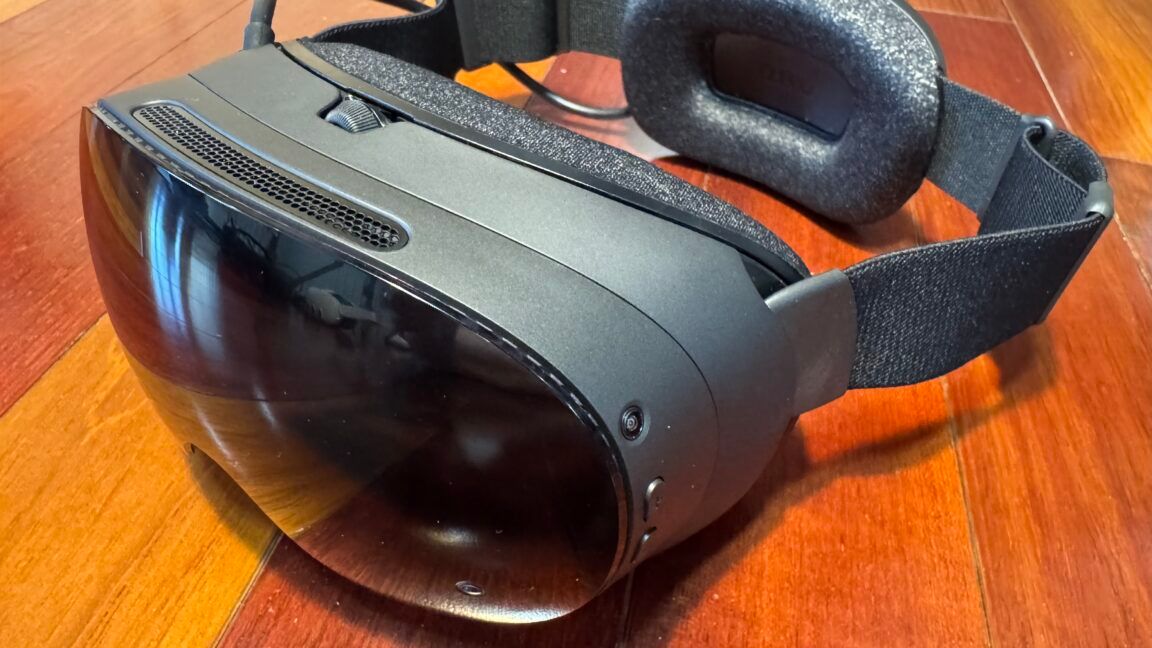
In the 2010s, the world of gaming was buzzing with the promise of virtual reality, and at the forefront of this revolution was Valve. With a clear vision, the company positioned itself as a major player in the PC-connected VR headset market. They established a powerful foundation through strategic partnerships, notably with HTC for the impressive Vive headset and the SteamVR platform, which quickly became the standard for immersive gaming experiences. This era culminated in groundbreaking titles like Half-Life: Alyx, demonstrating Valve’s commitment to pushing the boundaries of what gaming could be.
However, as the VR landscape rapidly evolved, a different trend began to take hold. The focus shifted toward accessibility and ease of use, leading to the rise of standalone headsets like the Meta Quest. These low-powered, low-cost devices proved that many VR enthusiasts preferred freedom from being tethered to expensive, bulky gaming PCs. While the Quest line carved out a significant niche, Valve seemed content to let its earlier VR ambitions settle, observing the shift away from tethered setups.
This period of what some might call benign neglect toward cutting-edge VR allowed for massive innovation elsewhere. While the mainstream focus moved to standalone devices, Valve continued its own journey, eventually preparing for a significant hardware pivot. The impending release of the $1,059 Steam Frame headset—which is already accepting reservations—is perhaps surprising given the current VR hype cycle.
It raises an interesting question about timing: why now? After the revolutionary promises of VR have seen a slowdown in the mainstream, Valve is now readying itself to leap into the world of standalone VR headsets in 2026. The Steam Frame, in particular, stands as a fascinating study in hardware ambition. It feels simultaneously overengineered and surprisingly underbaked, depending on your perspective. It signals a determined push toward the next evolution of gaming, proving that even after being on the sidelines, Valve is ready to redefine the virtual reality experience on its own terms.
Buy on Amazon
Credit