Steam Frame vs Meta VR headset race leaks
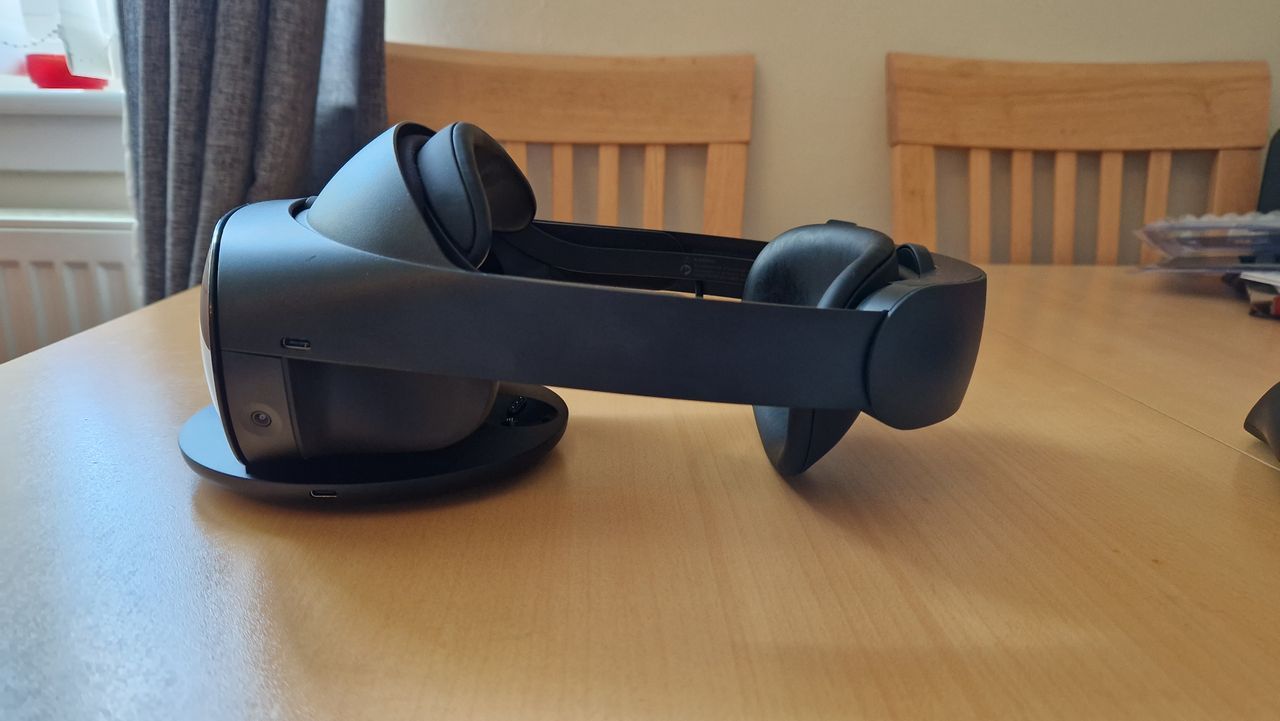
As the anticipation builds for Meta Connect 2026, the focus has shifted from speculative hype to actual imagery. And what we are seeing hints at a fascinating pivot for the company: Project Phoenix, the next rumored Meta device, doesn’t look like the heavy VR headset we might expect, but something far more intriguing—a pair of smart glasses.
This visual shift suggests Meta may be steering clear of the traditional VR headset market entirely. This direction makes sense when you consider the wider context: recent studio closures and layoffs within Meta’s gaming and Reality Labs divisions, coupled with the increasing cost of Quest headsets.
While wearables like the Meta Ray-Ban smart glasses have proven to be a popular hit, the development of Project Phoenix seems to prioritize form factor over full immersion. Early visuals, found within the HorizonOS Prescription Lens firmware package, reveal a design strikingly similar to typical eyewear, complete with smaller legs and a power cable that runs from a single clip or pocket.
The design choices are deliberate. With a lightweight, glasses-like structure, the device might be optimized for everyday use rather than the intense, vigorous head movements required for truly immersive gaming. Furthermore, the optics appear focused on practical viewing angles rather than the expansive Field of View necessary for deep VR experience.
Speculation also surrounds interaction. While there is talk of controller-free experiences—highlighted by internal discussions about methods like the one presented by Dongyi Li—the importance of tactile controllers in VR remains a major factor. This suggests a potential compromise, where convenience is weighed against the full functionality of gaming peripherals.
This approach raises a critical question about Meta’s future in the competitive VR landscape. If Project Phoenix is aimed more at general smart-glass functionality, the focus may be less on competing directly with established gaming giants and more on integrating advanced AR or prescription technologies into everyday life.
This strategic move is particularly relevant for competitors like Valve. While Valve benefits from Meta’s shift, the enduring strength of the Quest ecosystem, exemplified by compelling offerings like the Steam Frame, remains a significant market anchor. The real test will be whether this new direction can capture the mainstream gaming market that Meta has long pursued with its accessible devices.
With Meta Connect scheduled for September 23-24, the full picture of Project Phoenix and its place in the evolving world of virtual reality gaming is expected to be revealed.
Buy on Amazon
Credit