Stellar Blade adds frame gen toggle on Switch 2 after backlash
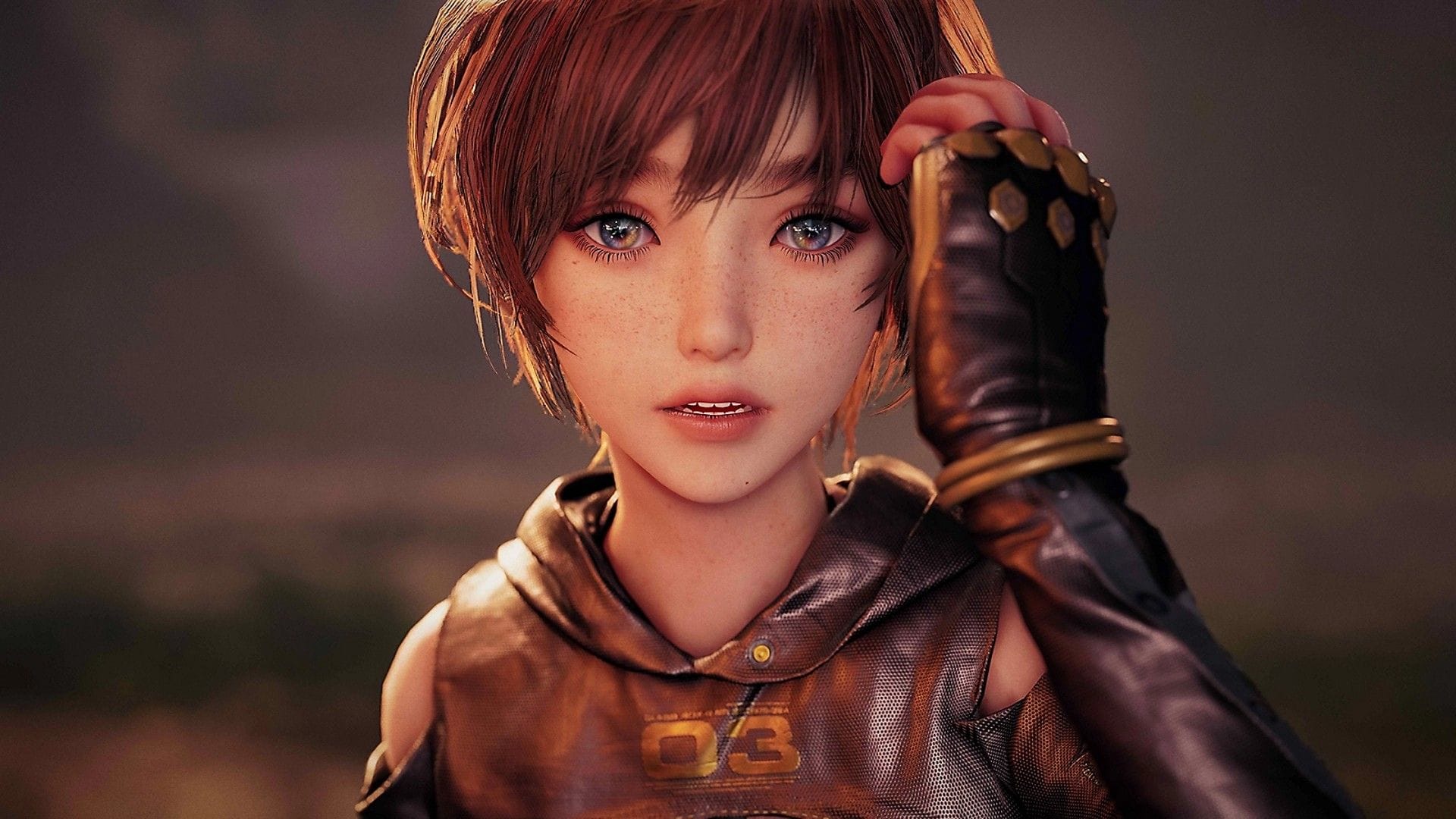
When Stellar Blade landed on the Switch 2, players were eager for an early glimpse of the action-RPG experience. A demo was released, offering a taste of what awaited on the new console. But behind the glossy visuals, the journey into the Switch 2 world introduced some thorny technical compromises that sparked immediate debate among developers and players alike.
The central controversy revolves around how the game achieved its target frame rate. To hit a smooth 60fps appearance, developers utilized frame generation. While this technique is visually appealing, it comes with significant trade-offs. Internally, the game was actually running at 30fps, and frame generation was artificially creating extra frames to trick the eye into seeing a higher rate of motion. Unfortunately, this method introduced the very problems that undermine a responsive gaming experience.
The flip side of achieving that illusion is input lag. Because frame generation consumes additional system resources, it can slow down the responsiveness of the game. During testing of the demo, this latency became immediately apparent. Players found that executing critical actions, such as parry timing, felt sluggish, as if the input was delayed by several business days waiting for a response.
Beyond the latency, visual inconsistencies emerged, further complicating the experience. Despite the game aiming for a sleek 60fps look, the visual fidelity suffered. Details like the protagonist Eve’s hair appeared distorted, morphing into a particle storm, and other visual artifacts, such as errant pixels, were noticeable across the screen. Furthermore, there was an annoying disconnect between the action displayed and the User Interface, which updated at a slower 30fps rate, creating a jarring mismatch.
These visual quirks are not unique to the Switch 2 version; they are consistent with the types of artifacts that frame generation can introduce on various platforms. While achieving a 60fps appearance is undeniably pleasing to the eye, the resulting compromises were felt acutely by the player base.
Thankfully, the developers, Shift Up, listened closely to the feedback. In response to community concerns, they have decided to adjust the implementation. They have now added an option to toggle frame generation at launch. This change gives players the control they need to choose between the visual enhancement and a more responsive, lag-free experience.
This decision signals a shift toward prioritizing player experience over purely visual tricks. It serves as a reminder for the industry that while graphical fidelity is important, true success in game development lies in balancing stunning visuals with flawless, responsive gameplay. Hopefully, every future title will adopt this approach, ensuring that the pursuit of smoother frames doesn’t come at the cost of interactive quality.
Buy on Amazon
Credit
