Stellar Blade hits 60fps on Switch 2 with DLSS and interpolation
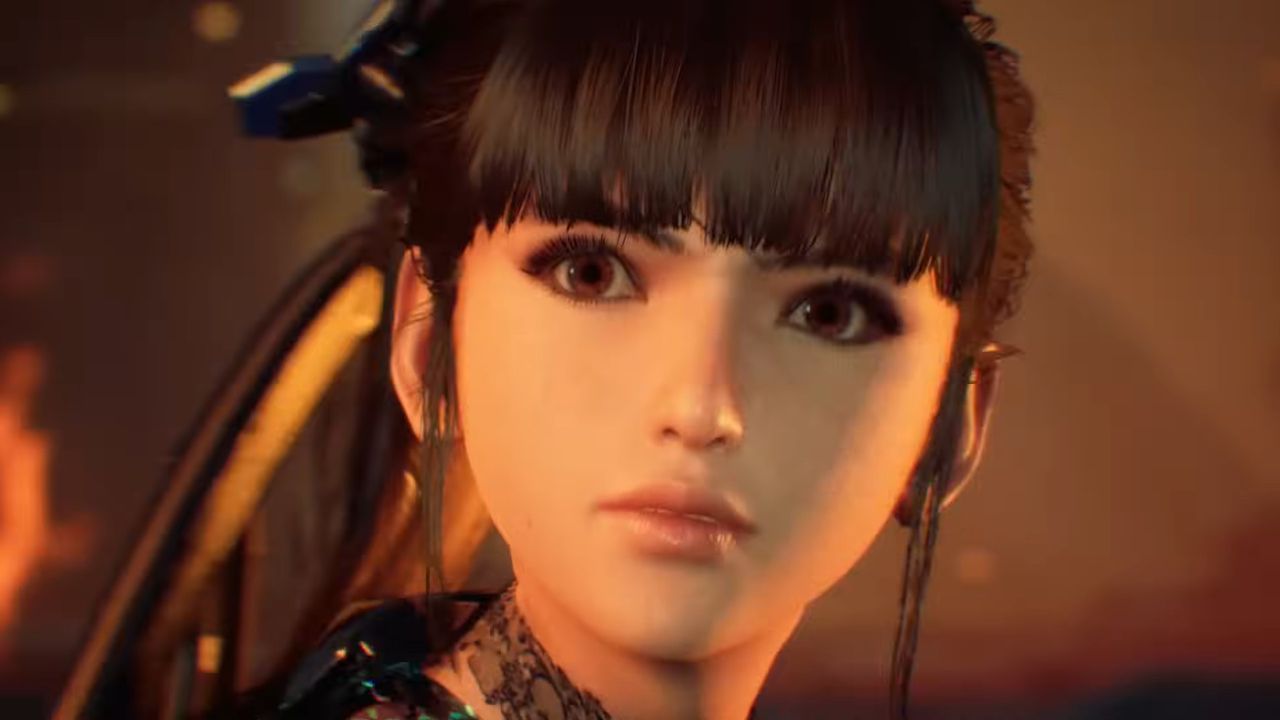
The AI Engine Behind Stellar Blade: How Shift Up is Redefining Console Gaming
After a lengthy wait, fans of the Nintendo Switch 2 will finally get to dive into Stellar Blade this year. But the excitement isn’t just about the release date; the developer, Shift Up, has opened up the technical roadmap, revealing how they plan to deliver a stunning experience. The secret sauce? A clever integration of cutting-edge AI-driven upscaling technology.
To ensure the experience is smooth and visually crisp, Shift Up’s technical director, DongKi Lee, outlined their ambitious goals. The team targeted a consistent 60 frames per second (FPS) across both handheld and docked modes, setting a high bar for performance and visual fidelity.
Achieving this smooth frame rate required more than just standard upscaling. The team employed a unique, multi-layered approach that marries several advanced technologies. At the core of their strategy is Nvidia’s DLSS, which is utilized for upscaling the image and making the game look sharper without sacrificing performance.
However, reaching the target 60 FPS required an extra layer of finesse. Instead of relying solely on upscaling, the developers integrated AMD’s FSR 3.1 and its frame interpolation feature. This combination allowed them to interpolate frames, ensuring the game ran at a consistent and buttery-smooth 60 FPS.
This technical cocktail demonstrates a clear focus on performance optimization. While DLSS is widely known as an uncontroversial tool for visual enhancement, the team’s methodology showcases a deep understanding of how to harness AI to push graphical boundaries efficiently.
The narrative extends beyond just technical specifications; it reflects Shift Up’s distinctly AI-positive philosophy. The studio’s CEO has consistently argued that artificial intelligence is not just a gimmick but an essential tool for South Korean game development to compete successfully on the global stage. This belief is underscored by their development of features like the AI-powered music video for Stellar Blade: Blood Rain.
This commitment to leveraging AI stems from a broader view of the industry. Shift Up’s technical director has noted that titles like Stellar Blade and Lies of P have proven that developers from Korea can successfully tackle the challenge of console development, demonstrating that creative vision and advanced technology can thrive anywhere.
Ultimately, the approach taken by Shift Up positions Stellar Blade not just as a game, but as a showcase for how AI can be seamlessly integrated into the console experience, promising an engaging and high-performance journey for all Switch 2 owners.
Buy on Amazon
Credit