Sucker Punch layoffs hit Ghost of Yotei devs
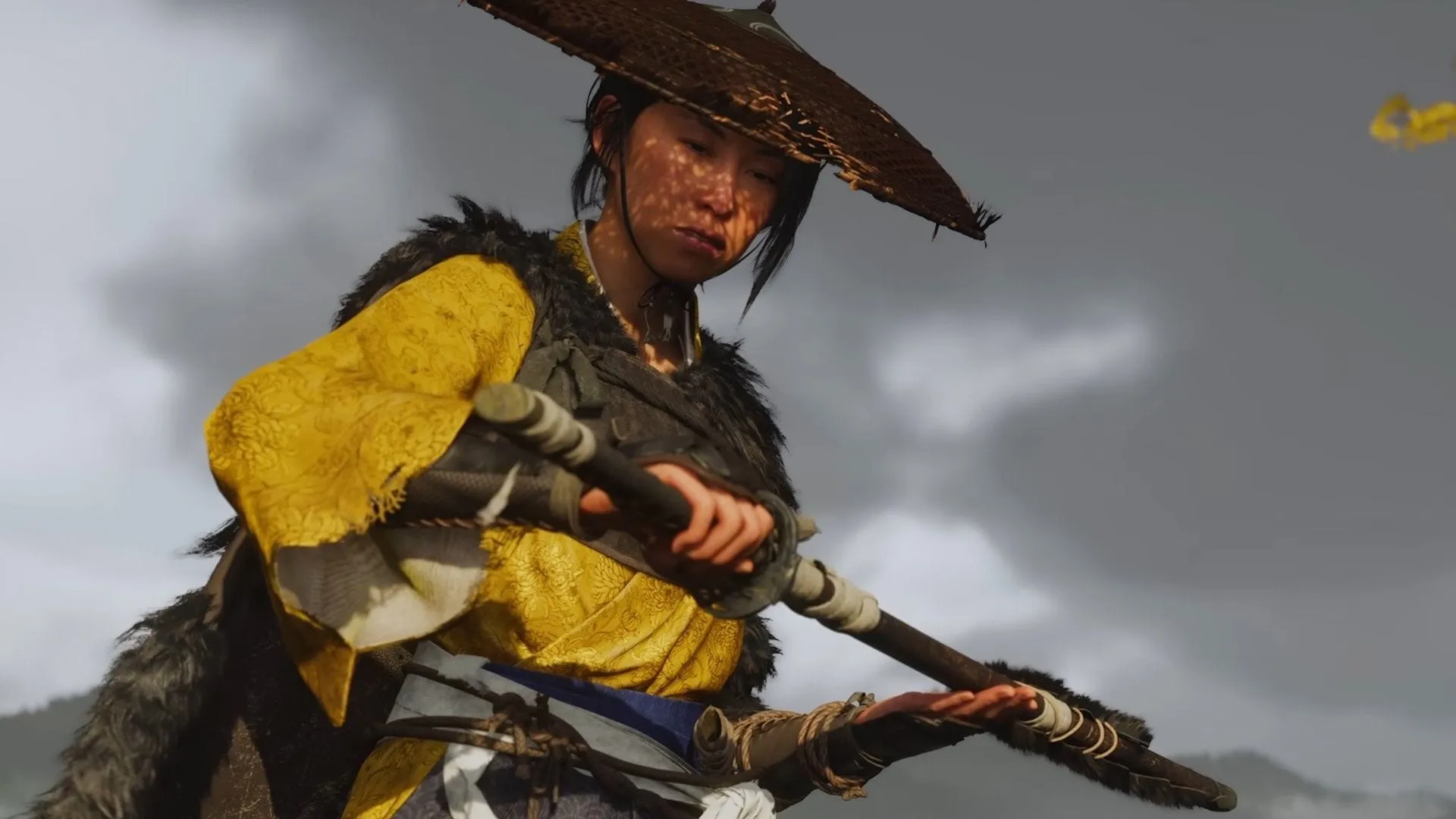
Even when games sell millions, the development ecosystem faces tough economic realities. This is particularly evident in the recent news from Sucker Punch, the studio behind acclaimed titles like Ghost of Tsushima and the critically successful Ghost of Yotei.
A new report indicates that twenty-six employees at Sucker Punch have been laid off. The studio leadership explained the decision in an email to staff, stating that they made the decision after carefully observing market challenges and reviewing the team needs for future projects. While the studio insisted they did not make the decision lightly and offered support during the transition, the message signaled a broader recalibration of resources.
The context for this shift is interesting when viewed alongside the financial performance of the games themselves. Ghost of Yotei delivered a massive impact, selling 3.3 million copies within its first month, cementing its status as a PS5 best-seller. It performed better than Ghost of Tsushima in the same period, demonstrating that successful open-world design can yield exceptional financial results.
The financial success of these titles, especially Ghost of Yotei, further underscores the complexity of industry metrics. Sucker Punch managed to keep the game at a relatively manageable cost, reportedly dodging the spiraling sequel expenses that plagued other massive titles. This provided a compelling case study that exceptional sales do not automatically translate into sustained developer fortunes.
This dynamic is not unique to PlayStation. The gaming world has recently seen other giants, like Xbox and Microsoft, redefine what constitutes a successful development strategy. For instance, Xbox’s release of Hi-Fi Rush in 2023 was hailed as a success across all key measurements, yet the studio responsible for it was shut down a year later. Similarly, Microsoft reportedly closed down the studio behind Bethesda Studios following reprioritization of titles and resources.
These examples suggest that while critical acclaim and high sales figures are important, they may not be the sole determinants of a development team’s stability. The reality of the current market forces developers to look beyond immediate hits and consider long-term strategies for success, pushing the industry toward a new understanding of what truly drives the future of interactive entertainment.
Buy on Amazon
Credit