Switch 2 price hikes mean US spending stays high
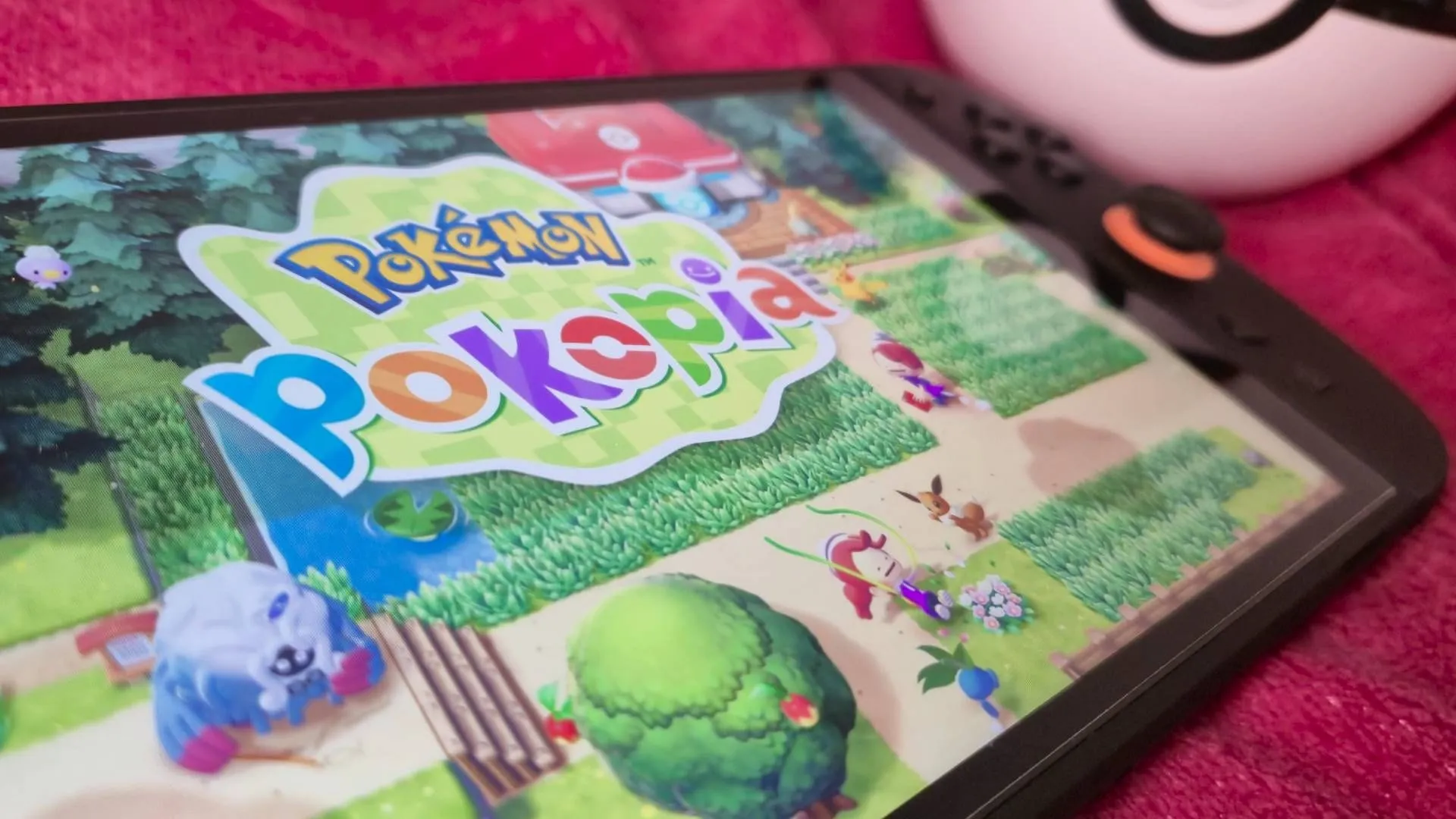
In a world where console prices are soaring and the hype machine is running full tilt, one platform continues to pull the rug: the Nintendo Switch 2. Despite recent price hikes, consumer spending on the new console has seen a modest uptick, offering a fascinating glimpse into how gaming budgets are shifting in the current economic climate.
While the cost of entry has definitely climbed, the actual purchasing power remains surprisingly resilient. In September 2026, while the average price paid for the Nintendo Switch 2 saw a 2% increase compared to the previous year, total customer spending on the console only grew marginally. This tells a compelling story about consumer priorities and the delicate balance between high-end hardware and everyday budgets.
This subtle growth occurs against a backdrop of significant inflation across the gaming market. Global supply chains and the recent scramble for computing memory—fueled by concerns over ongoing global RAM shortages and the effects of AI slop farms—have driven up costs for nearly every piece of hardware. This economic pressure meant that spending, rather than increasing wildly with price, demonstrated a careful recalibration by consumers.
The wider market context paints a picture of intense price competition. Platforms like Sony and Xbox have experienced much more dramatic shifts. For instance, the average price paid for a PlayStation 5 increased by 17%, while Xbox prices saw an even more significant jump of 33%. This indicates that while hardware costs are escalating, market strategy is dictating how consumers allocate their funds.
The Nintendo strategy, however, appears uniquely savvy. When the Switch 2 rolled out with a $50 price bump, it managed to keep the overall spending growth rate extremely low. This success is partially attributed to a strategic shift in the product itself.
Nintendo cleverly transitioned away from bundling the new console with the popular Mario Kart World package. By offering the Switch 2 as a standalone unit, the company managed to maintain a firm price point despite reducing the perceived value of the initial box. As one insightful observer noted, this move showed that smart cookies were at play, ensuring that even with rising prices, the overall sales momentum remained steady.
Looking ahead, with major updates like the Legend of Zelda: Ocarina of Time remake approaching, the next price adjustments will likely face even more scrutiny. The ability of Nintendo to manage consumer expectations while navigating global economic turbulence sets a benchmark for how gaming giants can balance ambitious hardware rollouts with real-world financial realities.
Buy on Amazon
Credit