Tapping the SSD fixes Gears of War E-Day memory issue
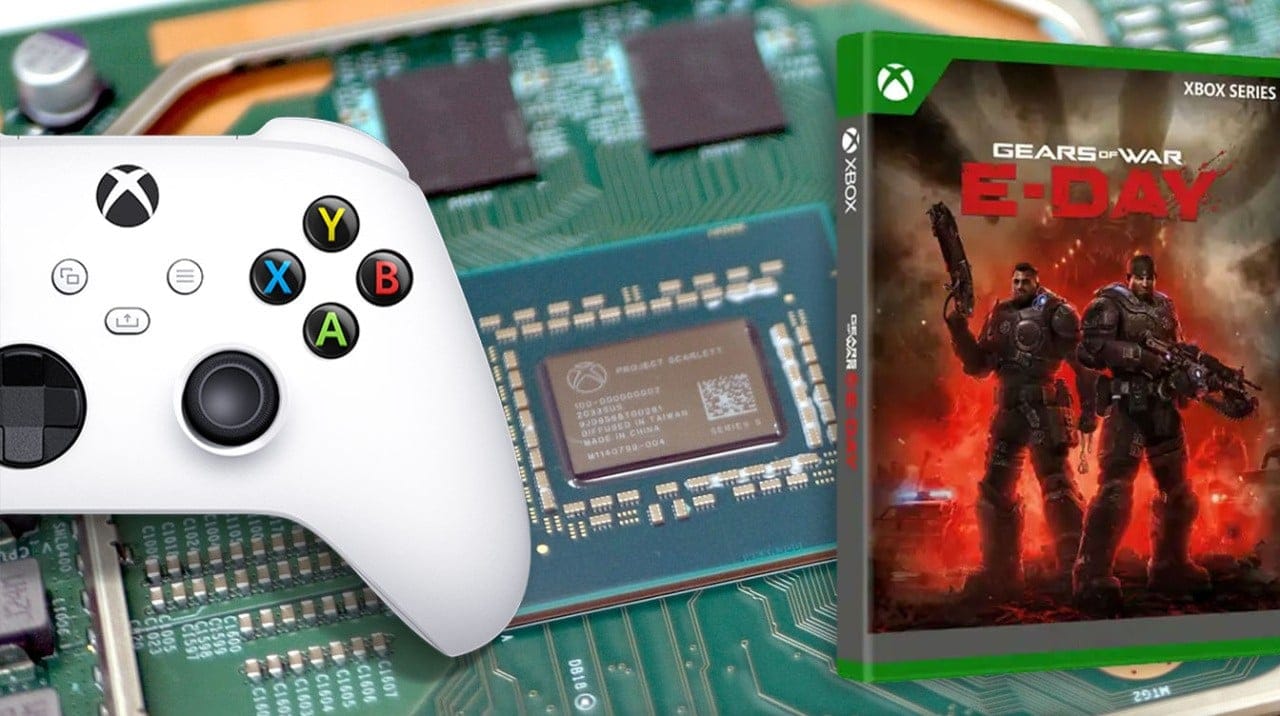
When developing a massive, sprawling world like that presented in Gears of War: E-Day, developers faced a significant hurdle: fitting an immense amount of data into memory-constrained consoles. For the Xbox Series S, with its limited 10GB of GDDR6 memory, creating a dense, detailed city felt like an impossible task.
The solution, however, wasn’t just a matter of squeezing more data in; it was a fundamental rethinking of how memory itself could be utilized. The team at The Coalition developed a clever architectural approach that leveraged the game’s Solid State Drive (SSD) in a completely new way, setting a compelling blueprint for future game development on memory-limited platforms.
This breakthrough involved treating the SSD not merely as storage, but as an expanded tier of memory. By integrating the SSD into the memory hierarchy, the developers created a bespoke system designed to supplement the existing GDDR6 memory on the Series S. This innovative approach was achieved through close collaboration with Xbox’s platform team and the Advanced Technology Group.
At the core of this design philosophy lies a deep understanding of data management. Think about the flow of data in any computing system. There is a strict hierarchy where data moves between different types of storage, constantly trading off speed for capacity. Data housed in the CPU’s cache is lightning fast but holds very little information. It moves to RAM, which offers a balanced speed and capacity. Finally, data resides on slower storage like an SSD, offering massive capacity but requiring more time to access.
In game development, this hierarchy dictates performance. If the necessary data cannot be held in the fastest memory, it must be accessed from slower storage, incurring a speed penalty at every step. The Gears of War team cleverly used the SSD to handle data that was too large for the main memory, effectively creating a high-speed supplementary memory system.
This technique demonstrates how future generations of console games can push the boundaries of what is possible. By tapping into the SSD’s potential as a dynamic memory resource, developers unlock new possibilities for creating richly detailed, expansive worlds without sacrificing performance.
Buy on Amazon
Credit
