Tarae’s East Asian Folklore Aesthetic vs. Diablo
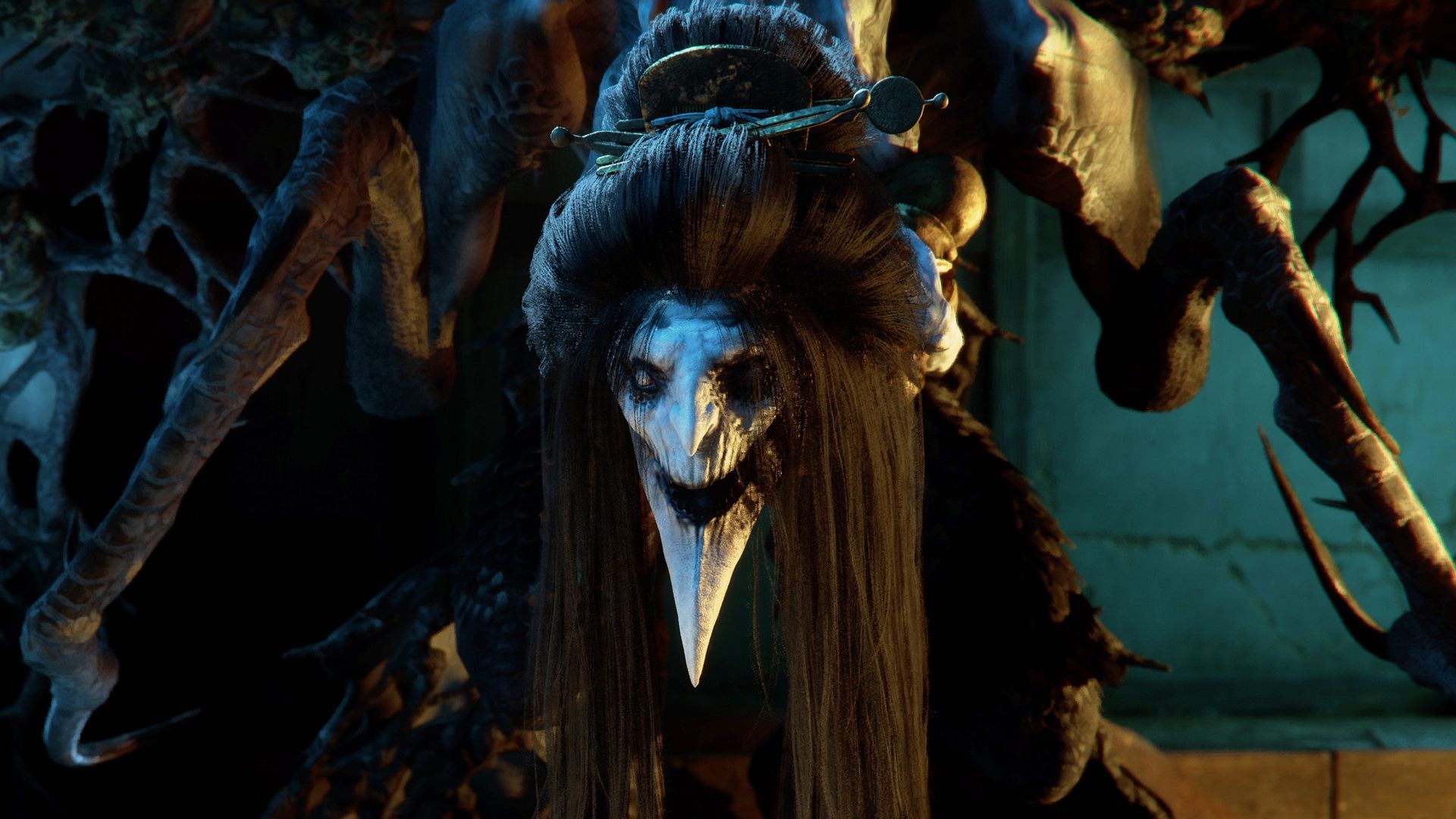
When you step into the world of an action RPG, you expect familiar mechanics: weighty combat, relentless pursuit of loot, and deep character progression. But what happens when those expectations collide with an aesthetic entirely unknown to the mainstream? South Korean studio Boundary and Krafton have delivered Tarae: The Unbound, an experience that sets itself apart by transplanting familiar action RPG gameplay into a stunningly unique Eastern dark fantasy setting.
Set between the 15th and 17th centuries, the game pulls heavily from Eastern aesthetics and folklore, offering a dramatically different backdrop than the typical medieval European settings. This infusion is visible everywhere, from the design of the monsters and environments to the intricate boss battles, which are a mesmerizing fusion of Chinese, South Korean, and Japanese influences that result in truly novel visual designs.
Despite the visual novelty, the core gameplay loop feels deeply satisfying. Players quickly settle into the rhythm of the combat, managing abilities, dodging, and efficiently deleting mobs with satisfying weight. The game includes features beloved by genre fans, such as a steady stream of loot to collect, diverse skill choices, and robust build crafting systems.
However, the true innovation of Tarae: The Unbound lies in its reinterpretation of character archetypes. Instead of standard fantasy classes, players choose from six unique roles, each reinterpreted from Eastern cultures: the Samurai melee dealer, the Tiger Hunter utilizing traps and summons, the Manshin spiritual shaman, the Geomancer area-of-effect damage dealer, the stealthy Kunoichi ninja, and the brawler Warfiend.
Boundary insists that these distinct playstyles fundamentally change the experience. Choosing a different class fundamentally alters how you interact with the world, offering a genuinely different feel than existing action RPGs. Whether you choose to focus on martial prowess or spiritual channeling, the choices yield varied and rewarding gameplay paths.
The combat balance is further complicated by a unique god system that permeates the game’s philosophy. The narrative is woven through the theme of yin and yang, emphasizing the constant interplay of opposing forces. Players must contend with eight different gods—both friendly and unfriendly—whose influence can assist or hinder the journey through the campaign.
At the heart of the cosmology is the Buddhist concept of the six realms of rebirth: the human realm, the Asura realm, the beast realm, the hungry ghosts realm, and the hell realm. In the endgame, players are invited to cross these boundaries to engage in epic battles, adding a profound layer of narrative depth to the action.
Boundary and Krafton are confident that this unique vision is an enticing proposition for Western gamers. They are pitching an Eastern dark fantasy action RPG that boasts its own distinct charms and combat balance, offering something truly fresh in a crowded market.
The development team plans to keep the momentum going through a seasonal model, promising new characters and DLCs that introduce new regions each year. Tarae: The Unbound is slated for release on PC and consoles in 2027, promising a long-haul adventure steeped in history, folklore, and explosive action.
Buy on Amazon
Credit