Tariff refunds pass back to Playdate customers
The Tariff Tangle: How Indie Game Publishers are Getting Their Refunds
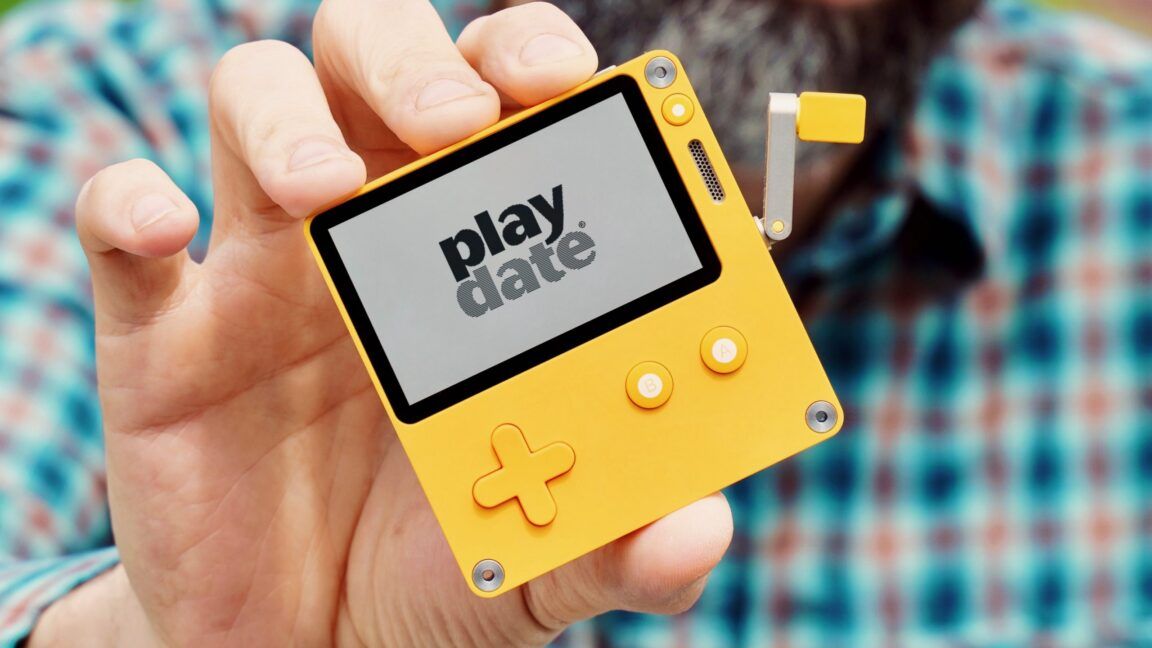
In a world grappling with complex trade policies, even the world of quirky, collectible gaming handhelds has found itself caught in the crossfire of international tariffs. Panic, the indie game publishers behind the beloved, yellow crank-sporting Playdate, has recently taken a significant step, issuing refunds to customers who were forced to absorb the costs of tariffs imposed by the Trump administration this year.
This action comes on the heels of a major legal development. Months earlier, the Supreme Court had ruled that the tariffs in question were illegal, demanding that the administration refund the companies that had to temporarily pay these import taxes. With the legal hammer falling, Panic was finally able to settle the financial ledger.
The situation stemmed from the reality of making a living in the gaming hardware industry. When the initial tariff notes were released, Panic faced a tough choice: absorb the 19 percent tariffs on the Playdate hardware, or pass that cost onto consumers. Because the company’s profit margins on the Playdate were relatively low, they opted to pass the charge on, including the tariff as an explicit subtotal line item on all orders.
This approach contrasted sharply with larger industry players. While Panic passed the cost directly to the customer, companies like Nintendo navigated the tariff uncertainty by citing broader “market conditions” when raising the prices of legacy hardware and accessories.
This difference highlights the varied ways companies manage economic pressures under trade uncertainty. For Panic, the focus was on ensuring that consumers were not unfairly burdened by external political decisions, especially when the legal framework allowed for reimbursement.
Ultimately, Panic has begun to receive the promised refunds and has subsequently processed the return of all tariffs charged to customers, bringing the story of the Playdate‘s journey—and the fallout from the trade wars—to a close.
Credit