The Finals AI calls out usernames live in new update
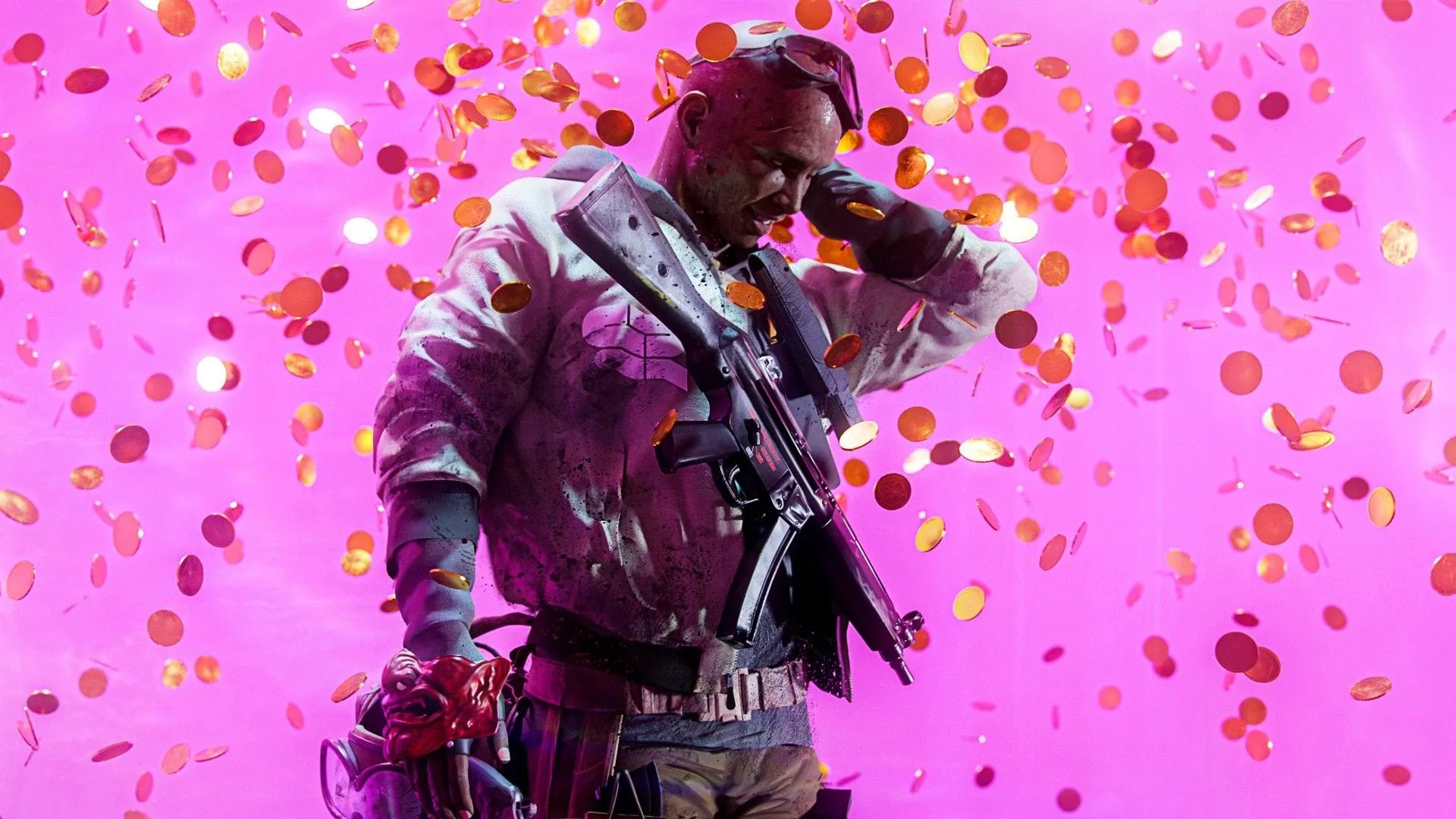
Get ready to hear the action like never before. In the world of multiplayer first-person shooters, Embark Studios is pioneering a new era of dynamic commentary, utilizing artificial intelligence to bring personality and real-time recognition directly into the gameplay experience.
This innovative feature, introduced in the multiplayer title The Finals, moves beyond standard in-game alerts. Instead of simply hearing, “That was a good headshot,” players will now hear personalized, context-aware commentary, such as “[Player Name] just scored a great headshot.” It’s a small linguistic shift that promises to inject a fresh, exciting layer of narrative into every victory.
The team unveiled this system in a short video, demonstrating how the experience will unfold. The core mechanism relies on advanced AI performing an automatic text-to-speech function. This technology allows the game to recognize significant in-game events and associate them with player nicknames, effectively turning in-game achievements into narrated moments.
To ensure the experience is smooth and engaging, the developers are implementing a measured approach. Initially, the scope of events that trigger this new commentary will be relatively narrow, allowing the team to meticulously test the technology in motion. As audio director Carl Strandberg explained, the goal is to ensure the commentary sounds appealing and true to the desired tone, much like the familiar voice of Scotty that players love.
While the integration of generative AI into interactive gaming is a bold move, it isn’t without its complexities. The introduction of this feature naturally raises questions about the boundaries of AI in entertainment. There is an understandable concern that players might seek to manipulate the system, potentially by using inappropriate language to hear the narration out loud.
Despite this potential for misuse, Embark Studios is moving forward with the implementation, rolling out the feature in the Prime Time update on October 20. Whether this experiment truly enhances the gameplay or simply introduces new layers of complexity remains to be seen, but it certainly marks a fascinating step in how games communicate with their audience.
Buy on Amazon
Credit