The Witcher 3 Remastered: Finding the Path in a Colorful World
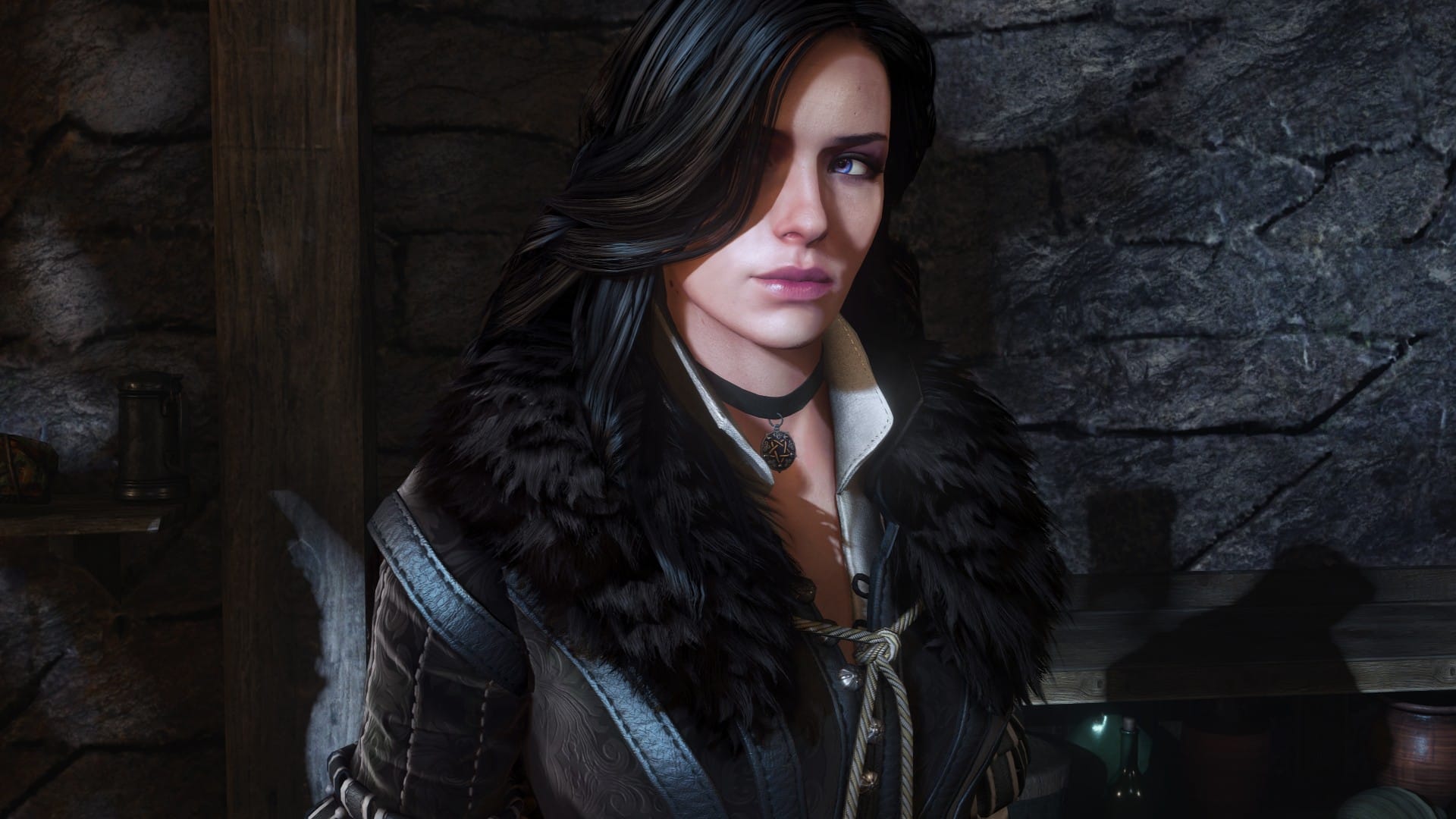
The Enduring Legend of The Witcher 3: A Masterpiece That Refuses to Fade
There are games that simply entertain, and then there are those that etch themselves into the cultural landscape. The Witcher 3: Wild Hunt firmly belongs in the latter category, cementing its place as one of the greatest role-playing games ever created. Even after more than a decade has passed, the game remains an undisputed apex-tier RPG, continually redefining what interactive storytelling can achieve.
What distinguishes The Witcher 3 is not just its stunning world or intricate quests, but the profound moral complexity woven into its fabric. The narrative forces players to confront agonizing choices, placing weighty ethical dilemmas squarely in the hands of the player. These decisions do not offer easy answers; they spark deep, genuine debates about right and wrong that resonate long after the credits roll.
This depth is what has allowed the game to transcend mere gameplay and enter the realm of true cultural conversation. The narrative’s impact has been vast, sparking vigorous discussions and philosophical debates across countless communities, including tabletop gaming circles where players grapple with similar ethical quandaries.
The story is more than just a journey through a fantastical land; it is a deeply human exploration of consequence, choice, and the often-brutal realities of living in a morally ambiguous world. It is a story that doesn’t just entertain; it lives on, deeply embedded in the collective memory of so many who have experienced it.
Eleven years later, the legacy of The Witcher 3 continues to inspire new generations and fuel ongoing discourse. It stands as a powerful testament to the potential of mature, character-driven storytelling, proving that the most lasting works are those that challenge us to think, feel, and reflect on the complex tapestry of existence.
Buy on Amazon
Credit
