Tim Schafer’s brutal view on the game industry
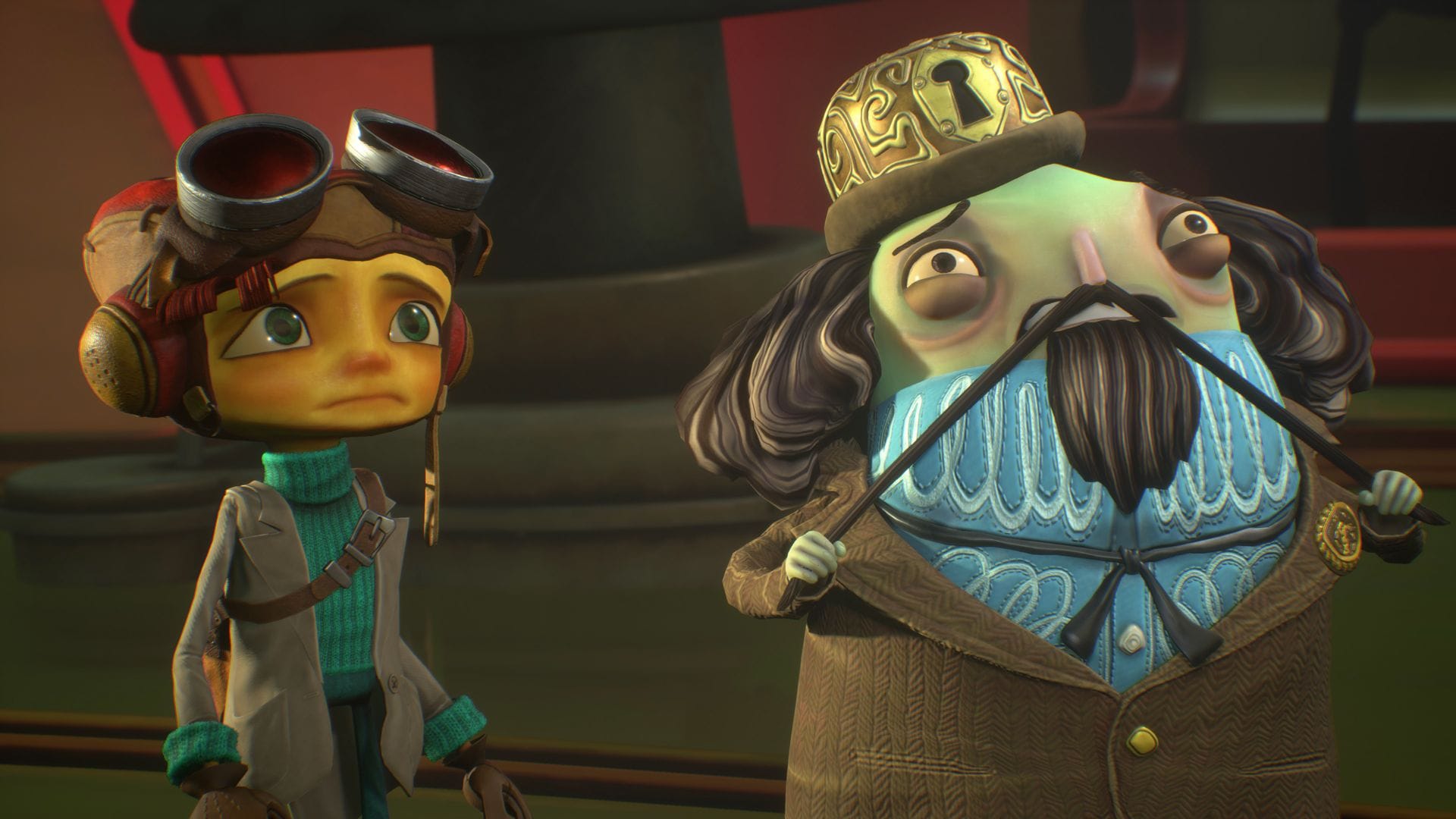
In a landscape defined by corporate reshuffles and uncertain economic tides, some veterans of the gaming world are grappling with a profound question: do we truly understand the economics of making games anymore?
Tim Schafer, the founder of the acclaimed studio Double Fine, has openly admitted that the cyclical ups and downs of the gaming industry have left him feeling bewildered by the current financial climate. This sentiment is underscored by the massive corporate shifts sweeping through the sector. The recent yearly layoffs by Microsoft, targeting 3,200 Xbox employees before the end of the 2027 fiscal year, highlight the volatility facing major players.
These large-scale cuts ripple far beyond the corporate level. The restructuring has put several independent studios under pressure, forcing creative teams to reassess their footing. Double Fine itself, for instance, has had to make difficult decisions regarding its staff, yet the studio remains resilient. Driven by the need to fund its next creative venture, Double Fine has pivoted, turning to Kickstarter to directly engage its fanbase and determine the direction for its upcoming small game.
Schafer’s perspective suggests that the old rhythm of boom and bust—where layoffs spurred hiring—no longer seems to apply. He notes that in the current era of major struggle, the previous cycle of economic cycles has stalled, leading him to question the source of the current job losses. While acknowledging the volatility, he maintains a hopeful outlook, believing that the industry still pulses with significant life and creativity, particularly within the vibrant indie space.
Despite the macro-economic uncertainty, the environment for developers, especially in the larger AAA sector, continues to present complex challenges. Schafer points out that the atmosphere in AAA development has often been described as violent, where creative work often receives diminished reward. This dynamic is unfortunately visible in the industry, where staff are frequently laid off immediately after a game’s success, even when the development process is nearing completion.
Examples abound of this harsh reality. Studios that achieve commercial success, such as those tied to Star Wars Zero Company or the Gears Of War: E-Day staff, have experienced job insecurity following their work’s release. Even massive successes, like Battlefield 6, have seen executives rewarded with substantial bonuses while the teams responsible for the development face instability. This juxtaposition underscores a persistent tension between commercial success and developer security.
Ultimately, while the financial mechanics of the industry remain opaque, a creative core persists. The industry has, despite the external pressures, demonstrated an enduring capacity for life and innovation. The challenge now lies in navigating this difficult period, finding a sustainable balance where creative ambition is rewarded, regardless of corporate restructuring.
Credit
