Tomb Raider Atlantis shifts Less hand-holding more action
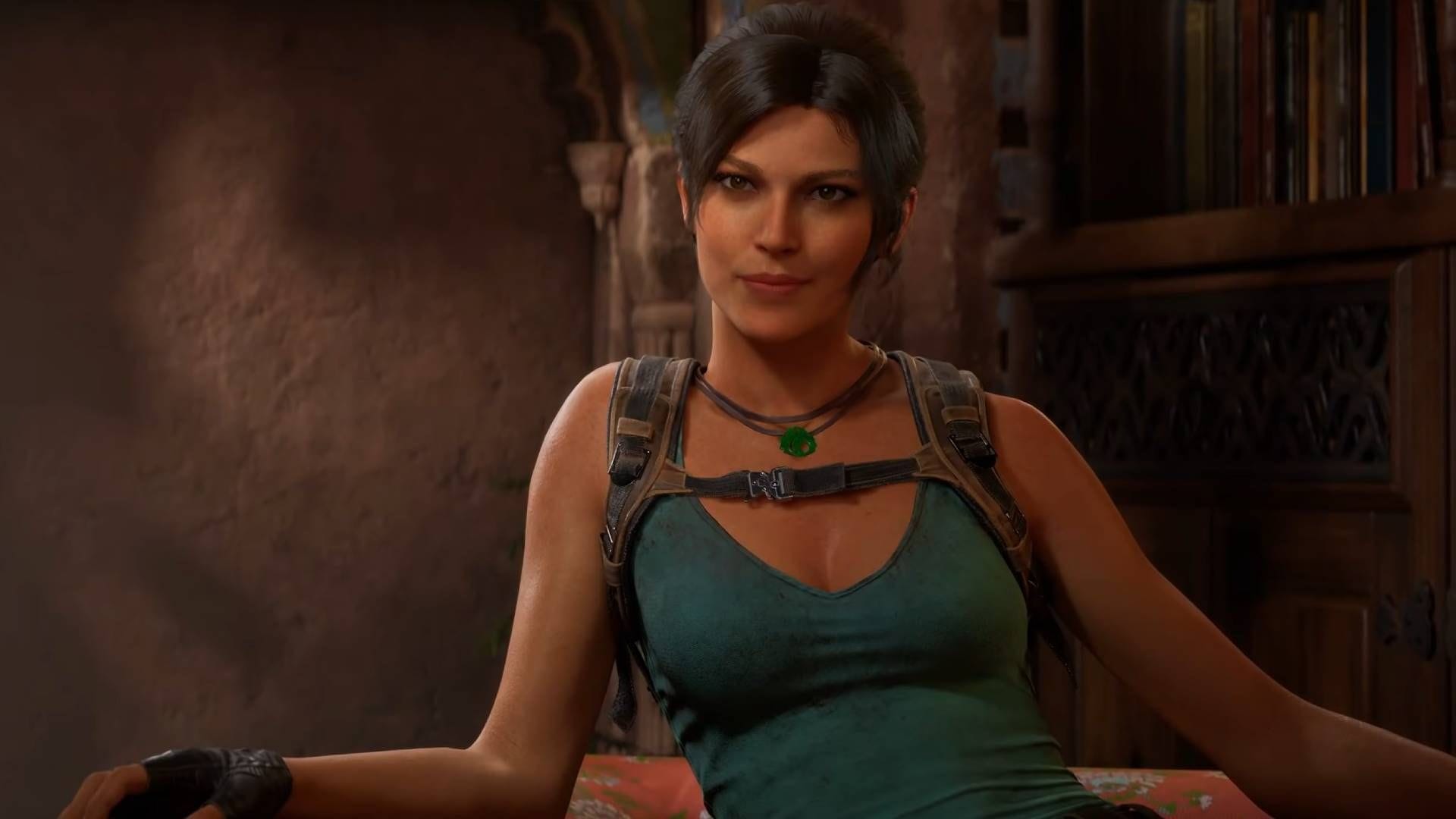
The world of Tomb Raider has always been defined by the thrill of climbing, puzzle-solving, and the stark, isolating feeling of deep exploration. But as the franchise evolves, a new tension emerges: how do you blend that classic sense of solitary adventure with the high-octane action that modern gamers demand? The answer lies in a deliberate attempt to reignite the spirit of discovery, especially in recent revivals like Tomb Raider: Legacy of Atlantis.
Developers are making it clear that the goal isn’t just to recreate old maps; it’s about resurrecting the feeling of being truly lost. Experience director Jeff Adams, a key figure at Crystal Dynamics, articulates this philosophy beautifully. He argues that the true reward of exploring the world is the chance to go out, hunt around, and navigate the unknown entirely on your own terms. “We celebrate those moments to say, ‘Hey, let’s not hold your hand. Let’s let you go out there and hunt around, maybe find some stuff that you weren’t expecting to find,'” Adams explains. This is the core principle: allowing players the freedom to get lost, make unexpected discoveries, and find their own path back.
This commitment to genuine exploration directly influences the design choices in the game. While modern action games often rely on hand-holding to ensure smooth gameplay, the Tomb Raider team is walking a tightrope. They manage to modernize the action while refusing to let safety completely override the sense of isolation that defined the original games. The challenge is making the world feel dangerous and vast, yet rewarding the player for venturing into it.
To achieve this, the team decided to introduce systems that foster true independence. By integrating crafting and skill trees—elements borrowed from the Survivor trilogy—they provide players with tools to survive and thrive based on what they find, rather than just following a predetermined path. This system allows players to find healing items and essential boosts in the tombs themselves, reinforcing the theme that survival depends on independent resourcefulness.
This approach ensures that the most emotionally resonant elements of the original series—the breathtaking vistas, the hidden objects, and the sheer exhilaration of deep exploration—remain untouched and central to the experience. It’s about preserving those specific moments that stick in memory, ensuring that the magic of discovering an ancient ruin remains the ultimate prize.
By emphasizing exploration and the freedom to get lost, the developers are delivering more than just a remake; they are offering a renewed vision of the series’ legacy. It’s a reminder that the greatest adventure isn’t about following a clear line, but about embracing the risk of going out there and uncovering what lies just around the corner. These are, without a doubt, the best Tomb Raider games of all time.
Buy on Amazon
Credit
