Trails In The Sky Chapter 2 Action Review
Redefining Adventure: How Trails in the Sky Remakes Mastered Nostalgia and Innovation
Introducing a sprawling, interconnected world like the Trails saga presents a monumental challenge, especially when trying to introduce these deep narratives to new players. The task is not just updating old games, but weaving a cohesive, modern experience across multiple entries. This challenge was successfully met by the Trails in the Sky remakes, which not only provided a slick 3D makeover but delivered truly satisfying gameplay and deeply resonant stories.
The journey begins with Trails in the Sky 1st Chapter, which served as the essential foundation. This remake provided a fresh visual perspective and updated gameplay, setting the stage for the narrative that followed. This groundwork was expertly expanded in the sequel, Trails in the Sky 2nd Chapter, which immediately escalated the stakes. With the reappearance of Estelle Bright, the heroine is driven by a powerful quest to find her missing adoptive brother, Joshua Bright, deepening the emotional investment for the player.
The dynamic between the protagonists is central to the sequel’s appeal. Estelle’s bright, confident demeanor clashes wonderfully with Joshua’s newly brooding mood as they navigate their quest. The story delves into cultish revelations unearthed in the first chapter, giving the narrative significantly heavier stakes while retaining an emotionally resonant edge that keeps the audience utterly invested.
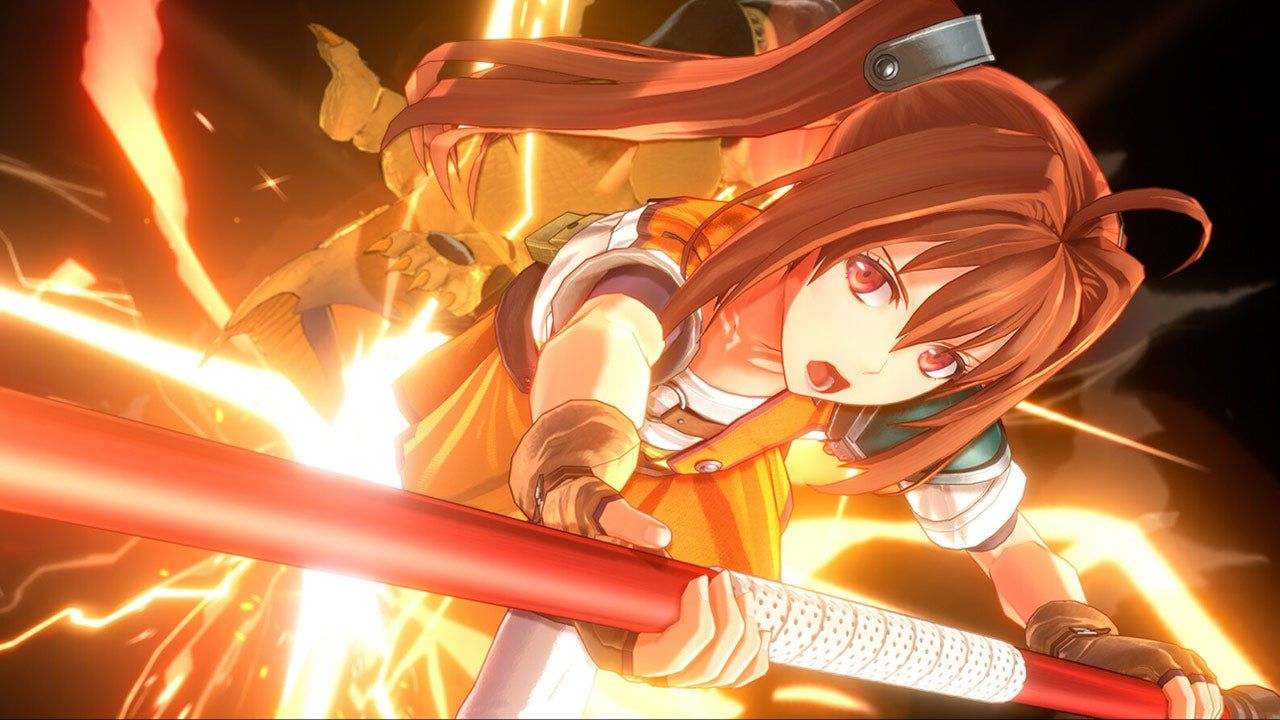
Beyond the compelling character drama, the Sky remakes delivered a significant boost in presentation. The shift to a stylized, anime-inspired art direction brought bolder colors and a completely new vision to familiar locations. The combat itself was transformed; the transition between phases is smoother, and the use of dynamic camera angles and sharp cuts injects cinematic flair into every attack and craft. Character models and animations are fluid and expressive, lending extra life to both the exploration and the conflict.
The narrative pacing in the second chapter strikes a perfect balance, cleanly concluding Estelle and Joshua’s character arcs without unnecessary prolongation. This streamlined approach is crucial, avoiding the superfluous bloat that can plague later entries in the larger Trails saga, ensuring the adventure feels like a vibrant revisiting of an old home rather than a mere retread.
Under the hood, the combat system underwent some of the most fascinating evolution. While retaining the core structure, the remakes successfully integrated the hybrid real-time and turn-based mechanics pioneered by the earlier Trails entries. This hybrid system was further enhanced by the introduction of Brave Points (BP), accumulated through critical hits and stunning enemies. This new mechanic allows for explosive chain strikes and coordinated group bursts, turning combat into a far more engaging and kinetic experience.
The system evolved further by merging these concepts. For instance, the ability to launch a preemptive Brave Attack during quick battles, utilizing BP, demonstrates a refined understanding of combat flow. This intricate interplay between mechanics—like the strategic use of Delay and the capacity to Steal Bonuses—rewards clever positioning and tactical decision-making. This constant give-and-take ensures the battle remains challenging and dynamic.
Finally, the customization system, the Orbment mechanic, was streamlined to reflect a more focused, old-school RPG approach. Rather than the sprawling flexibility of other entries, Trails in the Sky 2nd Chapter adopted a more rigid framework, allowing magically-oriented characters to unlock higher-tier spells. This commitment to foundational RPG structure, while still offering deep customization, provides a refreshing anchor amidst the stylistic revisions, solidifying the series’ place as a masterclass in interactive storytelling.
Buy on Amazon
Credit