Transferring Moss from VR was no simple task
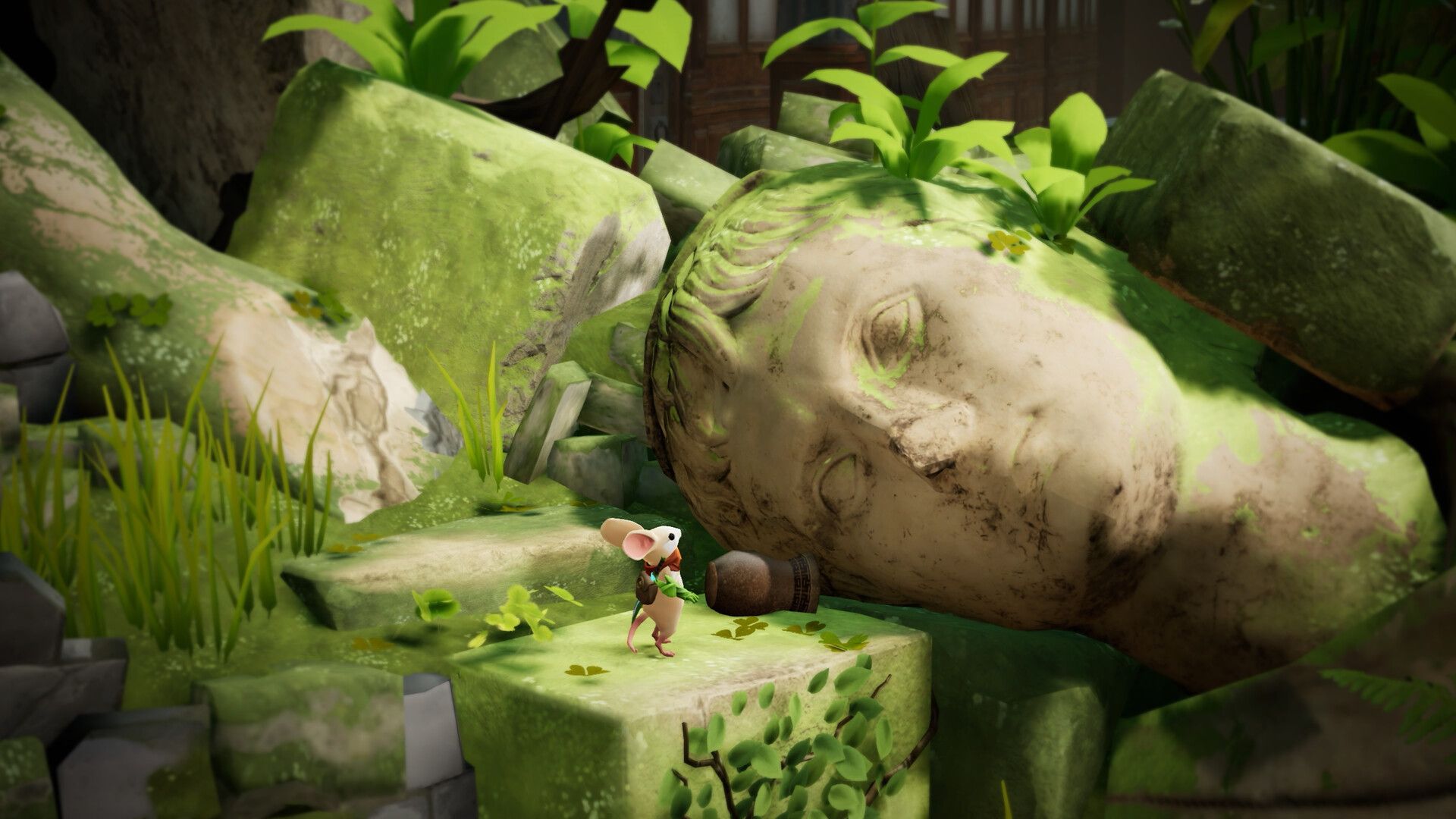
When we talk about virtual reality gaming, many focus on cutting-edge graphics and technical marvels. But for some titles, the true magic lies not in the fidelity of the visuals, but in the depth of the experience itself. This philosophy is perfectly embodied by games like Moss Book One and Book Two.
These adventure experiences stand out because they prioritize something far more engaging than technical showcases. Instead of pushing raw graphical power, these titles excel in crafting a palpable atmosphere, offering deeply satisfying puzzles, and immersing the player in an unparalleled perspective that feels genuinely unique to the world you inhabit.
The brilliance of the Moss series lies in how skillfully they blend narrative storytelling with interactive gameplay. The focus is less on demanding technical feats—like those seen in games such as Half-Life: Alyx or Asgard’s Wrath—and more on crafting an atmosphere and puzzle structure that simply works wonderfully within the virtual space.
This emphasis on player perspective elevates these games from mere technical demonstrations to truly immersive worlds. They prove that great VR gaming isn’t just about what you can see, but about how deeply you can feel and interact with your surroundings.
The excitement now shifts to the challenge of translation. As developers look toward wider accessibility, the next big question is how these richly atmospheric, perspective-driven adventures will translate effectively to flat-screen devices. The goal is not just portability; it’s ensuring that the unique sense of atmosphere and intricate puzzle design remains intact when moving from immersive VR to a more conventional display.
Buy on Amazon
Credit