Troy Baker reveals The Last of Us 2 final scene started at the game’s beginning
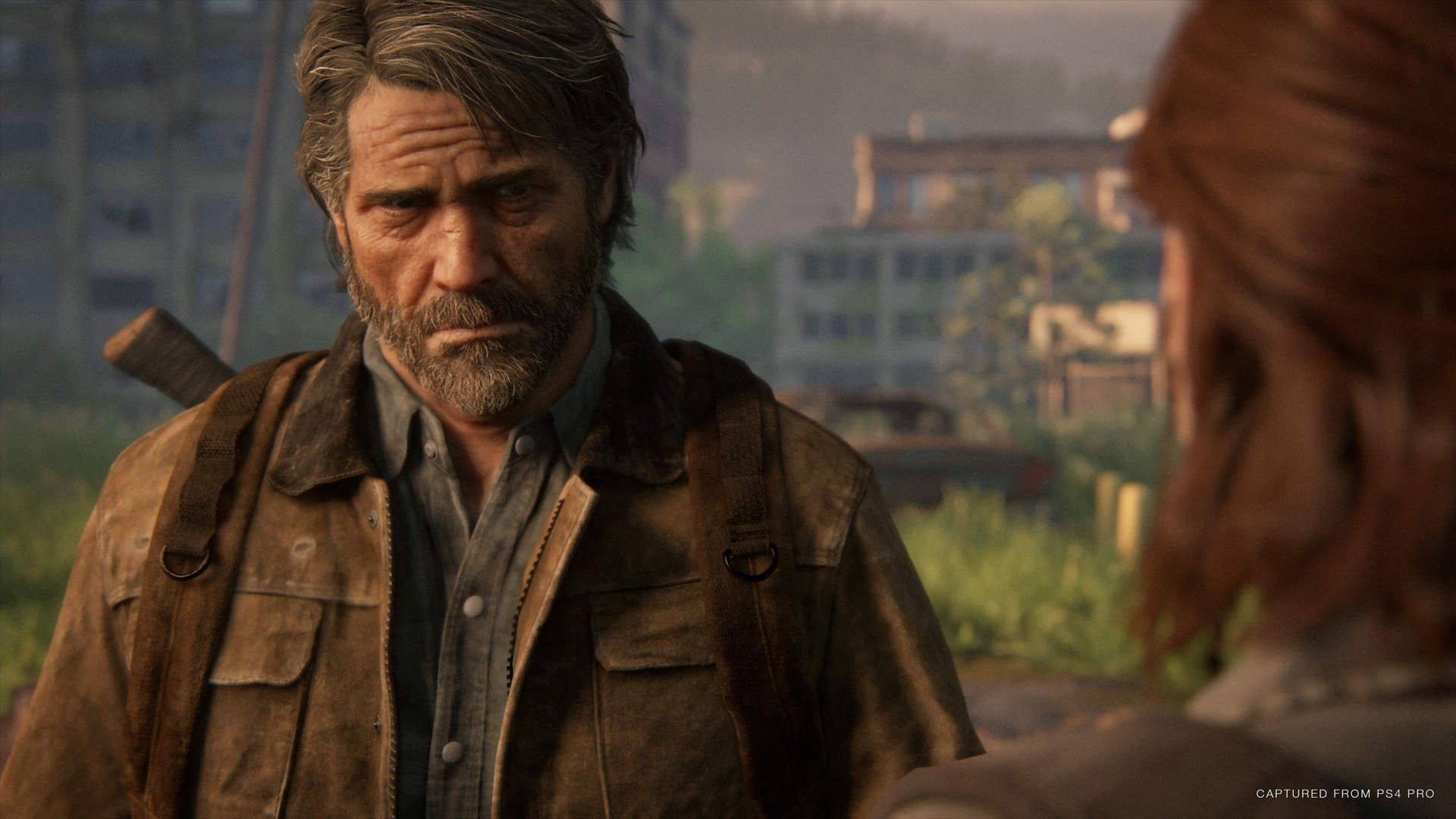
The perfect ending is often the hardest to write. In the world of epic storytelling, there’s a unique kind of satisfaction that comes from a narrative conclusion that feels both earned and utterly heartbreaking. That is the difficult, complex legacy of The Last of Us 2.
While many might look for a neat resolution, the final moments of the game instead offer a profoundly messy, deeply human encounter. It is a scene that forces the player—and the audience—to confront the broken bonds of the characters, demonstrating that some wounds simply refuse to heal, even when reconciliation is desperately sought.
At the heart of this conclusion is the final, agonizing conversation between Joel and Ellie. This scene is not a tidy wrap-up; it is a wrestling match with history. It captures the fragile, shattered relationship they had managed to salvage after the devastation of the first game, illuminating the profound difficulty of forgiving what was lost and attempting to build something new from the ruins.
The dialogue itself is charged with unspoken grief. As they attempt to reconcile their feelings, the scene remains agonizingly inconclusive. It refuses the simple closure that so many crave, instead leaving the audience with a raw understanding of their shared history—a love forged in fire, yet irrevocably scarred by tragedy.
The narrative brilliance lies in this deliberate ambiguity. It allows the themes of revenge and loss to coexist without offering simple moral answers. For Ellie, her journey of vengeance is understandable, fueled by the horrific loss of Joel. Yet, the ending simultaneously underscores the heartbreaking reality that human hands are often tied, trapping us in cycles of pain regardless of our desires for forgiveness.
This complexity is what elevates the experience. It shifts the focus from a simple good-versus-evil story to a deeper exploration of what it means to survive trauma. The emotional truth is that healing doesn’t always follow a straight line; sometimes, the only true narrative closure is accepting the unending weight of what happened.
It is a masterful piece of storytelling because it refuses the audience the comfort of an easy ending, instead offering a truth that is raw, resonant, and utterly unforgettable. It reminds us that the most important stories are not about victory, but about the enduring, painful connections we forge in the aftermath of disaster.
Buy on Amazon
Credit