True Detective meets creepy braindance in Cyberpunk 2077
Six years after its release, Cyberpunk 2077 remains a cultural touchstone, not just for its stunning world but for the incredibly deep, often unsettling narratives it offers. While the setting is high-octane cyberpunk chaos, some of the game’s most memorable experiences come from diving into the dark recesses of human psychology, demonstrated perfectly in side quests like The Hunt.
This particular quest isn’t about shootouts; it’s a masterclass in psychological detective work. Players team up with River Ward to hunt down the serial killer Anthony Harris, who has vanished while allegedly kidnapping his nephew, Randy. The genius of The Hunt lies in how it uses deliberate and low-key narrative tools—files, emails, and subtle observations—to piece together a disturbing truth.
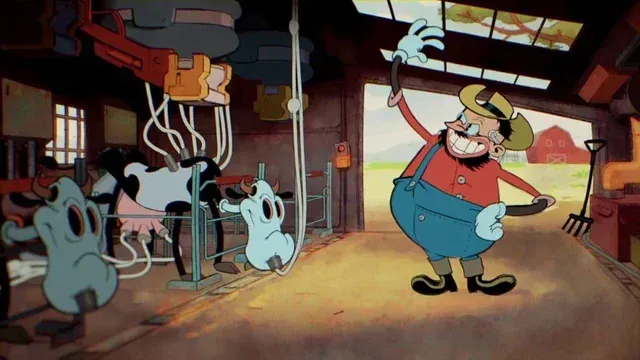
Instead of relying on action sequences, the game asks players to engage in authentic police work. As V searches for clues about Randy’s whereabouts, they delve into Harris’s past, exploring his psychology through meticulous detective work rather than gunfights. The chilling revelations are discovered not through violence, but through carefully curated details, including a creepy cartoon found on Randy’s computer.
This seemingly innocent cartoon acts as a key, unlocking deeper insights into Harris’s mind and the horrific abuses he suffered as a child. As V unravels these layers, the disturbing reality emerges: Harris was “farming” teenage boys, using them to try and “fix” them through drug use—a revelation that is designed to be profoundly uncomfortable and wrong.
The design philosophy behind this kind of storytelling has been highlighted by CD Projekt Red’s team. Associate Game Director Paweł Sasko explained that the quest was intended to function as a psychological thriller, deliberately eschewing on-screen violence in favor of narrative tools like files and emails. “It was meant to feel like True Detective, a cop drama set in a cyberpunk world,” Sasko noted. “The major discovery comes from performing authentic police work, intentionally avoiding action sequences.”
This approach allows the game to juggle genres and themes, twisting familiar settings into something entirely new. The focus shifts to uncomfortable psychological tension—the unsettling cartoon, the feeling of wrongness stemming from Harris’s history—creating a palpable sense of dread that lingers long after the mission is complete.
This dedication to disturbing, layered storytelling isn’t isolated to The Hunt. Other quests, such as Sinnerman and They Won’t Go When I Go, further double down on disturbing elements, reinforcing the idea that this world is capable of housing complex and unsettling human truths.
As developers continue to expand the universe—with hopes for future projects like Project Orion—the appetite for deep, morally grey narratives remains strong. It is clear that the future of Cyberpunk will continue to push boundaries, blending genres to surprise and delight players with stories that are as shocking as they are compelling.
Buy on Amazon
Credit