
Tuning difficulty: Slowing down great players
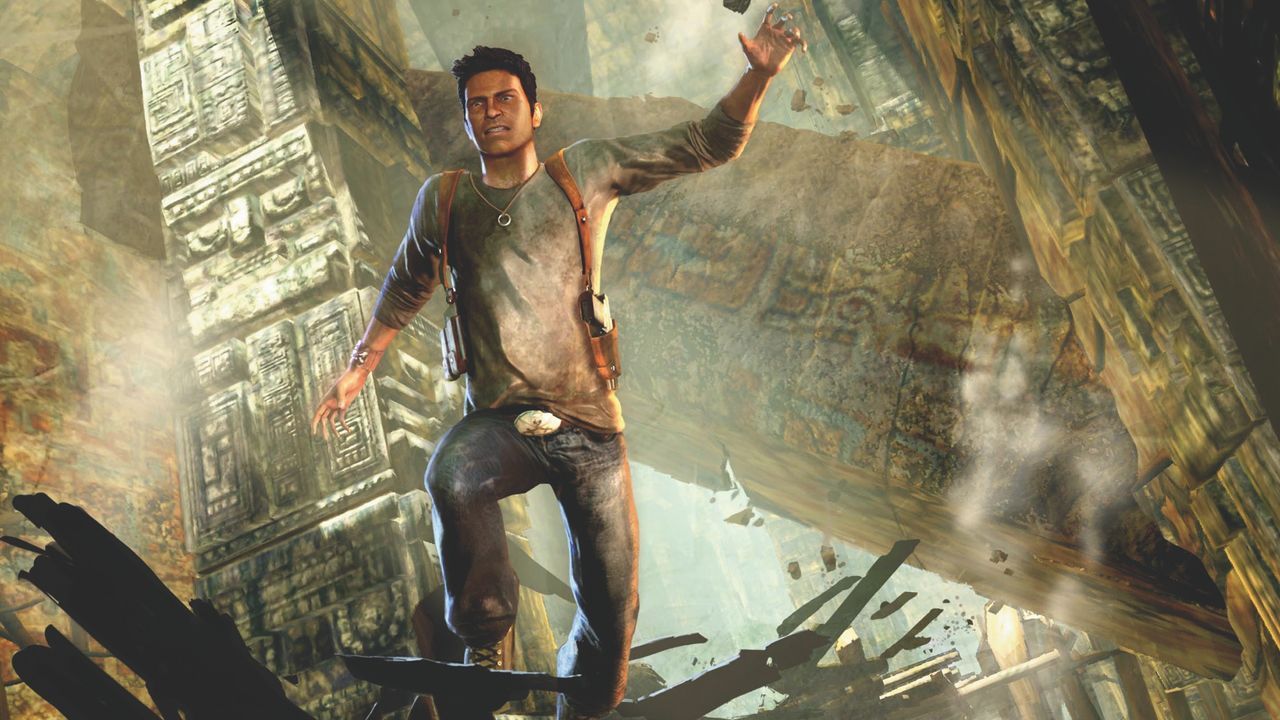
The Uncharted franchise stands as a cinematic legend, second only to The Last of Us in terms of Sony-developed titles from the PlayStation 3 onward. Yet, even amidst the spectacle of treasure hunting and cinematic action, the original game often takes a backseat to its subsequent entries. Despite its ambition, the original title grapples with a somewhat awkward combat experience that arguably dated it compared to the polished mastery of its sequels.
This perceived flaw led to an interesting design decision from the creators: ensuring the experience lasted. Uncharted and its contemporaries were designed to be long, immersive adventures, and designers wanted to ensure players felt they were engaging with a substantial experience, rather than simply rushing through it.
One of the key figures behind the design, Uncharted and The Last of Us, is designer Benson Russell. When discussing the game’s structure, Russell pointed to a fundamental concern about game length and player engagement. He famously noted that the original game felt like a five-hour experience, prompting a specific solution to prevent players from feeling cheated by the playtime.
To address this, Russell and the team implemented a dynamic difficulty system. The goal was simple: to slow down the player if they were mastering the combat too quickly, ensuring the experience was paced correctly. This system was not static; it was entirely time-based.
The mechanism worked by tracking the player’s performance. The developers would establish an average time for combat encounters. If a player managed to complete an encounter faster than this established average, the difficulty would automatically increase. This provided a gentle, real-time adjustment, forcing players to engage with the challenge at a more measured pace.
Initially implemented to find a good balance, this dynamic difficulty feature was designed to prevent players from rushing through the narrative and action. However, as development progressed, the approach evolved. While the dynamic difficulty was present across the original trilogy, it was refined significantly in the later games.
In Uncharted 2 and Uncharted 3, the dynamic system was tuned to match the individual player’s skill level, rather than simply slowing them down. This adjustment became a cornerstone of why those sequels are so celebrated; they offered a seamless, personalized challenge that felt rewarding rather than punitive.
Ultimately, the story of Uncharted’s difficulty scaling is a testament to how design choices can shape an experience. By evolving their approach, the developers managed to craft a dynamic system that enhances immersion, ensuring that players are constantly challenged without feeling rushed, cementing the enduring quality of the entire series.
Buy on Amazon
Credit