Turning games into Battle Royale for the top spot via Live Service
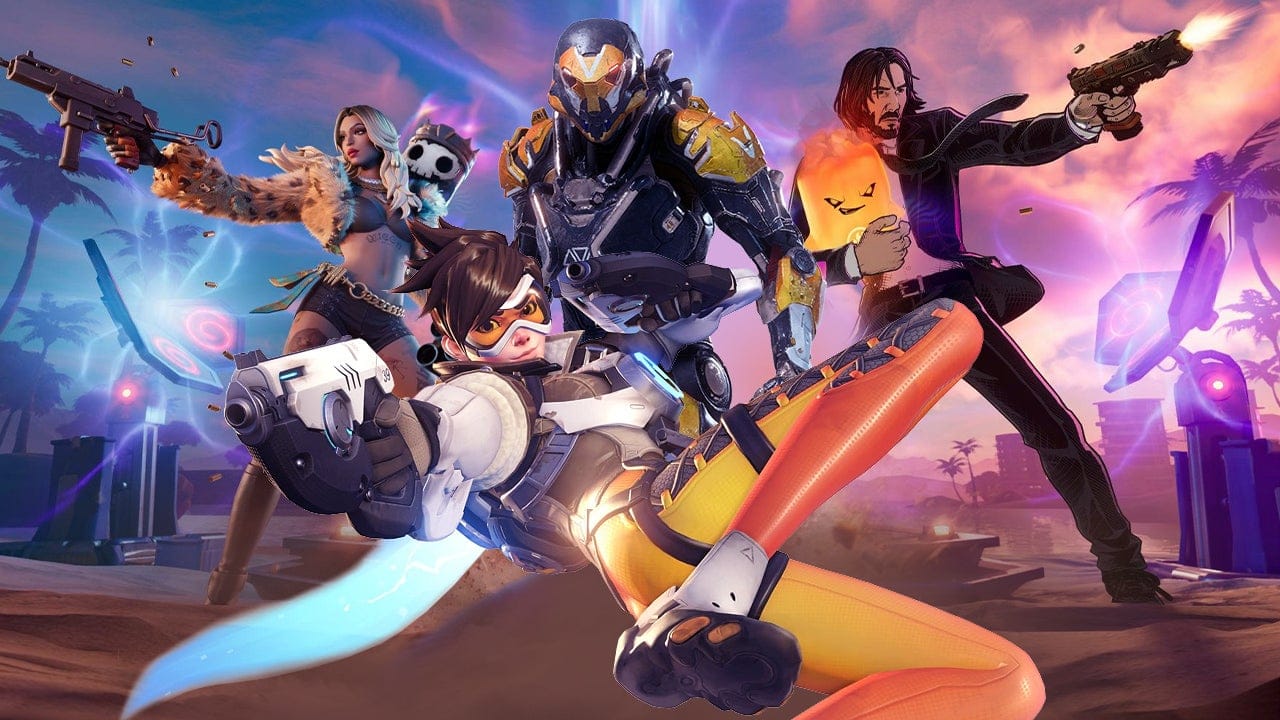
The journey of modern gaming is paved with survival. Before the sprawling arenas of Battle Royale and the endless grind of live-service titles, the roots of this competitive formula were planted much earlier, in the simple, strategic world of Minecraft Survival Games. This lineage traces back to the concept of players sprinting into a starting circle to hunt until only one remains—a concept inspired by the harrowing ordeal of Katniss Everdeen.
The concept, though nebulous in its exact origins, set the stage for a massive industry shift. This foundational idea was refined and ignited into a full-blown battle royale format a year later, thanks to the vision of Brendan Greene. Greene, inspired by cinematic themes, developed a last-player-standing multiplayer mode that eventually evolved into PlayerUnknown’s Battle Royale. This success quickly caught the attention of major studios, leading to the explosion of the genre.
The blueprint was quickly copied. Other developers and companies attempted to replicate the formula, but the market proved that simply mimicking the format wasn’t enough. The true revolution came when a struggling tower defense game, Fortnite, pivoted into the battle royale model. By making the experience free-to-play and building upon existing skills, Fortnite became a global phenomenon, rapidly ballooning from a niche game to a massive platform hosting hundreds of millions of players.
This pivot triggered an industry-wide frenzy. The battle royale market soared, projected to reach nearly $30 billion by 2035, driving an arms race where publishers desperately sought to replicate the formula. This cycle echoes earlier booms, such as the MOBA genre, demonstrating a recurring pattern: a novel concept sparks widespread imitation, followed by a competitive explosion.
However, the real tension lies in the live-service model itself. Is this format a curse, destined to drain creativity, or the essential engine for modern gaming? Veteran developers and analysts grapple with the implications of continuous monetization. The pursuit of perpetual profit, rather than pure artistic vision, has created a toxic environment where the focus shifts from creating compelling experiences to maximizing day-to-day revenue.
The pressure to monetize led to a concerning one-size-fits-all mentality. As game success became synonymous with profit margins, developers faced an internal conflict. The shift to live-service design, while providing revenue streams, often meant sacrificing the unique artistic depth that defined earlier titles. This friction is visible in the story of games like Anthem, which attempted to chase billion-dollar margins, and the subsequent struggles of studios attempting to compete with behemoths like Overwatch.
In the case of Overwatch, success was fueled by improvisation and a fluid development style. Yet, the live-service structure introduced a new dynamic: the need for constant updates and monetization. This created an environment where management often prioritized profit over the original creative vision, leading to internal clashes. The pursuit of perpetual profit, rather than pure entertainment, often becomes the defining challenge for the industry.
While the battle royale trend may be fading, the live-service model itself proves resilient. Revenue streams demonstrate that these games are not just fleeting trends; they are a powerful, enduring business. The core conflict remains: finding a way to align the creative pyramid—art, entertainment, and business—so that the pursuit of profit doesn’t completely invert the balance of innovation.
Buy on Amazon
Credit
