Turtle Beach drops a screen Xbox controller sequel
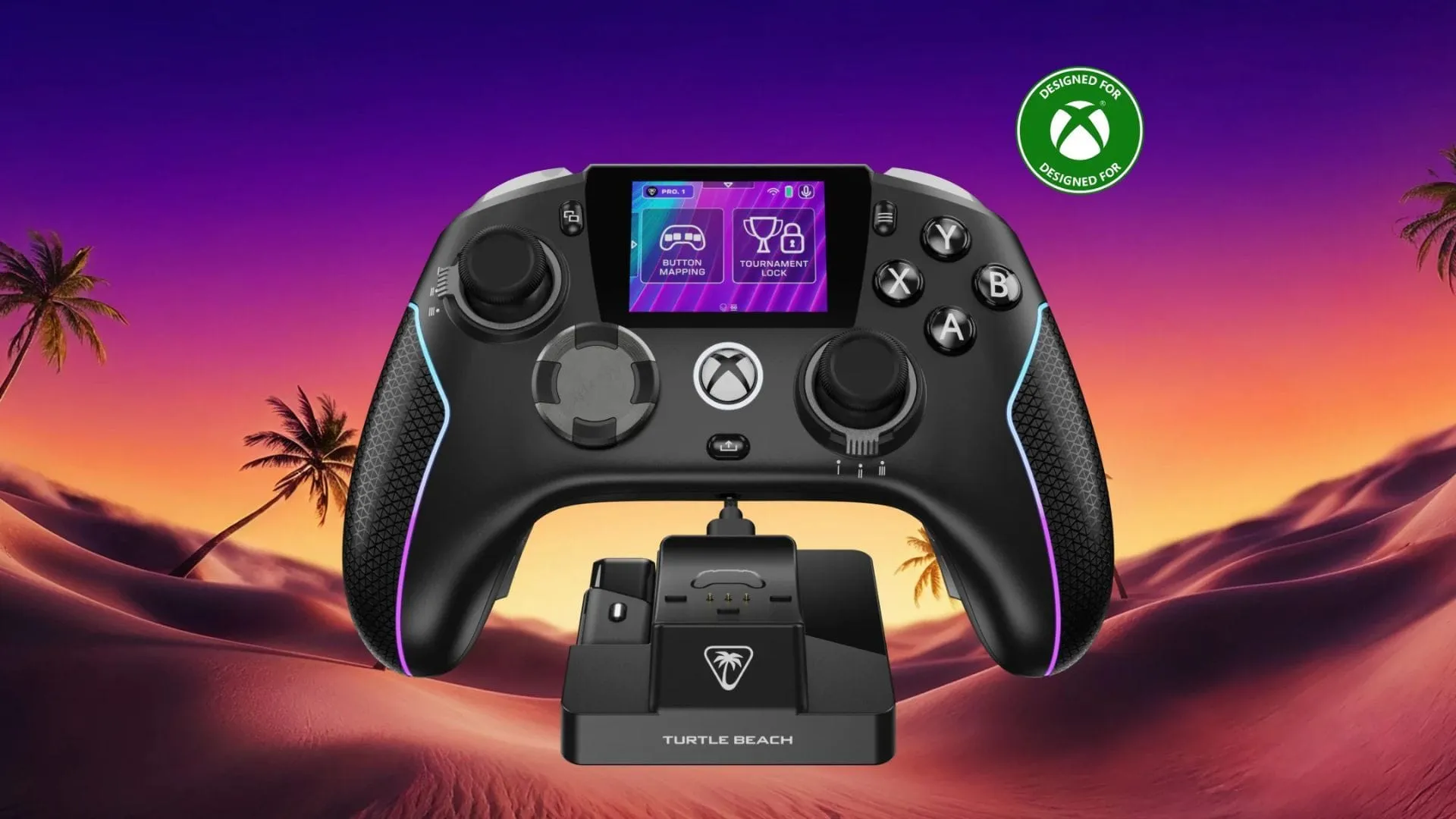
The Evolution of Control: How Turtle Beach Refined the Stealth Ultra
The world of gaming controllers is constantly evolving, pushing the boundaries of what players expect from input devices. Turtle Beach has once again entered the arena, not with a simple iteration, but with a meaningful upgrade to its popular Stealth Ultra line. This new iteration isn’t just a refresh; it represents a deliberate effort to blend established design with cutting-edge functionality, positioning the controller as a serious contender in the competitive landscape of high-performance gaming peripherals.
The original Stealth Ultra, launched in early 2024, was a pioneering effort to integrate screen and menu systems with wireless play for Xbox and PC. While it laid an interesting foundation, the market quickly saw other third-party contenders emerging with similar features. Recognizing this, Turtle Beach made a strategic move, acquiring rival brand PDP, signaling a commitment to innovation and collaboration that is now starting to manifest in their hardware.
The Stealth Ultra 2 is a tangible demonstration of this renewed focus. It addresses the perceived shortcomings of its predecessor through thoughtful, iterative design changes. The biggest shift lies in the ergonomics and customization options. The controller features larger screen real estate and, crucially, refined thumbsticks. These are now TMR, offering swappable gate shapes, allowing users to manually swap them out—a feature that echoes the customizable options found in other innovative gaming hardware.
Beyond the analog sticks, the physical design has been substantially overhauled. The flat D-pad has been replaced with a more sculpted design, and the grips have been reshaped to be both comfortable and streamlined. Furthermore, the layout of the back buttons has been swapped from a horizontal arrangement to a vertical one, seamlessly integrating them into the new, refined grip for enhanced comfort and usability.
While the overall physical footprint has been streamlined, the controller remains packed with useful features. It includes a charging stand and a carry case, adding practical utility to the package. The menu system itself has also seen significant refinement, offering deeper customization for button mapping, audio levels, connection settings, and even the configuration of the controller’s home widgets, giving users more control over their gaming interface.
Performance for competitive players is also a major highlight. When connected via wired PC, the Stealth Ultra 2 delivers an impressive 8,000Hz polling rate, placing it in direct competition with some of the top-tier PC controllers available today. Moreover, Turtle Beach offers flexible power management, with settings ranging from Full Power, Balanced, and Eco mode. The Eco setting, for instance, provides up to 34 hours of playtime while disabling vibration and RGB lighting, striking a balance between performance and endurance.
This evolution suggests that Turtle Beach is effectively navigating the crowded controller market by focusing on refined design and high-fidelity performance, all while maintaining a highly competitive price point. By balancing innovative customization, robust performance metrics, and thoughtful hardware design, the Stealth Ultra 2 aims to deliver a compelling package for gamers looking for serious control without breaking the bank.
Buy on Amazon
Credit